

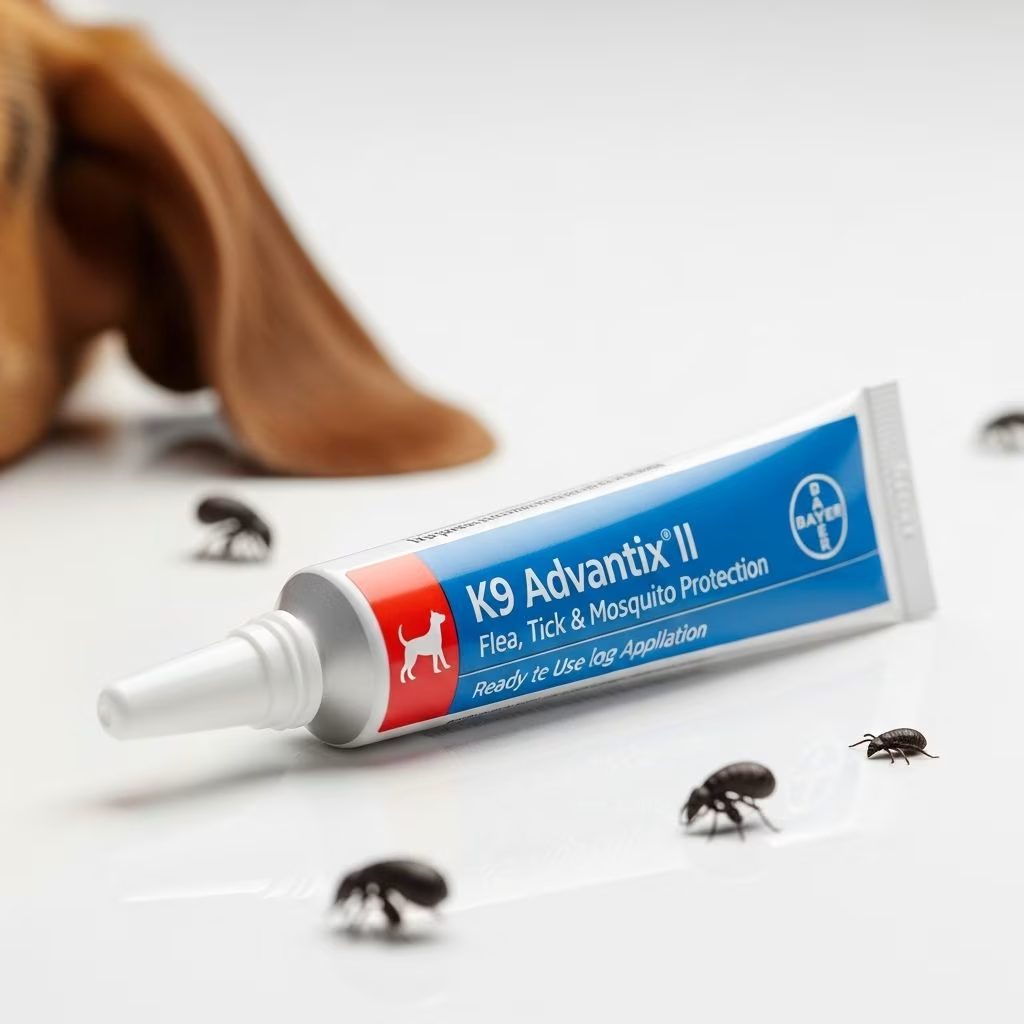
K9 Advantix II serves as a monthly topical treatment designed to repel and eliminate fleas, ticks, and mosquitoes in dogs. While this medication proves effective for many pet owners, understanding its potential adverse reactions and proper usage guidelines remains essential for maintaining your dog’s health and safety. This comprehensive guide examines the various side effects associated with K9 Advantix II, identifies which dogs face heightened risks, and provides guidance on appropriate responses when adverse reactions occur.
The Composition and Function of K9 Advantix II
K9 Advantix II contains three active ingredients: imidacloprid, permethrin, and pyriproxyfen. These components work synergistically to target parasites at different life stages while also functioning as a repellent to discourage feeding and biting behavior. The combination approach means the medication addresses multiple aspects of parasite management, reducing both direct infestation and disease transmission risks associated with flea and tick bites.
The permethrin component, a pyrethroid insecticide, represents a critical distinction for multi-pet households. This ingredient proves toxic to felines and cannot be safely metabolized by cats, making K9 Advantix II exclusively formulated for canine use. Pet owners with both dogs and cats must maintain strict separation protocols following application.
Common Mild Side Effects and Local Reactions
Most dogs tolerate K9 Advantix II well when applied according to label instructions. However, individual variations in medication sensitivity mean some dogs experience localized adverse effects at the application site.
Application Site Reactions
The most frequently reported side effects involve the area where the product contacts the skin. Pet owners frequently observe:
- Redness and inflammatory responses
- Itching and scratching behaviors
- Mild hair loss at the application point
- Skin discoloration or rash development
- Oily appearance of the coat
- General discomfort or sensitivity
These reactions typically represent temporary responses to the topical formulation and usually subside within a few days without intervention. The skin irritation may resolve more quickly if washed away; however, veterinary guidance recommends avoiding bathing or shampooing for the first 48 hours following application to ensure optimal absorption of the medication.
Sensation and Behavioral Indicators
Some dogs experience burning, tingling, or numbness sensations following treatment application. Pet owners may notice unusual behavioral patterns that signal these sensations, including:
- Excessive leg kicking or scratching movements
- Attempts to bite or lick paws and tail
- Restless positioning or inability to settle comfortably
- Mild lethargy or fatigue that resolves within several days
These behavioral changes typically represent the dog’s response to skin-level sensations rather than systemic toxicity and generally resolve without requiring veterinary intervention.
Serious Adverse Reactions and Emergency Indicators
While serious side effects from K9 Advantix II remain extremely rare when used at recommended dosages, recognizing potential signs of toxicity or allergic reactions enables rapid veterinary response. Pet owners should contact their veterinarian immediately or seek emergency care if their dog exhibits any of the following symptoms:
Gastrointestinal Disturbances
Vomiting and diarrhea represent among the most commonly reported serious side effects. These gastrointestinal symptoms may indicate either toxicity from improper dosing or an allergic response to the medication components. Excessive drooling can also occur, particularly if the dog licks the application area where the bitter-tasting formula intentionally discourages ingestion. However, excessive drooling beyond what occurs from licking behavior can signal overdosing or allergic reactions requiring immediate attention.
Neurological Concerns
Though uncommon, more serious neurological symptoms demand urgent veterinary evaluation. These may include:
- Seizures or convulsive episodes
- Trembling or muscle tremors
- Loss of coordination and incoordination
- Excessive excitability or hyperactivity
- Marked increases or decreases in body temperature regulation
The permethrin component in K9 Advantix II belongs to the pyrethroid class of insecticides, which can occasionally trigger neurological responses in sensitive dogs. Such symptoms indicate the need for immediate professional evaluation.
Systemic Toxicity Signs
Severe lethargy, pronounced behavioral changes, or signs of systemic illness warrant emergency veterinary care. These manifestations suggest possible overdosing, product misapplication, or severe allergic reactions requiring professional intervention.
Dogs at Elevated Risk for Adverse Reactions
Certain dog populations face increased vulnerability to K9 Advantix II side effects, requiring either alternative prevention strategies or enhanced monitoring protocols.
Age and Weight Considerations
K9 Advantix II should not be administered to puppies younger than seven weeks of age or dogs weighing less than four pounds. Growing dogs require careful weight monitoring, as fluctuations may affect appropriate dosage. Young puppies lack fully developed metabolic systems capable of processing the medication components safely.
Pre-existing Health Conditions
Dogs with compromised organ function face substantially increased risk profiles. Veterinary consultation becomes essential before applying K9 Advantix II to dogs with:
- Heart disease or cardiac conditions
- Liver disease or hepatic dysfunction
- Kidney disease or renal impairment
- Poor body condition or underweight status
- General frailty or advanced age
These conditions compromise the body’s ability to metabolize and eliminate the medication components efficiently, potentially leading to accumulation and toxicity.
Reproductive Status
Because K9 Advantix II functions as an insecticide, it should not be administered to pregnant or nursing dogs, nor should it be used in dogs currently in breeding programs. The active ingredients may affect developing fetuses or transfer through nursing milk to nursing puppies.
Concurrent Medication Interactions
Dogs already receiving other flea and tick control products require veterinary guidance before K9 Advantix II application. Combining different parasite prevention medications may create adverse interactions or result in overdosing of active ingredients, increasing toxicity risks.
Allergic Reactions and Individual Sensitivities
Just as humans experience individual medication sensitivities, dogs display varying tolerance levels to K9 Advantix II components. Some dogs may be allergic or hypersensitive to imidacloprid, permethrin, pyriproxyfen, or other formulation ingredients.
Dogs demonstrating known allergies to any K9 Advantix II components should never receive this medication. Similarly, dogs with histories of adverse reactions to other flea and tick treatments may face cross-reactivity risks with K9 Advantix II, warranting thorough discussion with veterinarians before use.
Allergic reactions may manifest as severe itching, hives, facial swelling, or respiratory distress—all requiring immediate veterinary emergency care.
Special Populations: Breeds and Sensitivities
While not breed-specific, certain dogs demonstrate heightened medication sensitivities. Particularly sensitive breeds may experience more pronounced side effects, even when used appropriately. Veterinarians familiar with specific breed predispositions can provide personalized guidance for dogs at higher risk.
Proper Application Techniques and Dosing
Many adverse reactions stem from improper application rather than the medication itself. Following correct administration guidelines substantially reduces the likelihood of side effects.
Optimal Application Practices
- Apply once monthly on the same date each month for consistent protection
- Part the fur and apply directly to skin, never on top of the coat
- Apply to an area the dog cannot easily lick, typically the back of the neck between shoulder blades
- Ensure complete skin contact by parting the hair thoroughly
- Keep the product away from eyes and mouth
- Avoid bathing for 48 hours before and after application
- Allow the application site to dry completely before petting or handling the dog
Dosing Accuracy
Administering two doses simultaneously or within two days of a previous application creates overdosing risks. Maintaining accurate treatment records and monitoring your dog’s weight ensures proper dosage selection, as growing dogs may require dose adjustments.
Managing Side Effects When They Occur
Mild Reactions and Home Management
Mild skin irritation, itching, and local reactions typically resolve independently within several days. If your dog experiences moderate discomfort, gentle bathing with a mild detergent shampoo can help remove residual product and accelerate symptom resolution. However, avoid bathing during the critical 48-hour absorption period immediately following application.
Persistent or Worsening Symptoms
If mild side effects persist beyond a few days or worsen over time, consult your veterinarian. Similarly, if your dog experiences repeated adverse reactions with each K9 Advantix II application, your veterinarian may recommend switching to alternative flea and tick prevention formulations or adjusting dosage protocols.
Emergency Response Protocols
For serious side effects including excessive drooling, vomiting, diarrhea, neurological symptoms, or any concerning behavioral changes, contact your veterinary clinic immediately. If standard office hours are unavailable, seek emergency veterinary hospital care. Additional resources include the ASPCA Animal Poison Control Center at 888-426-4435 or the Pet Poison Helpline at 855-764-7661.
Long-Term Safety Monitoring
Pet owners should monitor their dogs closely after each K9 Advantix II application, watching for any unexpected behavioral changes, physical symptoms, or signs of distress. Maintaining detailed records of any adverse reactions helps veterinarians identify patterns and adjust treatment protocols accordingly.
The cumulative effects of repeated monthly applications remain incompletely understood, with limited long-term studies examining effects from multi-year usage. This knowledge gap underscores the importance of regular veterinary check-ups and open communication about your dog’s response to this and other preventative medications.
Frequently Asked Questions
Can I use K9 Advantix II on my cat?
No. The permethrin component is toxic to cats and can cause severe illness or death. Cats must be kept away from treated dogs for up to 24 hours following application.
How long do K9 Advantix II side effects typically last?
Mild side effects usually resolve within a few days without intervention. Serious symptoms require immediate veterinary attention and may take longer to resolve depending on the reaction’s severity.
What should I do if I accidentally overdose my dog?
Contact your veterinarian or emergency animal hospital immediately. Call the ASPCA Animal Poison Control Center at 888-426-4435 or Pet Poison Helpline at 855-764-7661 for guidance.
Can I use K9 Advantix II with other flea and tick medications?
No. Combining multiple flea and tick products increases overdosing and toxicity risks. Consult your veterinarian before switching products or using combinations.
My dog has a history of seizures. Is K9 Advantix II safe?
Dogs with seizure histories require veterinary evaluation before using any flea and tick medication, as some components may trigger seizure activity in susceptible individuals.
How often should I weigh my dog to ensure correct dosing?
Growing dogs should be weighed before each application, particularly if significant weight changes have occurred. Adult dogs maintain relatively stable weights but should be monitored regularly.
References
- K9 Advantix II (Imidacloprid/Permethrin/Pyriproxyfen Topical) for Dogs — WebMD Pets. 2024. https://www.webmd.com/pets/pet-meds/k9-advantix-dogs
- Flea and Tick Medicine Poisoning in Dogs — PetMD. 2024. https://www.petmd.com/dog/poisons/flea-and-tick-medicine-poisoning-in-dogs
- K9 Advantix II Side Effects — EntirelyPets. 2024. https://www.entirelypets.com/k9-advantix-ii-side-effects.html
- K9 Advantix FAQs – Everything You Need To Know — PetCareRx. 2024. https://www.petcarerx.com/article/k9-advantix-faqs-everything-you-need-to-know/1313
- The Side Effects and Dangers of Traditional Flea and Tick Preventatives in Dogs — A Doberman’s World. 2024. https://www.adobermansworld.com/doberman-blog/the-side-effects-and-dangers-of-traditional-flea-and-tick-preventatives-in-dogs
- K9 Advantix® II for Dogs — VCA Animal Hospitals. 2024. https://vcahospitals.com/shop/product/k9-advantix-ii



