

Understanding Juvenile Cellulitis (Puppy Strangles)
Juvenile cellulitis, commonly referred to as puppy strangles or juvenile sterile granulomatous dermatitis and lymphadenitis, is an uncommon but significant immune-mediated skin condition that affects puppies during their early developmental stages. This condition represents an unusual response of the immune system that causes inflammation and pustular lesions primarily affecting the face, muzzle, ears, and surrounding areas. Unlike bacterial skin infections, juvenile cellulitis is characterized by the absence of infectious agents, making it a purely immune-driven disease that requires specialized treatment approaches. Understanding this condition is essential for puppy owners and breeders, as early recognition and prompt treatment can prevent complications and ensure a full recovery.
What Is Juvenile Cellulitis?
Juvenile cellulitis is a rare and fulminant granulomatous and pustular disease that typically manifests in puppies between three weeks and six months of age, though most cases occur between three weeks and four months of age. The condition is characterized by sterile granulomatous dermatitis and lymphadenitis, meaning the inflammatory lesions develop without the presence of infectious organisms. This distinction is crucial because it directly influences treatment decisions and prognosis.
The exact cause of juvenile cellulitis remains unknown, but the dramatic response to immunosuppressive therapy provides strong evidence that immune dysfunction is central to the disease mechanism. Some breeds appear to have higher predisposition to this condition, including Dachshunds, Golden Retrievers, Labrador Retrievers, Gordon Setters, Pointers, Beagles, and Cavalier King Charles Spaniels, though the disease can occur in any breed, including mixed breeds.
Clinical Signs and Symptoms
The onset of juvenile cellulitis is sudden and rapid in progression. Recognizing the early signs is critical for prompt veterinary intervention and better outcomes.
Initial Presentation
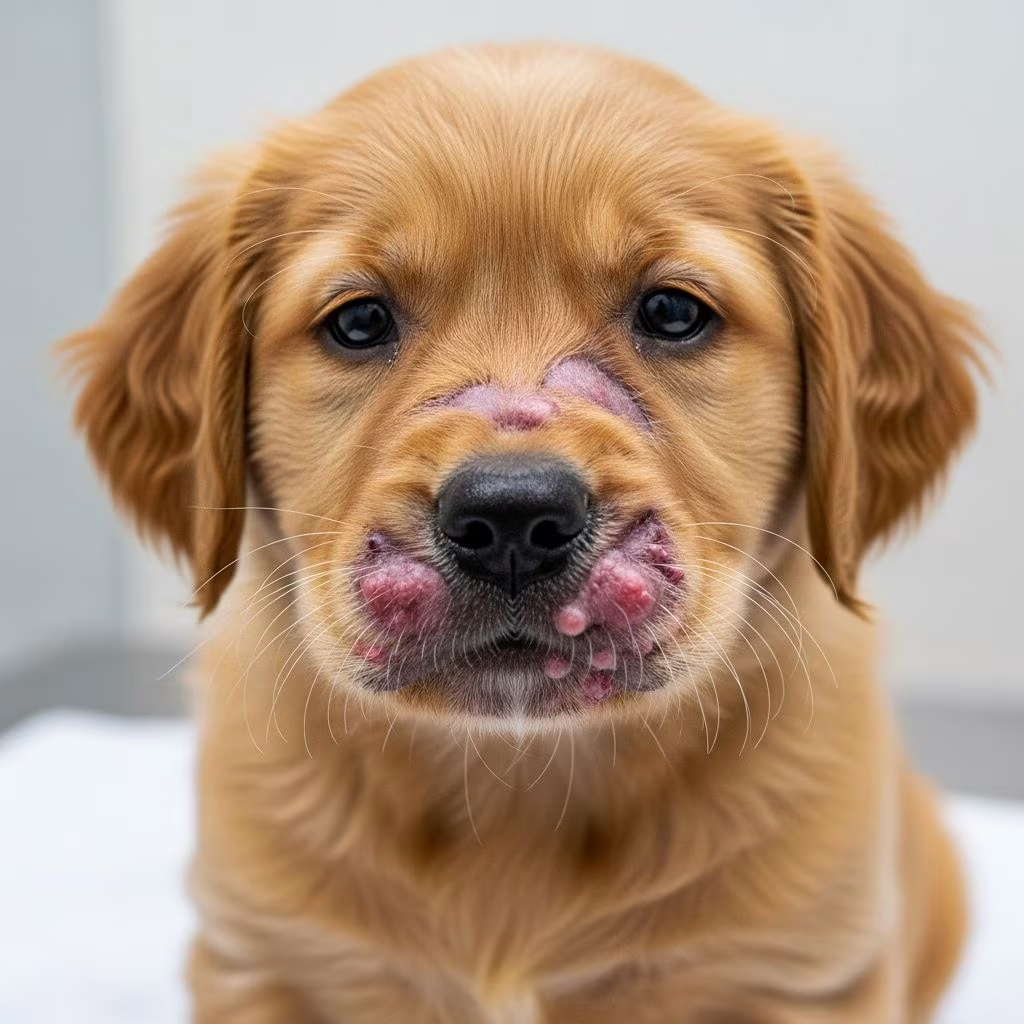
The first and most characteristic sign of juvenile cellulitis is an acute swelling of the face and muzzle. This generalized swelling typically affects the lips, eyelids, and muzzle region most prominently. The condition can sometimes resemble mumps in dogs during its early stages, leading to potential misdiagnosis if veterinarians are not vigilant. Affected puppies may present with lethargy and inappetence in the early stages.
Progressive Lesion Development
Within 48 hours of initial swelling, the condition progresses significantly. Raised bumps and pustules develop over the face, muzzle, and ears. The affected skin becomes increasingly inflamed, and pustules may rupture and crust over, resulting in heavy scabbing across affected areas. This exudative phase produces extensive drainage and creates an appearance that can be quite alarming to pet owners.
Characteristic Features
One of the most distinctive features of puppy strangles is marked submandibular lymphadenopathy—significant enlargement of the lymph nodes under the jaw. This swelling is so pronounced that it actually gives rise to the common name “puppy strangles,” as the enlarged lymph nodes can appear to be choking or strangling the puppy. Additional clinical features include:
– Otitis externa (ear infections) with visible discharge- Lesions that typically form fistulae that drain purulent material- Involvement of the pinnae (ears) with hair loss- Occasional lesions on the prepuce and anus- Generally oedematous (swollen) affected areas- Painful lesions, though they are not typically pruritic (non-itchy)
In severe cases, particularly when lesions develop around the eyes, permanent cosmetic scarring may develop. While this scarring is aesthetic in nature and does not affect the dog’s quality of life or function, it can be a concern for owners, especially in show dogs.
Diagnosis of Juvenile Cellulitis
Diagnosis of juvenile cellulitis combines clinical presentation with diagnostic testing. While the characteristic clinical signs and rapid response to treatment can suggest the diagnosis, definitive confirmation typically requires specific diagnostic procedures.
Diagnostic Methods
Cytology of Exudate: Examination of material collected from pustules and draining lesions reveals a purulent to pyogranulomatous inflammatory response. Importantly, bacterial culture of this material is typically sterile, unless secondary bacterial infection has developed. This sterile culture result is a key diagnostic indicator that distinguishes juvenile cellulitis from primary bacterial infections.
Cytology of Lymph Node Aspirate: Material collected from enlarged submandibular lymph nodes shows similar findings to exudate cytology but importantly demonstrates no infectious agents, further supporting the diagnosis of an immune-mediated rather than infectious condition.
Histopathological Examination: Skin biopsy is considered the gold standard for definitive diagnosis. Histopathology demonstrates pyogranulomatous dermatitis and panniculitis in the absence of infectious agents. While skin biopsies can provide definitive diagnosis, the specific clinical signs combined with response to medical treatment often allow for positive diagnosis without biopsy in many cases.
Deep Skin Scrapings and Bacterial Culture: These tests help rule out other conditions such as demodicosis (mange mites) and deep bacterial skin infections that could present with similar lesions.
Treatment of Juvenile Cellulitis
Since juvenile cellulitis is an immune-mediated disease rather than an infectious condition, treatment focuses on suppressing the overactive immune response to stop the autoimmune reaction. The approach differs significantly from treating bacterial skin infections.
Immunosuppressive Therapy
Glucocorticoids as Primary Treatment: Glucocorticoids are the cornerstone of therapy for juvenile cellulitis. Prednisone is the drug used most frequently and is typically administered at immunosuppressive doses. The standard dosing protocol involves:
– Initial dose: 2 mg/kg once daily until resolution of lesions (typically 2-4 weeks)- Continuation: The same dose is then given on an alternate day schedule for a few weeks- Tapering: Gradual reduction over several additional weeks to minimize relapse risk
Treatment duration and tapering must be done carefully, as stopping corticosteroids too soon significantly increases the risk of disease relapse. Most cases respond well to prednisolone, though occasional cases may respond better to oral dexamethasone at a dose of 0.2 mg/kg once daily.
Alternative Immunosuppressive Agents: In cases where corticosteroids alone are inadequate or when owners wish to minimize steroid exposure, other immunosuppressive medications may be considered. Cyclosporine (5-10 mg/kg daily) may be beneficial, particularly when used in combination with prednisolone to help minimize the adverse effects of corticosteroid administration. This combination therapy approach is also effective in patients who show inadequate response to sole corticosteroid therapy.
Antibiotic Therapy
Although a primary bacterial infection does not cause juvenile cellulitis, secondary bacterial infections often develop in the open skin lesions created by rupturing pustules and drainage fistulae. Treating these secondary infections with appropriate antibiotics relieves some of the inflammation associated with the condition and improves the puppy’s comfort while better controlling the immune-mediated response. Commonly used antibiotics include:
– Cephalexin- Clavulanate potentiated amoxicillin
These antibiotics are typically administered orally as part of the comprehensive treatment plan.
Supportive and Topical Care
Beyond systemic medications, supportive care plays an important role in managing the affected puppy’s comfort and preventing complications:
– Medicated shampoos to help manage secondary infections and support skin health- Topical ointments and sprays to promote healing and prevent infection- Application of hot packs to affected areas to ease discomfort- Regular rechecks to track progress and determine if treatment modifications are needed
It is important to avoid popping or squeezing any pustules, as this can be painful to the puppy and creates easier pathways for bacterial infection to develop.
Side Effects of Prednisone
Pet owners should be aware that prednisone therapy, while necessary, comes with potential side effects that typically resolve after treatment concludes. Common side effects include:
– Increased thirst and urination- Increased appetite- Behavioral changes- Potential for gastrointestinal upset
These side effects are generally manageable and temporary, resolving once the medication is discontinued and the dose is appropriately tapered.
Prognosis and Recovery
The prognosis for juvenile cellulitis is generally excellent when prompt diagnosis and appropriate treatment are provided. Most cases of juvenile cellulitis fully resolve with proper medical management.
Recovery Timeline
In most cases, puppies begin showing improvement within a few days of starting treatment, though it may take 10 to 14 days for the condition to fully resolve. The average treatment duration typically spans several weeks, with the entire treatment course including tapering lasting 4-8 weeks depending on the individual case and response to therapy.
Long-Term Outcomes
Typically, one course of steroids is adequate to resolve the condition completely. If the condition recurs as steroids are being tapered, long-term therapy may be required, but this scenario is rare. Once treated, juvenile cellulitis usually does not flare up again, and there are no long-term health complications associated with the condition.
Some hair loss or skin scarring might be permanent in severe cases, particularly when lesions were extensive or around sensitive areas like the eyes. However, this scarring is purely cosmetic and does not affect the dog’s quality of life, health, or function.
Prevention
Unfortunately, there is no known way to prevent puppy strangles at this time. Since the exact cause remains unknown and the condition appears to involve underlying immune dysfunction, prevention strategies have not been developed. Maintaining good nutrition, general health, and hygiene can support overall immune function but cannot specifically prevent juvenile cellulitis.
When to Contact Your Veterinarian
Pet owners should seek immediate veterinary attention if their puppy shows any of the following signs:
– Sudden swelling of the face, muzzle, lips, or eyelids- Development of pustules or crusted lesions on the face or ears- Enlarged lymph nodes under the jaw- Pustules with discharge or drainage- Signs of ear infection with discharge- Lethargy or loss of appetite- Signs of pain or discomfort in the facial region
Early veterinary evaluation is crucial, as prompt treatment leads to better outcomes and faster resolution of clinical signs.
Frequently Asked Questions
Q: At what age does puppy strangles typically occur?
A: Juvenile cellulitis most commonly affects puppies between three weeks and six months of age, with the majority of cases occurring between three weeks and four months. While rare, older puppies and adult dogs can develop the condition.
Q: Is puppy strangles contagious?
A: No, juvenile cellulitis is not contagious. It is an immune-mediated disease, not an infectious condition. However, it may affect one or several puppies in the same litter, suggesting possible genetic predisposition factors.
Q: Can juvenile cellulitis be fatal?
A: While rare, untreated or severely progressing juvenile cellulitis could potentially become life-threatening if secondary infections spread or if the puppy becomes so painful that it stops eating. With prompt treatment, complications are uncommon and the condition resolves well.
Q: How long does treatment typically last?
A: The initial intensive treatment phase usually lasts 2-4 weeks. The entire treatment course including alternating-day dosing and gradual tapering typically spans 6-8 weeks total. Most puppies show significant improvement within days of starting treatment.
Q: Will my puppy have permanent scarring?
A: In severe cases with extensive lesions, some permanent cosmetic scarring may develop, particularly around the eyes. However, this scarring is purely aesthetic and does not affect the puppy’s quality of life or function.
Q: Can juvenile cellulitis recur?
A: Recurrence is rare when appropriate treatment is completed. Most puppies recover fully after one course of treatment and the condition typically does not flare up again.
Q: Are certain breeds more susceptible to puppy strangles?
A: While Dachshunds, Golden Retrievers, Labrador Retrievers, Gordon Setters, Pointers, Beagles, and Cavalier King Charles Spaniels appear predisposed, the disease can occur in any breed, including mixed breeds.
Q: What should I do if pustules rupture?
A: Avoid squeezing or popping pustules, as this is painful for the puppy and increases infection risk. Allow lesions to heal naturally while following your veterinarian’s prescribed treatment regimen.
References
- Canine Juvenile Cellulitis (Juvenile Pyoderma, Puppy Strangles) — Veterinary Practice. 2023. https://www.veterinary-practice.com/article/canine-juvenile-cellulitis-juvenile-pyoderma-puppy-strangles
- Juvenile Cellulitis (Puppy Strangles) — VCA Animal Hospitals. 2024. https://vcahospitals.com/know-your-pet/juvenile-cellulitis-puppy-strangles
- Juvenile Cellulitis (Juvenile Sterile Granulomatous Dermatitis and Lymphadenitis) — National Center for Biotechnology Information (NIH). 2022. https://pmc.ncbi.nlm.nih.gov/articles/PMC8842239/
- Understanding Puppy Strangles: What Every Pet Owner Needs to Know — MSPCA Angell. 2023. https://www.mspca.org/angell_services/understanding-puppy-strangles-what-every-pet-owner-needs-to-know/
- Puppy Strangles: Causes, Symptoms, and Treatment — American Kennel Club. 2024. https://www.akc.org/expert-advice/health/puppy-strangles/
- Puppy Strangles in Dogs — PetMD. 2024. https://www.petmd.com/dog/conditions/skin/c_dg_puppy_strangles



