

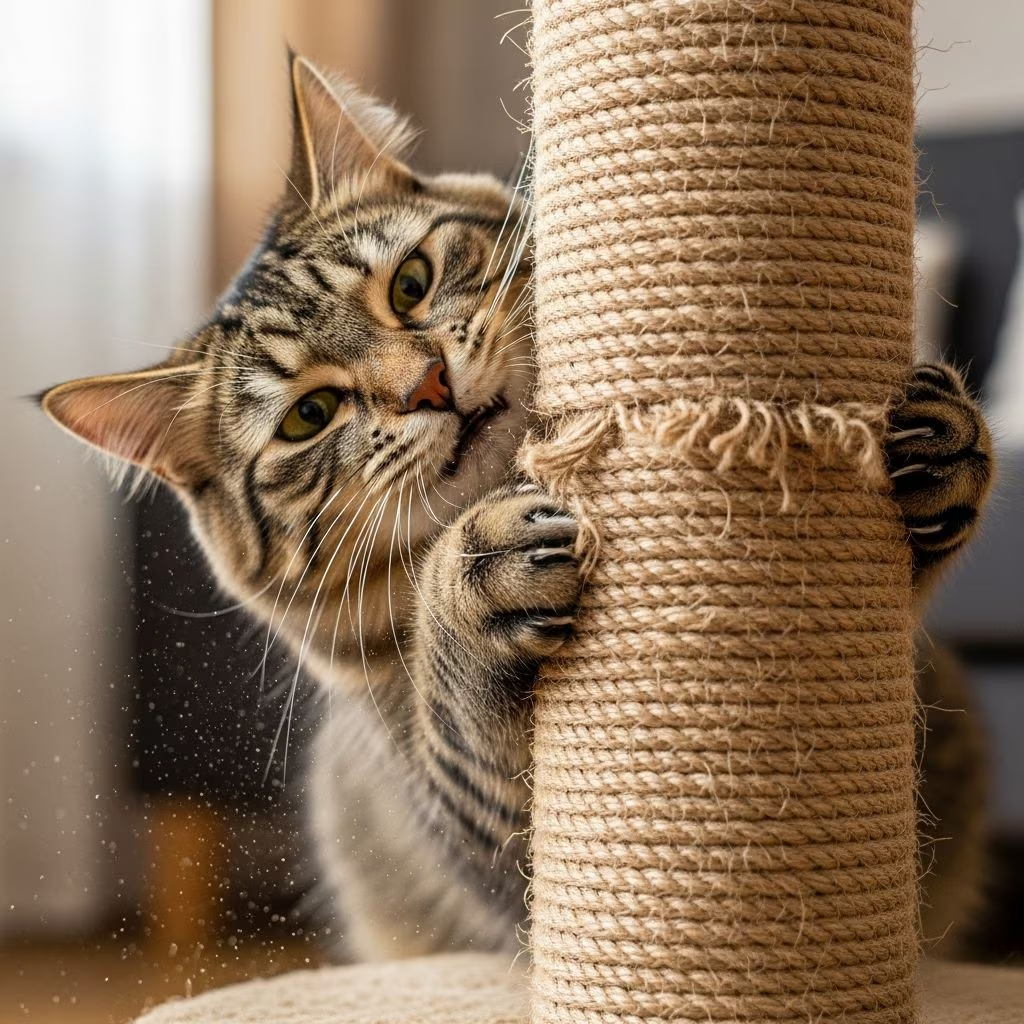
Are Jute Rope Scratching Posts Safe for Cats?
If you’re a cat owner considering a jute rope scratching post for your feline companion, you can rest assured that jute is perfectly safe for cats. Cats naturally enjoy scratching posts as part of their normal behavior, and selecting the right material is essential for both your cat’s satisfaction and your home’s protection. Jute rope offers a durable and biodegradable option that stands up well to regular scratching and climbing. However, while jute is safe, it isn’t the most commonly used material in the scratching post market, as sisal tends to dominate the industry due to its exceptional durability and widespread availability.
What Is Jute and Why Is It Used for Scratching Posts?
Jute is a natural textile fiber derived from the jute plant, which grows over 10 feet tall and is cultivated primarily in East Asia and Africa. The fiber is harvested in one continuous string, making jute the longest natural textile fiber worldwide. This unique characteristic gives jute several advantages for cat scratching posts. The fabric derived from the jute plant has a relatively rough texture, which makes it ideal for satisfying cats’ natural scratching instincts.
When spun into rope form, jute becomes particularly effective for scratching posts because of its inherent durability and biodegradable properties. Well-made jute rope doesn’t shed as much as other fabrics, providing a longer-lasting scratching surface that can withstand consistent use. Additionally, jute is completely natural and free from harmful chemicals and dyes when sourced properly, making it a safe choice for cats that may chew or interact intensely with their scratching posts.
Understanding Your Cat’s Scratching Behavior
Before selecting a scratching post material, it’s important to understand why cats scratch in the first place. Cats scratch for several important reasons that are integral to their physical and emotional wellbeing:
- Claw Maintenance: Scratching helps cats shed the outer sheath of their claws, keeping them sharp and healthy
- Territory Marking: Cats have scent glands in their paws, and scratching leaves behind their scent to claim an area as their own
- Stress Relief: Scratching provides an outlet for tension and helps cats feel more secure in their environment
- Muscle Stretching: The scratching motion helps cats stretch their back, shoulder, and leg muscles
- Exercise: Scratching posts provide physical activity that keeps cats active and engaged
By providing designated scratching posts with appropriate materials, you redirect your cat’s natural instincts away from your furniture, rugs, and curtains.
Jute vs. Other Popular Scratching Post Materials
The market offers several material options for scratching posts, each with distinct advantages and disadvantages. Understanding how jute compares to alternatives helps you make an informed decision for your cat.
Sisal: The Industry Standard
Sisal is the most common and recommended fiber for scratching posts, available in both rope and woven fabric forms. Cultivated from the leaves of the agave plant indigenous to southern Mexico, most commercial sisal now comes from East Africa. Sisal is heavy-duty and can withstand significant scratching, making it extremely durable. However, sisal does have some drawbacks when used as rope.
When sisal rope is wrapped around a post, it creates grooves that make the surface bumpy. As your cat scratches sisal rope, many fibers begin to stick out, which can become sharp and potentially uncomfortable for your cat. This can create a negative association with the scratching post, causing your cat to seek out inappropriate areas to scratch instead. In contrast, sisal fabric turns into soft fibers as cats scratch it, providing a smoother experience without the sharp bits.
Carpet: Common but Problematic
Carpet is a frequently used material for scratching posts, though its effectiveness depends on the specific type of carpet used. The main issue with carpet is that all carpet eventually wears out, requiring replacement. More importantly, if your scratching post is covered with carpet similar to the carpets and rugs in your home, your cat may become confused and begin scratching your furniture as well. Additionally, carpet won’t provide cats with the most satisfying scratch, and their claws can easily get stuck in the loops, creating frustration.
Hemp: An Emerging Alternative
Hemp rope is gaining popularity as an alternative to sisal rope, offering superior durability and sustainability. Hemp rope is non-toxic and safe for pets, free from harmful dyes and chemicals that may pose health risks. Hemp is more durable than sisal, meaning scratching posts and toys can withstand extended use with minimal need for replacement. Additionally, hemp is UV resistant, making it a better choice for outdoor cat furniture. Hemp represents an eco-friendly option that aligns with sustainable pet ownership practices.
Comparing Scratching Post Materials
| Material | Durability | Cat Preference | Safety | Cost |
|---|---|---|---|---|
| Jute Rope | Good | Very High | Safe | Moderate |
| Sisal Rope | Excellent | Moderate | Good (can be sharp) | Moderate |
| Sisal Fabric | Excellent | Very High | Safe | Moderate |
| Hemp Rope | Excellent | High | Very Safe | Moderate to High |
| Carpet | Fair | Low to Moderate | Safe | Low |
Sisal Rope vs. Sisal Fabric: What’s the Difference?
For cat owners deciding between rope and fabric options, understanding the differences is crucial. Most cats seem to prefer woven sisal fabric over sisal rope. Sisal rope, when wrapped around a post, creates a bumpy surface with grooves that doesn’t provide the smoothest scratching experience. Cats prefer the smooth yet rough surface of sisal fabric, which allows them to catch the surface with their claws and scratch effectively without obstruction.
A significant advantage of sisal fabric is that as your cat scratches, it turns into soft fibers without developing sharp edges. While fabric will still fray over time, it won’t have those potentially uncomfortable sharp bits that rope develops. This distinction is important for maintaining your cat’s positive association with the scratching post.
The best approach is to pick sisal fabric over rope, though individual cats have different preferences. If you start with a rope scratching post and your cat doesn’t use it frequently, consider trying one with sisal fabric instead, and vice versa. Providing multiple scratching posts with different materials and orientations helps you determine your cat’s specific preferences.
Safety Considerations for Jute Rope Scratching Posts
When selecting a jute rope scratching post, safety should be your primary concern. Here are key factors to consider:
- Natural Materials: Choose jute that is untreated, natural, and free from harmful chemicals, dyes, and toxins
- Proper Construction: Ensure the rope is tightly and securely fastened to prevent your cat from accidentally ingesting frayed pieces, which could lead to internal blockages
- Regular Inspection: Frequently check for signs of wear and tear, repairing or replacing the post when damage becomes evident
- Supervision: Monitor how your cat interacts with new toys and scratching posts to ensure safe play
- Stability: The post must be stable enough that it doesn’t wobble or fall over, as wobbly posts discourage use
- Weight and Base: Look for posts with a sturdy, wide, and heavy bottom to ensure stability during vigorous scratching
Special Considerations for Cats with Pica
Certain cats suffer from feline pica, a condition in which they eat non-edible items such as fabrics, plastic, or paper. For cats with this condition, rope toys and scratching posts may not be a safe choice, as they pose a risk of ingestion and potential internal blockages. If your cat displays pica behavior, consult your veterinarian about appropriate scratching post materials and monitor their behavior closely around rope-based products.
Choosing the Right Scratching Post for Your Home
Beyond material selection, several factors influence whether your cat will actually use the scratching post you provide:
- Material Similarity: Avoid getting a post covered in material similar to your furniture or rugs, or your cat will scratch everything
- Stability: The post should have a sturdy, wide, and heavy bottom to prevent wobbling
- Height and Orientation: Some cats prefer vertical scratching, while others prefer horizontal surfaces. Offering multiple scratching posts in different orientations helps satisfy various preferences
- Location: Place scratching posts in areas where your cat spends time, making them convenient and encouraging regular use
- Multiple Options: Having several scratching posts with different materials and orientations helps you identify your cat’s specific preferences and reduces furniture damage
The Bottom Line on Jute Rope Scratching Posts
Jute is perfectly safe for cats to scratch, and many cats genuinely enjoy the texture and feel of jute rope. The main challenge is finding jute scratching posts, as sisal tends to dominate the market. If you do find a jute post or decide to make one yourself, you can feel confident allowing your cat to use it without health concerns. Jute’s natural, biodegradable properties combined with its durability make it a viable alternative to sisal.
However, remember one critical rule: avoid getting a post covered in a material too similar to your furniture or rugs, as your cat will likely begin scratching those items as well. Whether you choose jute, sisal, hemp, or another material, the key is selecting something your individual cat enjoys that will redirect their scratching instincts away from your home’s furnishings.
Frequently Asked Questions (FAQs)
Q: Is jute rope completely safe for cats to chew on?
A: Yes, natural jute rope is safe for cats to chew on when it’s untreated and free from harmful chemicals and dyes. However, monitor your cat’s interaction with the post and ensure the rope is securely fastened to prevent ingestion of frayed pieces.
Q: Why do cats prefer some scratching post materials over others?
A: Cats prefer textures that closely mimic natural tree bark and allow their claws to catch and dig effectively. The texture, surface smoothness, and ability to maintain sharp edges all influence cat preferences. Providing different materials helps identify what your specific cat enjoys most.
Q: Is sisal fabric really better than sisal rope?
A: Most cats do prefer sisal fabric over rope. Fabric provides a smoother scratching surface without sharp edges that develop on rope, and it frays into soft fibers rather than sharp bits. This makes fabric a more pleasant experience for most cats.
Q: What should I do if my cat doesn’t use the jute scratching post?
A: Cats have individual preferences for scratching post materials and orientations. If your cat doesn’t use a jute post, try offering alternatives such as sisal fabric, hemp rope, or different post orientations (vertical vs. horizontal). Multiple scratching options increase the likelihood of finding what your cat prefers.
Q: Can I make a DIY jute rope scratching post?
A: Yes, you can create DIY jute rope scratching posts by wrapping natural, untreated jute rope securely around a sturdy post or frame. Ensure the rope is tightly fastened and the structure is stable enough to support your cat’s weight and scratching force without wobbling.
Q: Is hemp rope a better alternative than jute?
A: Hemp rope offers superior durability and longevity compared to both jute and sisal, making it an excellent sustainable option. Hemp is UV resistant, making it ideal for outdoor cat furniture, and it’s completely non-toxic and chemical-free. Both materials are safe; hemp simply lasts longer.
Q: How often should I inspect my cat’s scratching post?
A: You should regularly inspect the scratching post for signs of damage, wear, and fraying. Check the rope for loose fibers and ensure all fasteners remain tight and secure to prevent your cat from ingesting loose pieces that could cause intestinal blockages.
Q: What makes a scratching post stable enough for cats?
A: A good scratching post should have a sturdy, wide, and heavy bottom that prevents wobbling during use. A wobbling post discourages use, so prioritize stability over height. The base must support your cat’s full weight as they lean into the post while scratching.
References
- Are Jute Rope Scratching Posts Safe for Cats? — Catster. 2024. https://www.catster.com/cat-health-care/are-jute-rope-scratching-posts-safe-for-cats/
- Natural Cat Scratching Rope for Post, Towel and Tree — Hemptique. 2024. https://hemptique.com/pages/cat-scratching-rope
- Hey, Jute! All about the Safe, Sturdy Fiber Claws Love — VETRESKA. 2024. https://vetreskanyc.com/blogs/news/hey-jute-all-about-the-safe-sturdy-fiber-claws-love



