

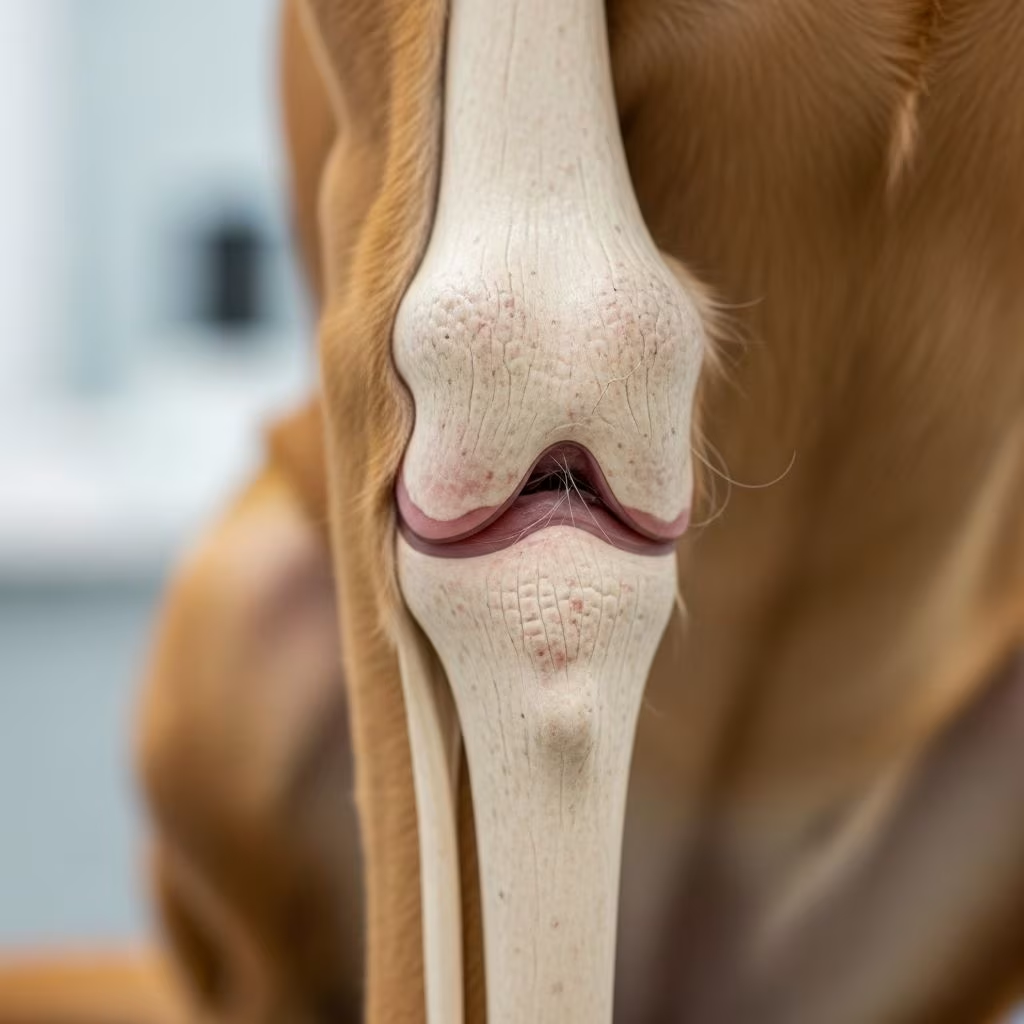
Joint problems affect countless dogs, leading to discomfort that impacts their daily joy and mobility. Recognizing these issues early allows pet owners to intervene effectively, improving their dog’s quality of life through targeted care and management.
Understanding Canine Joint Anatomy
Dogs rely on robust joints for running, jumping, and playing. These structures include bones cushioned by cartilage, lubricated by synovial fluid, and stabilized by ligaments and tendons. Over time or due to injury, this system can falter, causing pain and reduced function.
Larger breeds face higher risks because their size amplifies stress on weight-bearing joints like hips, elbows, and knees. Maintaining ideal body weight is crucial to lessen this burden.
Common Indicators of Joint Discomfort
Dogs can’t verbalize pain, so owners must watch for behavioral and physical changes. Key signs include:
- Limping or stiffness, especially after rest or in mornings.
- Lethargy, with reduced interest in walks or play.
- Loss of appetite, as pain diminishes hunger[10].
- Irritability or depression, showing as growling or withdrawal.
- Frequent slipping on smooth surfaces due to weak grip.
- Excessive licking or chewing at affected areas.
These symptoms often worsen with activity or cold weather. Prompt veterinary evaluation prevents progression.
Primary Causes of Joint Problems
Joint issues stem from various sources, broadly categorized into degenerative, developmental, infectious, and traumatic types.
Degenerative Conditions
The most prevalent are degenerative issues, where cartilage erodes from repeated use. Cruciate ligament tears top the list, common in active or overweight dogs. Osteoarthritis follows, with joint tissues breaking down over years, causing inflammation and pain. Larger breeds like Labs and German Shepherds are prone due to joint stress.
Developmental Abnormalities
Hip and elbow dysplasia involve malformed joints, leading to instability and eventual arthritis. These genetic conditions appear in young, large-breed dogs, exacerbated by rapid growth or obesity.
Infectious Arthritis
Septic arthritis arises from bacterial or fungal invasion into joint fluid, often via wounds, surgery, or systemic infections. Dogs with weakened immunity, like those with diabetes, are vulnerable. Symptoms include swelling and fever alongside pain.
Trauma and Injuries
Sudden injuries from falls, fights, or overexertion damage ligaments, tendons, or bones. Stress fractures in high-impact activities contribute too.
| Type | Common in | Key Causes | Onset |
|---|---|---|---|
| Degenerative | Large breeds, seniors | Cartilage wear, cruciate tears | Gradual |
| Developmental | Young large breeds | Dysplasia | Early adulthood |
| Infectious | Immune-compromised | Bacteria/fungi entry | Sudden |
| Traumatic | Active dogs | Injuries, fractures | Acute |
Diagnosis Process
Vets start with a physical exam, palpating joints for swelling, heat, or pain responses. History of symptoms and breed helps narrow causes. Diagnostics include:
- X-rays to visualize bone changes and dysplasia.
- Blood tests for infection or inflammation markers.
- Joint fluid analysis for septic cases.
- Advanced imaging like CT or MRI for complex issues.
Early diagnosis is vital, as untreated problems accelerate degeneration.
Treatment Strategies
Treatments tailor to cause and severity, aiming to alleviate pain, restore mobility, and halt progression.
Medical Management
Non-steroidal anti-inflammatory drugs (NSAIDs) reduce pain and swelling. Joint supplements with glucosamine and chondroitin support cartilage health. For infections, antibiotics target the pathogen.
Surgical Options
Severe cases like dysplasia or cruciate ruptures require surgery, such as joint replacement or stabilization. Post-op rehab ensures recovery.
Rehabilitation and Physical Therapy
Controlled exercise builds supporting muscles, easing joint load. Hydrotherapy, massage, and laser therapy aid healing without stress.
Nutritional and Weight Control
Prescription diets rich in omega-3s combat inflammation. Weight loss through portion control and low-impact activity prevents overload.
Holistic approaches like acupuncture show promise in pain relief, complementing conventional care.
Preventive Measures for Healthy Joints
Proactive steps minimize risks:
- Maintain healthy weight via balanced diet and monitoring.
- Provide joint-supportive nutrition early, especially for at-risk breeds.
- Use proper exercise: avoid high-impact on hard surfaces; favor swimming.
- Regular vet check-ups for early detection.
- Joint-friendly environments: ramps, orthopedic beds, non-slip floors.
Puppies of predisposed breeds benefit from controlled growth diets to prevent developmental issues.
Lifestyle Adjustments for Affected Dogs
Adapt home life to support comfort:
- Short, frequent walks instead of long hikes.
- Warm bedding to soothe stiff joints.
- Gentle play like fetch on soft grass.
- Massage affected areas to improve circulation.
Monitor progress and adjust as needed with vet input.
FAQs on Dog Joint Problems
What breeds are most prone to joint issues?
Large breeds like Golden Retrievers, German Shepherds, Labrador Retrievers, and Rottweilers face higher risks due to size and genetics.
Can joint problems be cured?
Degenerative conditions like osteoarthritis can’t be reversed but can be managed effectively to maintain quality of life.
When should I see a vet for limping?
Immediately if limping persists beyond 24 hours, accompanies swelling, or affects appetite/mobility.
Are supplements effective?
Glucosamine and omega-3s help many dogs when started early, but consult a vet for recommendations.
How does obesity impact joints?
Excess weight increases stress, accelerating wear and pain; even 10% loss brings relief.
Long-Term Outlook
With consistent care, most dogs with joint issues lead happy, active lives. Owners play a key role through vigilance, adherence to vet plans, and fostering a supportive environment. Advances in therapies continue to enhance outcomes, promising better mobility for canine companions.
References
- Joint Pain in Dogs: Signs, Causes & Treatment — Diamond Bar Vet Clinic. 2024-06-15. https://www.diamondbarvetclinic.com/site/blog/2024/06/15/joint-pain-dogs
- Signs of Joint Pain in Dogs: Types, Causes and Treatment — EOAH. 2022-01-28. https://www.eoah.com/site/blog/2022/01/28/signs-joint-pain-dogs
- Joint Pain in Dogs – Signs, Causes & Treatment — Van Roekel Associates. 2024-05-22. https://www.vanroekelassociates.com/site/blog/2024/05/22/joint-pain-dogs
- Joint Pain in Dogs – Signs, Causes & Treatment | Woburn Vet — Woburn Animal Hospital. 2024-02-27. https://www.woburnanimalhospital.com/site/blog/2024/02/27/dog-joint-pain
- Joint Pain in Dogs: Signs, Causes & Treatment | Gaithersburg Vets — VRA Vet. 2024-04-15. https://www.vravet.com/site/blog/2024/04/15/joint-pain-dogs
- Joint Pain in Dogs – Signs, Causes & Treatment | Long Island Vets — Atlantic Coast Vet. 2022-10-15. https://www.atlanticcoastvet.com/site/blog-long-island-vet/2022/10/15/joint-pain-dogs



