
Joint Injuries In Pets: A Veterinary Guide To Causes, Care, And Recovery
Comprehensive guide to diagnosing, treating, and recovering from joint trauma in dogs and cats for optimal pet mobility.
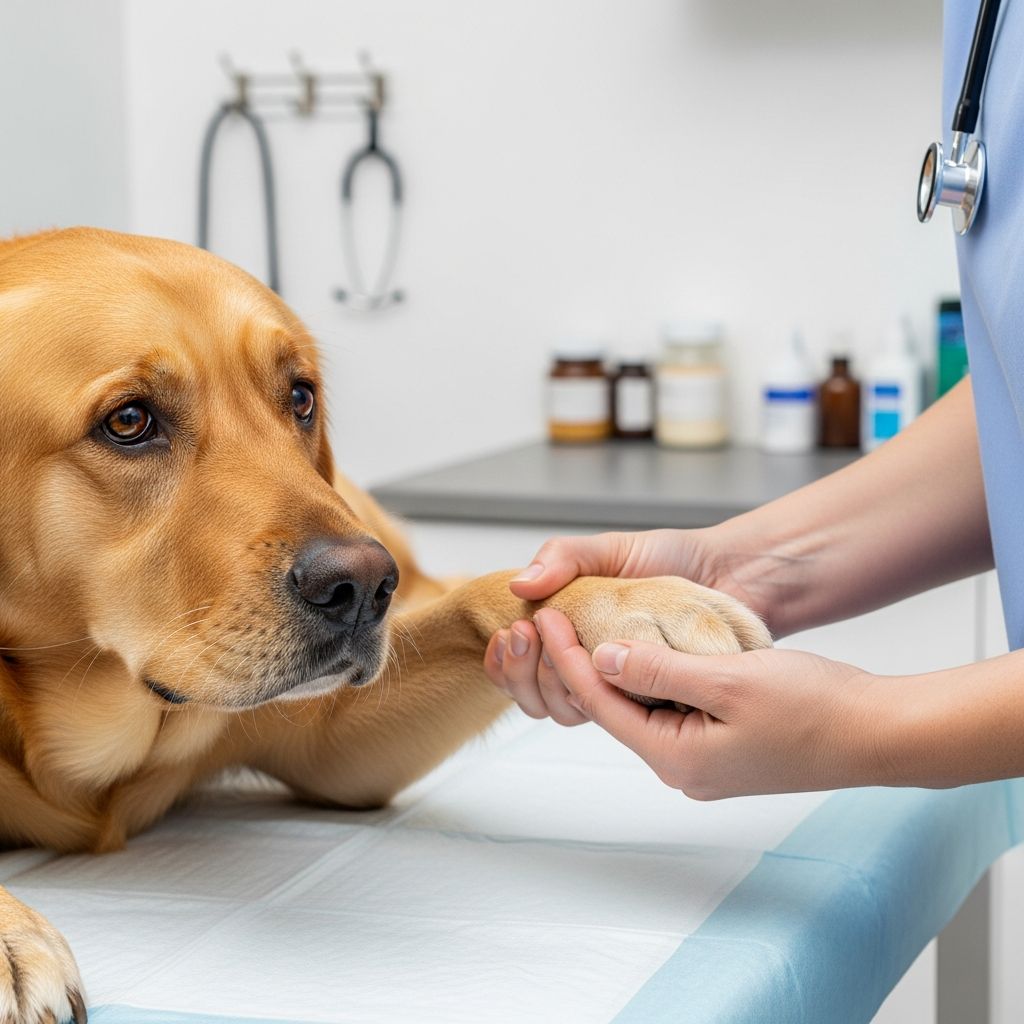
Joint injuries represent a significant challenge for dogs and cats, often resulting from high-impact activities, falls, or degenerative processes. These conditions can severely limit mobility and lead to chronic pain if not addressed promptly. This article delves into the most prevalent types of joint trauma, diagnostic approaches, treatment modalities, and long-term management strategies to help pet owners understand and navigate these issues effectively.
Understanding the Impact of Joint Trauma on Companion Animals
Companion animals like dogs and cats are prone to joint injuries due to their active lifestyles. Dogs, in particular, engage in running, jumping, and playing, which can strain joints, while cats often suffer from high falls leading to hyperextension or fractures. These injuries disrupt normal locomotion, cause inflammation, and accelerate joint degeneration, potentially resulting in osteoarthritis over time.
Early recognition is crucial because untreated joint trauma can lead to muscle atrophy, compensatory injuries in other limbs, and diminished quality of life. Veterinary intervention typically focuses on restoring stability, reducing pain, and preserving joint function for as long as possible.
Common Types of Joint Trauma in Dogs
Dogs frequently experience cranial cruciate ligament (CCL) disease, which is analogous to anterior cruciate ligament tears in humans. This condition involves partial or complete rupture of the ligament stabilizing the stifle (knee) joint, leading to instability and cranial tibial subluxation.
- Partial tears: May present with intermittent lameness, improving with rest but worsening with activity.
- Complete ruptures: Cause acute, non-weight-bearing lameness, often accompanied by joint effusion and a positive cranial drawer test.
Joint fractures are another concern, particularly in young dogs where growth plates (physes) are involved. Salter-Harris classifications help categorize these:
| Type | Description | Treatment Implication |
|---|---|---|
| I | Separation through physis | Closed reduction possible |
| II | Physis and metaphysis fracture (most common) | Often requires pinning |
| III | Physis and epiphysis, joint surface involved | Surgical realignment needed |
| IV | Crosses physis, metaphysis, epiphysis | Complex open reduction |
Hip luxations, typically craniodorsal, occur from trauma like car accidents, displacing the femoral head from the acetabulum.
Joint Trauma Specifics in Cats
Cats are more susceptible to carpal and tarsal injuries due to their leaping habits. Palmar carpal breakdown, resulting from hyperextension, weakens ligaments and leads to joint collapse. This manifests as plantigrade stance and severe lameness.
CCL injuries in cats are less common than in dogs but follow a similar degenerative pattern, exacerbated by trauma. Fractures in felines often affect long bones near joints, such as the distal radius or tibia, requiring precise imaging for assessment.
Recognizing Symptoms of Joint Injuries
Pet owners should watch for key signs:
- Limping or reluctance to bear weight on a limb.
- Swelling, warmth, or instability in the affected joint.
- Pain on palpation or during flexion/extension.
- Decreased activity, difficulty rising, or muscle wasting over time.
In CCL cases, a ‘clicking’ sound or medial buttress formation may be noted. Radiographs reveal effusion, avulsion fractures, or degenerative changes, while advanced imaging like CT or MRI confirms soft tissue damage.
Non-Surgical Management Options
Conservative care suits partial injuries or small breeds. Strategies include:
- Strict rest and crate confinement for 4-6 weeks.
- Anti-inflammatory medications and pain relief.
- Physical therapy, hydrotherapy, and joint supplements (e.g., glucosamine).
- Custom orthotics or slings for support.
Success rates vary; up to 20-30% of CCL cases stabilize without surgery, but arthritis progresses regardless.
Surgical Interventions for Joint Stability
Surgery is gold standard for severe cases. For CCL disease, osteotomy techniques neutralize tibial thrust:
- TPLO (Tibial Plateau Leveling Osteotomy): Cuts and rotates the tibial plateau to 90 degrees, promoting dynamic stability. Dogs bear weight within days, with excellent long-term outcomes.
- TTA (Tibial Tuberosity Advancement): Advances the tibial tuberosity to balance forces; comparable to TPLO but may lag in trotting restoration.
- CBLO/CORA-based: Leveling osteotomies suited for specific anatomies.
- Extracapsular repair: Lateral sutures mimic ligament function; simpler but higher complication rates.
Joint fractures demand internal fixation with plates, screws, or pins to achieve anatomic reduction. Hip luxations may undergo closed reduction under anesthesia, stabilized via slings, or open surgery with capsule repair/toggle pinning.
For palmar carpal breakdown, pancarpal arthrodesis fuses joints at a functional angle using plates and grafts, yielding good limb use.
Meniscal and Associated Injuries
Up to 77% of CCL cases involve meniscal tears, especially medial, due to instability. Arthroscopy allows visualization and meniscectomy or repair. Concurrent assessment prevents reinjury.
Post-Operative Care and Recovery Timeline
Recovery demands diligence:
| Phase | Duration | Key Activities |
|---|---|---|
| Immediate | 0-2 weeks | Strict rest, pain meds, incision monitoring |
| Rehab | 2-8 weeks | Passive range motion, controlled walks |
| Strengthening | 8-12 weeks | Hydrotherapy, agility building |
| Maintenance | 3+ months | Weight control, joint supplements |
Complications (15-28%) include infections, implant failure, or nerve damage; vigilant follow-ups mitigate risks.
Prognosis and Long-Term Outcomes
With surgery, >80% achieve good function. TPLO excels in reducing osteoarthritis progression versus other methods. Lifestyle adjustments like weight management prevent recurrence.
Prevention Strategies for Active Pets
Minimize risks by:
- Maintaining ideal body weight.
- Using ramps for jumping.
- Regular vet check-ups for at-risk breeds (e.g., Labs, Rottweilers).
- Supervised play and prompt injury reporting.
FAQs on Pet Joint Trauma
Q: How do I know if my dog has a CCL tear?
A: Look for sudden lameness, swelling, and a positive drawer sign confirmed by radiographs.
Q: Is surgery always necessary for hip luxation?
A: No, closed reduction works for recent cases; chronic ones need surgery.
Q: Can cats recover fully from carpal breakdown?
A: Yes, arthrodesis provides functional limbs in most cases.
Q: What breeds are prone to joint issues?
A: Large breeds like Labs and Goldens for CCL; agility breeds for fractures.
Q: How long until my pet walks normally post-TPLO?
A: Weight-bearing in days; normal gait by 6-12 months.
References
- Joint Trauma in Dogs and Cats — Merck Veterinary Manual. 2023. https://www.merckvetmanual.com/musculoskeletal-system/arthropathies-and-related-disorders-in-small-animals/joint-trauma-in-dogs-and-cats
- Joint Dislocations and Fractures in Dogs and Cats — OrthoVet Ohio. 2024. https://www.orthovetohio.com/joint-dislocations-and-fractures-in-dogs-and-cats.html
- Understanding Orthopedic Surgery for Cats and Dogs — SB Veterinary. 2023. https://www.sbveterinary.com/blog/understanding-orthopedic-surgery-for-cats-and-dogs
- Common Feline Orthopedic Conditions — Dogwood Veterinary Clinic. 2024. https://www.dogwoodvetclinic.com/common-feline-orthopedic-conditions/
- Canine Cruciate Ligament Injury — Colorado State University Veterinary Teaching Hospital. 2025. https://vetmedbiosci.colostate.edu/vth/services/orthopedic-medicine/canine-cruciate-ligament-injury/
Similar Articles








Read full bio of medha deb


