
Joint Disorders In Horses: Symptoms, Diagnosis, Treatment Guide
Comprehensive guide to understanding, diagnosing, and managing joint issues in horses for optimal performance and welfare.
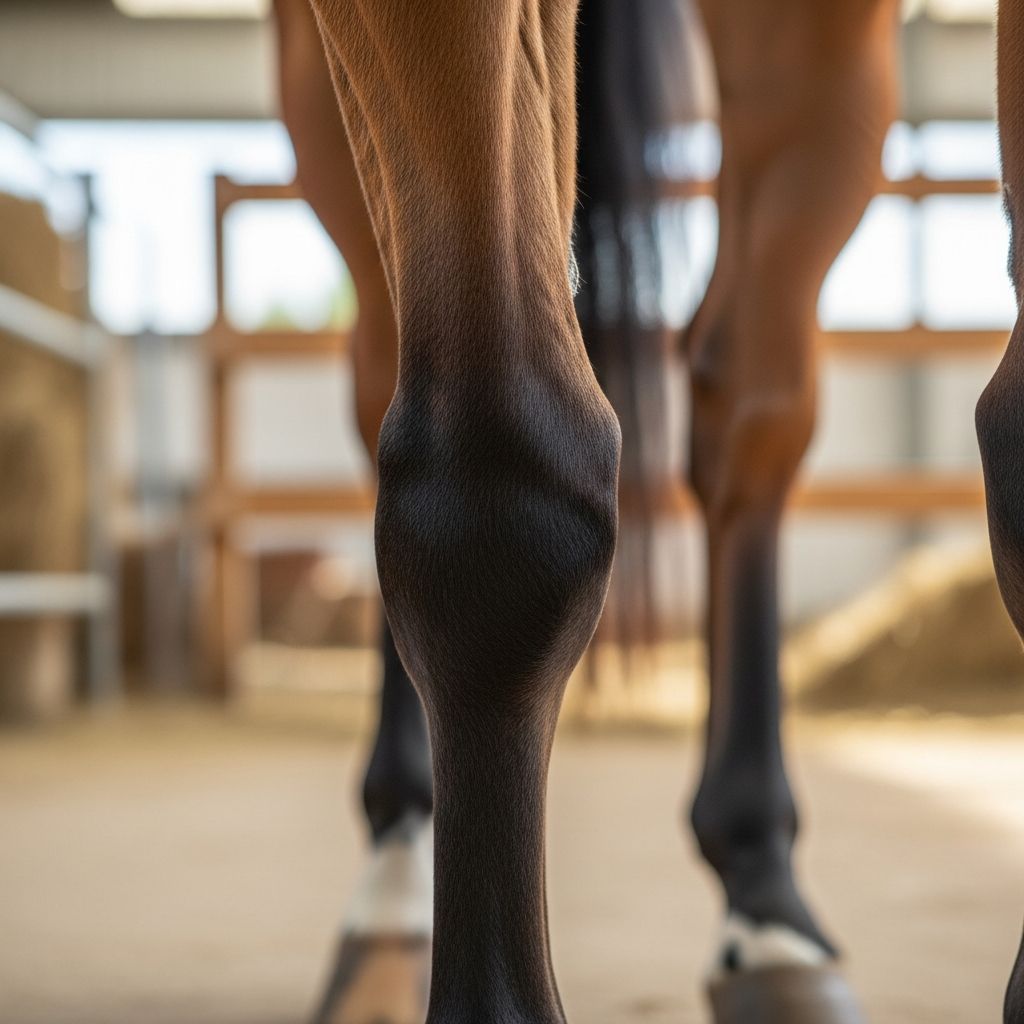
Joint problems represent one of the primary reasons horses experience lameness, affecting their ability to perform daily activities or compete athletically. These conditions arise from various factors such as repetitive stress, injuries, developmental issues, or infections, leading to pain, inflammation, and reduced mobility. Early detection and intervention are crucial to preserving joint integrity and extending a horse’s productive life.
Understanding Equine Joint Anatomy and Function
Horse joints are complex structures comprising bones, cartilage, synovial fluid, and surrounding tissues like ligaments and tendons. Synovial joints, the most common type affected, rely on smooth articular cartilage to minimize friction during movement. Synovial fluid lubricates these joints, while bursae—small fluid-filled sacs—cushion areas of high pressure. When these components are compromised, disorders emerge, often starting subtly but progressing to severe lameness if untreated.
In athletic horses, high-impact activities accelerate wear on joints like the fetlock, hock, stifle, and carpus (knee). Young horses may face developmental challenges, while older ones contend with age-related degeneration. Maintaining joint health involves balanced nutrition, proper footing, and regular veterinary check-ups.
Common Types of Joint Disorders
Horses suffer from diverse joint issues, each with unique origins and manifestations. Recognizing patterns helps owners and vets pinpoint problems quickly.
Degenerative Joint Disease (Osteoarthritis)
Osteoarthritis, or degenerative joint disease (DJD), is the most prevalent chronic condition, stemming from cartilage breakdown due to aging, obesity, or repetitive trauma. Cartilage thins, exposing bone ends that remodel irregularly, causing pain and stiffness. Early warmth and swelling give way to fibrosis and limited motion.
- Symptoms: Stiffness post-rest, worsening lameness after exercise, joint effusion, and crepitus (grinding sensation).
- Risk factors: Heavy body weight, intense training on hard surfaces, genetic predisposition.
Traumatic Arthritis and Inflammation
Direct injuries or cumulative micro-trauma spark acute inflammation, the top lameness cause in performance horses. A single fall or repeated concussive forces inflame the synovium, producing excess fluid, heat, and pain.
Synovitis, inflammation of the joint lining, often precedes DJD if unmanaged. Capsulitis affects the joint capsule, common in fetlocks of sport horses.
Septic and Infectious Arthritis
Bacterial invasion via wounds or bloodstream causes septic arthritis, a veterinary emergency. Pus buildup erodes cartilage rapidly, demanding aggressive intervention like lavage and antibiotics.
Developmental Disorders: Osteochondrosis (OCD)
OCD disrupts endochondral ossification in growing foals, forming cartilage flaps or bone fragments in joints like hocks, stifles, or fetlocks. Linked to rapid growth, mineral imbalances (e.g., copper deficiency), genetics, or trauma, it affects up to 25% of young horses clinically.
- Signs: Lameness, joint distension, reduced range of motion.
Bursitis and Synovitis Variants
Bursitis inflames bursal sacs from trauma or infection. Carpal hygromas (knee swellings) arise from lying on hard ground; olecranon bursitis (‘capped elbow’) from elbow knocks. Acute cases respond to rest and aspiration; chronic ones may need surgery.
Tenosynovitis targets tendon sheaths, causing windpuffs or thoroughpin. Idiopathic in youth, traumatic otherwise, it leads to effusion and lameness.
Recognizing Symptoms and Early Warning Signs
Joint issues manifest progressively. Initial clues include subtle gait changes, like shortened strides or toe-dragging, escalating to overt lameness. Key indicators:
- Joint heat, swelling, or fluid buildup.
- Pain on flexion or palpation.
- Stiffness easing with warm-up but returning post-exercise.
- Reduced performance, resentment to movement.
Owners should monitor at rest and work, noting asymmetry. Hock or stifle issues may alter hindlimb arcs; forelimb fetlock problems shorten strides.
Diagnostic Approaches
Vets employ systematic exams: lameness grading, flexion tests, joint blocks for localization. Imaging includes radiographs for bone changes, ultrasound for soft tissues, and MRI/CT for complex cases. Synovial fluid analysis detects infection or inflammation; arthroscopy visualizes interiors.
| Diagnostic Tool | Purpose | Advantages |
|---|---|---|
| Radiography | Bone alignment, fractures, OCD | Cost-effective, widely available |
| Ultrasound | Tendons, synovium, effusion | Real-time, non-invasive |
| Arthroscopy | Cartilage, fragments | Direct visualization, therapeutic |
Treatment Strategies for Joint Health
Tailored therapies aim to reduce inflammation, protect cartilage, and restore function. Multimodal approaches yield best outcomes.
Medical Management
- NSAIDs: Phenylbutazone or flunixin for pain and swelling control.
- Intra-articular injectables: Corticosteroids for short-term relief; hyaluronic acid (HA) or PSGAG (Adequan) for viscosupplementation and cartilage support.
- Systemics: Oral glucosamine/chondroitin, MSM for maintenance.
Regenerative Therapies
Biologics like PRP, stem cells, or IRAP promote healing without steroids. Bisphosphonates curb bone overgrowth; polyacrylamide hydrogels cushion joints.
Physical and Supportive Care
Rest in stalls, cold hosing, swimming, controlled exercise. Specialized shoeing unloads joints; weight management prevents overload.
Alternatives: shockwave, acupuncture, PEMF, chiropractic.
Surgical Interventions
Arthroscopic fragment removal for OCD; fracture pinning; arthrodesis for end-stage DJD to fuse painful joints, eliminating motion but pain.
Prevention and Long-Term Management
Proactive steps mitigate risks:
- Balanced diet with adequate minerals (copper, calcium:phosphorus ratio).
- Gradual conditioning on soft footing.
- Regular farrier work and body condition scoring.
- Joint supplements from age 2-3 in high-risk breeds.
- Routine lameness exams for competitors.
For chronic cases, lifelong regimens blend supplements, injectables, and exercise to sustain comfort.
FAQs on Equine Joint Disorders
What causes most joint problems in horses?
Repetitive trauma in athletes, developmental flaws in youth, and degeneration in seniors top the list.
Can joint supplements cure arthritis?
No, but they support cartilage health and reduce symptoms when combined with other therapies.
How soon should I call the vet for lameness?
Immediately for heat/swelling; within days for persistent gait changes.
Is surgery always needed for OCD?
Not always; conservative management works for mild cases, surgery for fragments.
Do older horses recover from joint injuries?
Full recovery varies, but management keeps many comfortable into retirement.
Conclusion
Joint disorders challenge horse owners, but informed vigilance and modern treatments enable many equines to thrive. Partner with your vet for personalized plans, prioritizing early action for lasting joint vitality.
References
- Equine Joint Disease — Large Animal Hospital. 2023. https://www.largeanimalhospital.com/equine-joint-disease
- Joint conditions in horses | Symptoms, causes and treatments — StreamZ Global. 2024. https://us.streamz-global.com/blogs/articles/joint-conditions-in-horses-symptoms-causes-and-treatments
- Arthritis in Horses: Symptoms and Management — PetMD. 2025. https://www.petmd.com/horse/conditions/musculoskeletal/arthritis-in-horses
- Equine Joint Anatomy & Common Conditions — Mad Barn. 2024. https://madbarn.com/horse-joint-anatomy/
- Joint Disorders in Horses — MSD Veterinary Manual. 2025. https://www.msdvetmanual.com/horse-owners/bone-joint-and-muscle-disorders-in-horses/joint-disorders-in-horses
- Treating Joint Disease in the Equine Athlete — FVMA. 2023. https://fvma.org/treating-joint-disease-in-the-equine-athlete/
Similar Articles








Read full bio of Sneha Tete


