
Joint Diseases in Livestock: Causes, Diagnosis, and Management
Comprehensive guide to identifying and treating arthropathies in large farm animals
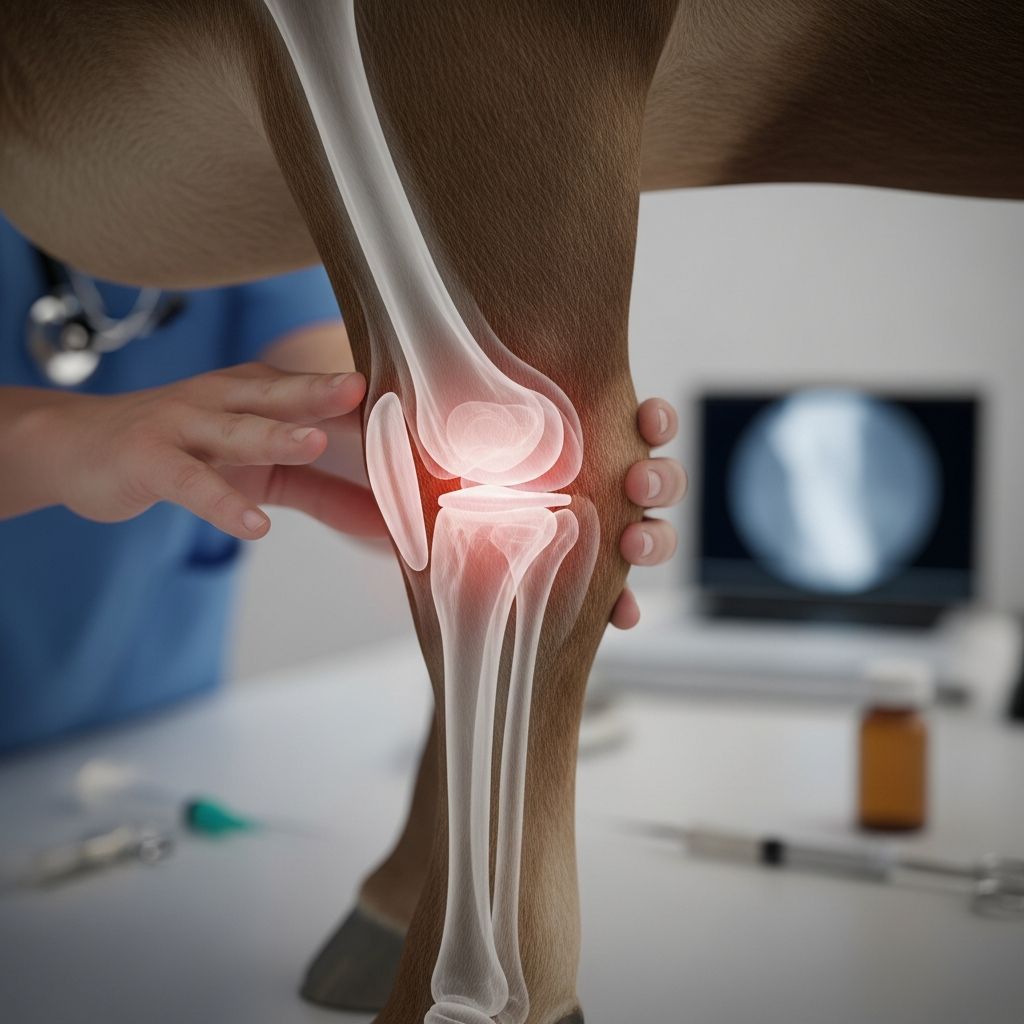
Joint diseases represent a significant source of morbidity and economic loss in livestock operations worldwide. These conditions affect productivity, reproduction, and overall animal welfare across dairy herds, beef operations, and equine establishments. Understanding the pathophysiology, clinical presentation, and management strategies for various arthropathies enables veterinary professionals and farm managers to implement effective prevention programs and therapeutic interventions. This article provides an in-depth examination of the major joint diseases affecting large production animals.
Understanding Inflammation of Joint Structures
The articular system in large animals comprises multiple interconnected structures including the synovial membrane, cartilage surfaces, joint capsule, and surrounding ligamentous tissues. When these structures experience inflammatory insult, the resulting condition may manifest as acute synovitis with swelling and lameness or progress to chronic degenerative changes affecting long-term mobility. The initial inflammatory response, while necessary for healing, can paradoxically perpetuate joint damage through the release of destructive enzymes and inflammatory mediators.
Acute inflammation typically develops rapidly following traumatic events or infectious exposure. The synovial membrane responds by increasing fluid production, leading to capsular distension and pain. This protective response, when excessive or prolonged, contributes to cartilage degradation and eventual structural failure of the joint.
Traumatic Joint Injuries and Acute Inflammation
Mechanisms of Injury
Traumatic joint conditions arise through various mechanisms common in livestock management. Direct impact injuries, repetitive stress from improper flooring or confinement systems, and sudden forceful movements during handling or transport all contribute to acute joint trauma. The severity of injury ranges from superficial synovitis affecting only the synovial membrane to complex intra-articular fractures involving multiple cartilage and bone fragments.
Younger animals in intensive production systems face heightened injury risk due to rapid growth rates and metabolic demands. Similarly, breeding animals subjected to repeated mounting or surgical procedures experience cumulative joint stress that predisposes to inflammatory conditions.
Clinical Presentation and Diagnosis
Animals with acute joint inflammation typically demonstrate lameness, reluctance to bear weight, and localized swelling. Palpation reveals heat and pain response, while movement restrictions indicate capsular involvement. Definitive diagnosis requires synovial fluid analysis, revealing elevated protein content, white blood cell counts, and inflammatory markers in uncomplicated traumatic cases.
Management Strategies for Acute Trauma
Therapeutic approaches for acute traumatic conditions emphasize tissue protection and inflammation control. Immediate interventions include enforced rest with stall confinement to prevent further injury and reduce dynamic loading on compromised joints. Cold water therapy and ice application reduce synovial inflammation and provide analgesic benefits through localized vasoconstriction and reduced metabolic activity.
Passive range-of-motion exercises, when implemented properly, prevent joint stiffness and promote synovial fluid circulation. Swimming and hydrotherapy provide weightless exercise that maintains muscle conditioning while eliminating compressive forces on affected joints. These physical rehabilitation protocols work synergistically with pharmaceutical interventions to restore function.
Pharmaceutical Intervention
Nonsteroidal anti-inflammatory drugs represent the cornerstone of acute joint trauma management. Phenylbutazone, commonly administered orally or intravenously in equine and bovine patients, effectively reduces synovial inflammation and provides analgesia. These medications decrease prostaglandin synthesis and inhibit inflammatory mediator cascades that perpetuate tissue damage beyond the initial injury.
Major articular fractures necessitate surgical intervention with careful reduction and stabilization of bone fragments. Smaller osteochondral fragments may be arthroscopically removed to prevent ongoing cartilage damage and mechanical joint dysfunction. Timing of surgical intervention proves critical, as delayed treatment allows secondary inflammation and cartilage degeneration.
Infection-Based Joint Disease
Pathways of Joint Infection
Bacterial contamination of joints occurs through three distinct mechanisms, each carrying different clinical implications. Hematogenous seeding represents the most common route in young animals, where systemic bacteremia localizes within synovial tissue. This pathway frequently follows umbilical infections in newborn foals, calves, and lambs—conditions collectively termed navel ill. Gastrointestinal and pulmonary infections also provide hematogenous sources of joint-localized pathogens.
Traumatic inoculation occurs when contaminated foreign material penetrates the joint capsule through puncture wounds or laceration injuries. This mechanism particularly affects production animals maintained in environments with poor sanitation or sharp foreign objects. Iatrogenic infection follows veterinary procedures including therapeutic joint injections and surgical arthroscopy when aseptic technique fails or contaminated instruments are used.
Microbial Pathogens and Species-Specific Infections
Multiple bacterial species demonstrate tropism for equine joints, with gram-negative organisms and anaerobic bacteria often recovered from acute infections. Actinobacillus seminis produces polyarthritis affecting multiple joints simultaneously, complicating treatment and prognosis. Chlamydial species and erysipelas organisms similarly present challenges through their ability to establish systemic infections with multi-joint involvement.
Swine arthritis frequently develops following infection with Haemophilus species, Erysipelothrix organisms, and mycoplasma. Chronic presentations in mature pigs may be mistaken for nutritional deficiencies or genetic joint conditions, particularly when confusing dietary hypervitaminosis A with infectious sequelae. Viral and mycoplasmal agents in food-producing animals underscore the complex etiology of joint infections in commercial herds.
Clinical Signs and Diagnostic Approach
Infected joints present with acute lameness, marked swelling, elevated local temperature, and pain response to manipulation. Systemic signs may include fever, depression, and reduced feed intake. Early-stage diagnosis proves straightforward through synovial fluid evaluation, revealing neutrophilic pleocytosis, elevated protein, and positive bacterial culture. Chronic infections present diagnostic challenges, as inflammatory markers may normalize while structural damage progresses irreversibly.
Treatment Protocols
Septic joint management requires urgent intervention to prevent permanent cartilage destruction and subchondral bone necrosis. Systemic broad-spectrum antimicrobial therapy forms the treatment foundation, with initial drug selection based on expected pathogenic organisms. Penicillin-aminoglycoside combinations provide excellent coverage against common equine pathogens, while cephalosporins offer advantages in cattle.
Local antimicrobial delivery achieves superior drug concentrations within joint tissues compared to systemic administration alone. Direct intra-articular injection allows repeated high-dose therapy without systemic toxicity concerns. Intravenous regional limb perfusion (IVRLP) effectively delivers antibiotics to tarsal and carpal joints and distal structures through vascular administration techniques. Continuous infusion systems maintain therapeutic concentrations over extended periods.
Mechanical debridement through joint flushing removes bacterial biofilms, fibrin deposits, and inflammatory debris that impair antimicrobial penetration. Needle lavage provides basic flushing, while arthroscopic approaches enable visualization and targeted removal of infected tissue. Adjunctive anti-inflammatory therapy with NSAIDs controls pain and inflammatory mediator production, reducing secondary cartilage damage.
Treatment efficacy monitoring requires serial synovial fluid analysis and close observation of clinical improvement. Persistent synovial inflammation despite appropriate antimicrobial therapy suggests inadequate drug delivery, resistant organisms, or sequestered infection requiring surgical intervention. Minimum antimicrobial duration of 4-6 weeks ensures eradication of deep-seated infections.
Chronic Degenerative Joint Changes
Pathophysiology of Osteoarthritis
Osteoarthritis develops through progressive articular cartilage degradation accompanied by synovial inflammation and subchondral bone remodeling. This degenerative condition represents the terminal stage of various joint insults, whether from untreated acute injuries, chronic low-grade infections, developmental abnormalities, or cumulative wear from production demands. Unlike acute inflammatory conditions, osteoarthritis involves irreversible structural changes that cannot be fully reversed through treatment.
The degenerative cascade begins with cartilage surface disruption and loss of the protective glycosaminoglycan matrix. Exposed bone surfaces undergo abnormal remodeling, with marginal osteophyte formation representing the body’s attempt to stabilize the damaged joint. Simultaneously, synovial inflammation perpetuates cartilage damage through enzymatic degradation and inflammatory mediator release.
Risk Factors and Prevention Strategies
Several modifiable and non-modifiable factors contribute to osteoarthritis development. Inadequate treatment or unsuccessful management of acute traumatic synovitis, intra-articular fractures, osteochondritis dissecans, and septic arthritis significantly increases osteoarthritis risk. Prompt diagnosis and appropriate intervention in acute conditions represent the most effective osteoarthritis prevention strategy.
Production-related factors including high growth rates in young beef cattle, intensive confinement systems, and repetitive use in working horses accelerate cartilage degeneration. Environmental factors such as poor flooring surfaces, inadequate drainage, and slippery walking areas compound joint stress. Genetic predisposition to joint disease, while less modifiable, should guide breeding decisions in valuable animals.
Management Approach to Degenerative Conditions
Osteoarthritis management focuses on slowing progressive degeneration and maintaining animal comfort and function. Treatment remains primarily palliative, as no intervention reverses established cartilage loss. Multimodal approaches combining pharmaceutical, physical, and surgical interventions optimize outcomes across diverse production systems.
Pharmaceutical Management Options
Nonsteroidal anti-inflammatory medications form the foundation of degenerative joint disease management, controlling pain and reducing secondary inflammatory cascades. Intra-articular corticosteroid injections provide sustained anti-inflammatory effects within affected joints, reducing synovial inflammation and associated cartilage damage. However, repeated injections may accelerate cartilage degradation through direct toxicity and reduced proteoglycan synthesis.
Polysulfated glycosaminoglycans administered intramuscularly or directly into affected joints provide chondroprotective effects and may slow cartilage degeneration. These agents stabilize cartilage matrix, reduce inflammatory enzyme activity, and promote synovial fluid properties. Hyaluronic acid, when administered intravenously or intra-articularly, improves joint lubrication and reduces inflammatory mediator concentration.
Biologic and Regenerative Approaches
Novel biologic therapies represent emerging options for degenerative joint management. Autologous conditioned serum involves culturing the animal’s own serum to concentrate anti-inflammatory proteins and growth factors, which are then injected into affected joints. Platelet-rich plasma concentrates thrombocyte-derived growth factors and anti-inflammatory mediators, promoting tissue healing and reducing joint inflammation.
Stem cell and regenerative medicine approaches show promise in preliminary studies, with autologous protein solutions derived from the animal’s own tissues providing immunologically compatible therapeutic factors. Polyacrylamide hydrogel acts as a joint spacer and viscosupplement, improving lubrication and reducing cartilage-to-cartilage contact in severely damaged joints.
Comparative Management Framework
| Joint Condition Type | Primary Etiology | Key Diagnostic Finding | Primary Treatment Approach |
|---|---|---|---|
| Traumatic Synovitis | Direct impact or stress injury | Elevated synovial protein and white blood cells | Rest, cold therapy, NSAIDs, physical rehabilitation |
| Septic Arthritis | Bacterial infection via multiple routes | Positive bacterial culture, neutrophilic pleocytosis | Systemic and local antibiotics, joint flushing, NSAIDs |
| Osteoarthritis | Progressive cartilage degradation | Radiographic evidence of osteophytes and cartilage loss | NSAIDs, intra-articular injections, biologic therapies, rehabilitation |
Comprehensive Assessment and Monitoring
Successful joint disease management requires systematic assessment of treatment response and adjustment of therapeutic protocols based on clinical progress. Synovial fluid analysis provides objective markers of inflammatory status, with normalization of cell counts and protein concentration indicating positive therapeutic response in infectious conditions.
Lameness grading and functional assessments enable documentation of clinical improvement or deterioration. Serial radiographic or ultrasound evaluation in selected cases demonstrates progression or stabilization of structural changes. Close communication with veterinary professionals ensures timely modification of treatment plans when expected progress does not occur.
Special Considerations for Production Animals
Management decisions in commercial livestock operations must balance therapeutic benefits against economic constraints and production timelines. Young breeding animals warrant aggressive intervention to preserve reproductive potential, while mature animals approaching market may receive more conservative palliative care. Environmental modifications including improved flooring, reduced stocking density, and optimized facility design prevent recurrence and benefit the broader herd.
Antimicrobial stewardship principles guide selection of antibiotics for septic conditions, minimizing development of resistant organisms while ensuring adequate therapeutic coverage. Judicious use of corticosteroids and repeated joint injections prevents iatrogenic complications that may worsen long-term outcomes.
Future Directions in Joint Disease Management
Emerging research into immunomodulation, gene therapy, and tissue engineering promises novel therapeutic options for degenerative joint conditions. Enhanced diagnostic capabilities including molecular pathogen identification and advanced imaging enable more precise treatment targeting. Integration of management strategies encompassing nutrition, genetics, and environmental design may further reduce joint disease incidence in future livestock populations.
References
- Arthritis in Large Animals — Merck Veterinary Manual. 2024. https://www.merckvetmanual.com/musculoskeletal-system/arthropathies-in-large-animals/arthritis-in-large-animals
- Arthritis Management and Prevention — Colorado State University College of Veterinary Medicine and Biomedical Sciences. 2025. https://vetmedbiosci.colostate.edu/vth/services/orthopedic-medicine/arthritis-management-and-prevention/
- Osteoarthritis in Dogs — Cornell University College of Veterinary Medicine. 2025. https://www.vet.cornell.edu/departments-centers-and-institutes/riney-canine-health-center/canine-health-topics/osteoarthritis
- Arthritis in Pets: Causes and Treatment — Hespeler Animal Hospital. 2024. https://www.hespeleranimalhospital.com/arthritis-in-pets.pml
Similar Articles








Read full bio of Sneha Tete


