

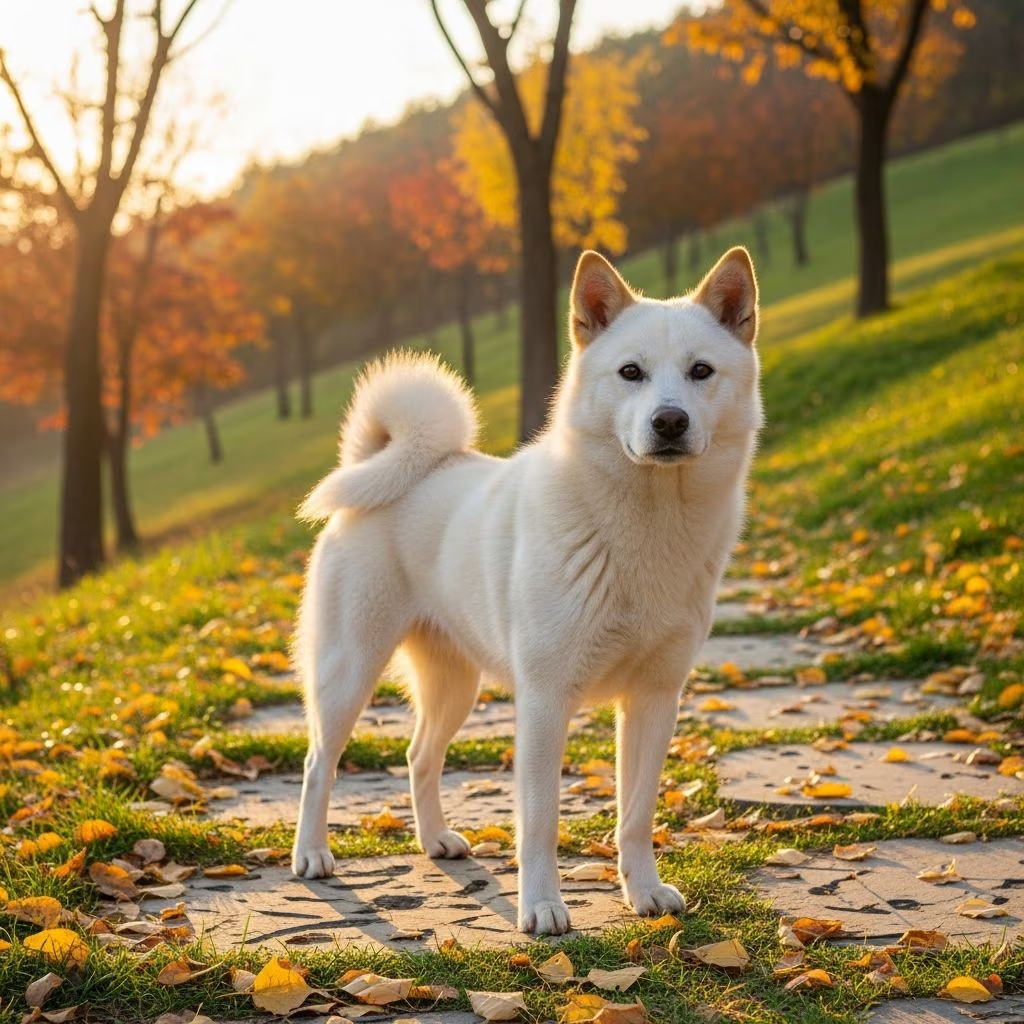
The Jindo, a spirited breed originating from South Korea’s Jindo Island, typically enjoys a lifespan of 12 to 15 years, with many reaching or exceeding 14 years under optimal conditions.
This natural longevity stems from their robust genetics and spitz-type build, making them resilient hunters and loyal companions. Understanding what influences their vitality allows owners to provide targeted care across life stages.
Typical Longevity Expectations for Jindos
Jindos stand out among medium-sized breeds for their endurance, often outliving similar dogs by a year or two. Sources consistently report an average of 12-13 years, though peaks at 14-15 are common with diligent care. Factors like breeding purity on their native island contribute to this hardiness, but individual variation exists based on heredity and environment.
Males measure 19.5-21 inches tall and weigh 30-50 pounds, while females are slightly smaller at 18.5-20 inches. Their double coat and athletic frame support active lifestyles, but proactive health management is key to unlocking their full potential lifespan.
Key Influences on Jindo Longevity
Several modifiable elements determine how long a Jindo thrives. Prioritizing these can add years of quality life.
Genetic Foundations
Heredity plays a pivotal role, as purebred lines from Jindo Island minimize some risks but heighten others due to limited gene pools. Pre-breeding health screenings for soundness help mitigate inherited vulnerabilities. While Jindos boast few breed-specific woes, awareness of predispositions guides early intervention.
Balanced Nutrition Strategies
A meat-forward diet rich in proteins, supplemented by grains, fruits, and vegetables, fuels Jindo vitality. Maintaining ideal weight prevents obesity-linked issues like joint strain and cardiac strain. Age-appropriate formulas ensure puppies get growth nutrients, adults sustain energy, and seniors manage calorie needs without excess fat accumulation. Veterinary input tailors portions to activity levels, promoting lean muscle and organ health.
Exercise and Physical Activity
These high-energy dogs demand daily rigorous outings—think hikes, runs, or agility drills—to channel their hunting instincts. Regular movement wards off weight gain, bolsters cardiovascular fitness, and preserves joint integrity. Aim for 60-90 minutes split into sessions, adapting intensity by age to avoid overexertion while keeping muscles toned.
Mental Engagement Essentials
Boredom breeds stress in intelligent Jindos, potentially shortening life via anxiety or destructive habits. Puzzle toys, obedience drills, scent games, and socialization keep cognition sharp, even in later years. Short, daily brain teasers enhance neural pathways, fostering resilience against age-related decline.
Oral Health Maintenance
Oft-overlooked, dental neglect leads to infections that systemically impact longevity. Brushing with enzymatic pastes, dental chews, and vet cleanings curb plaque buildup, gingivitis, and periodontitis. Experts note consistent routines can extend pain-free years by 3-5.
Regular Veterinary Oversight
Annual exams for adults, biannual for seniors, catch subclinical issues early. Vaccinations, parasite controls, blood panels, and imaging detect threats like thyroid imbalances before they escalate. This schedule aligns with life stages for customized protocols.
Jindo Life Stages and Tailored Care
Jindos progress through distinct phases, each requiring specific attention to nurture lifespan.
Early Puppyhood (Birth to 12 Months)
Rapid development demands core vaccines, deworming, and nutrient-dense kibble. Frequent vet visits monitor growth curves and screen for congenital quirks. Socialization curbs behavioral roots of future stress.
Prime Adulthood (1-8 Years)
Peak physicality suits advanced training like herding simulations or endurance treks. Spay/neuter decisions factor into cancer risk assessments. Baseline health profiles establish norms for later comparisons.
Senior Phase (8+ Years)
Slowed metabolism calls for senior diets low in phosphorus for kidney support. Mobility aids, joint supplements (glucosamine/chondroitin), and cognitive games counter arthritis and disorientation. Routine labs flag hypothyroidism or organ shifts promptly.
Common Health Concerns in Jindos
Though hardy, vigilance against breed tendencies preserves years.
- Hypothyroidism: Slowed metabolism causes lethargy, weight gain; blood tests confirm, thyroid meds resolve.
- Discoid Lupus Erythematosus: Autoimmune skin affliction; sun avoidance and topicals manage.
- Allergies: Itchiness from environmental triggers; hypoallergenic diets or meds soothe.
- Hip Dysplasia/Cataracts: Less common but screenable via Orthopedic Foundation exams or ophthalmic checks.
| Condition | Symptoms | Prevention/Treatment |
|---|---|---|
| Hypothyroidism | Fatigue, hair loss | Annual bloodwork, hormone therapy |
| Allergies | Itching, ear infections | Allergen avoidance, antihistamines |
| Dental Disease | Bad breath, loose teeth | Daily brushing, professional cleanings |
| Joint Issues | Limping, stiffness | Weight control, supplements |
Assessing Your Jindo’s Age
Visual cues aid age estimation: puppies burst with boundless vigor; adults exhibit sleek coats and firm musculature; seniors show gray muzzles, worn teeth, and gentler paces. Dental wear, eye cloudiness, and body condition offer reliable indicators when pedigrees lack.
Practical Tips for Longevity
- Foster a stable home with weatherproof shelter and companionship to reduce stress.
- Incorporate omega-3s for coat and joint support.
- Track weight monthly; adjust feeds accordingly.
- Enroll in breed-specific events for social bonds.
- Prepare financially for senior diagnostics and therapies.
Frequently Asked Questions (FAQs)
How can I help my Jindo live longer?
Focus on premium nutrition, ample exercise, mental challenges, dental routines, and frequent vet care to exceed the 12-15 year average.
Are Jindos prone to specific diseases?
Yes, hypothyroidism, allergies, and occasional hip dysplasia or cataracts; early screening is vital.
When does a Jindo become a senior?
Around 8-10 years, shifting to gentler activities and closer monitoring.
Does spaying/neutering affect lifespan?
Discuss with vets; it may lower certain cancer risks but consider timing for skeletal maturity.
What’s the best diet for Jindo longevity?
High-protein, balanced commercial foods vetted by professionals, portioned for life stage and activity.
References
- How Long Does a Jindo Dog Live? Vet-Reviewed Average Lifespan — Dogster. 2023. https://www.dogster.com/dog-health-care/jindo-lifespan-how-long-do-they-live
- How Long Do Jindos Live? Average Lifespan, Data & Care — Hepper. 2023. https://articles.hepper.com/jindo-lifespan-how-long-do-they-live/
- Jindo Dog Breed Health and Care — PetMD. 2023. https://www.petmd.com/dog/breeds/jindo
- Jindo Breed Information Guide: Photos, Traits, & Care — Bark.co. 2023. https://bark.co/blogs/breeds/jindo-breed-guide
- Jindo Breed Profile: Things to Know Before Adopting — Adopt-a-Pet. 2023. https://www.adoptapet.com/dog-breeds/jindo



