

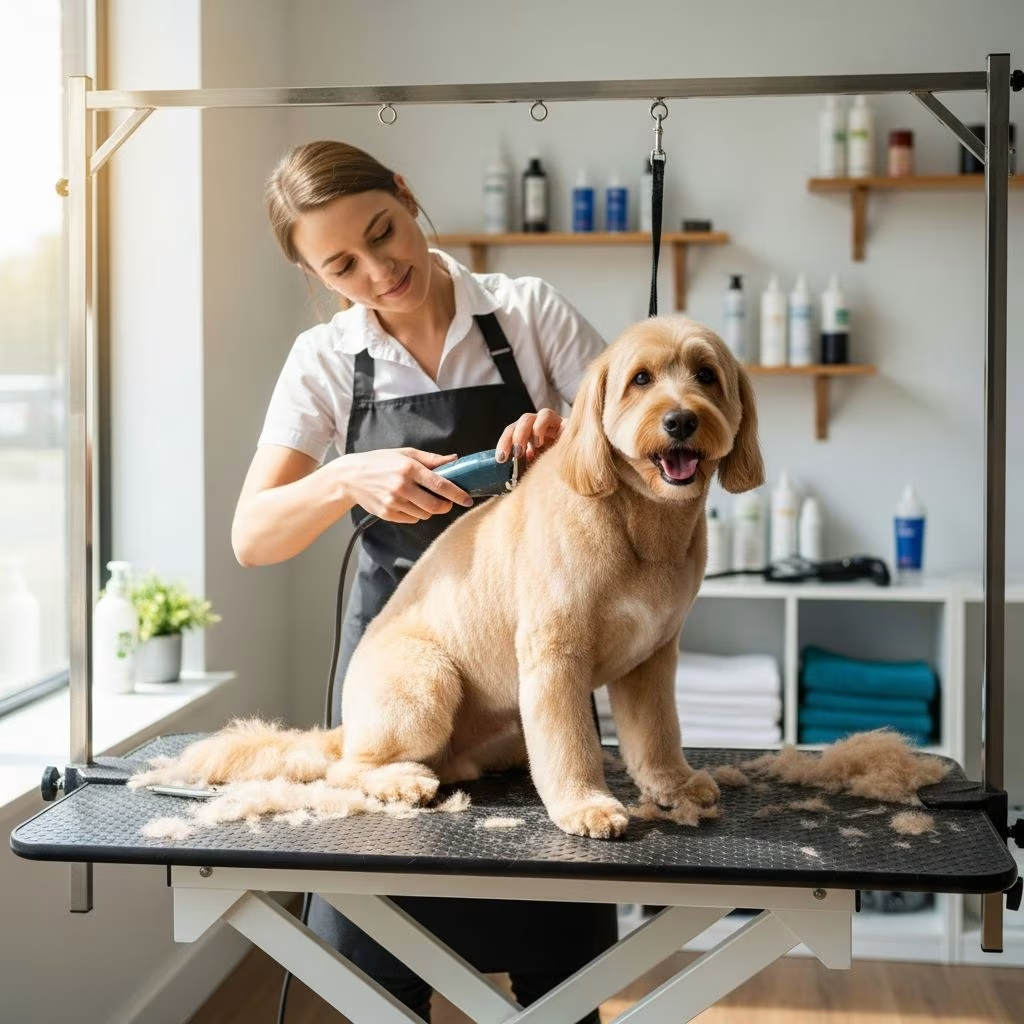
Celebrity dog groomer Jess Rona shares expert insights on seasonal grooming, debunking common myths about ‘summer cuts’ and ‘winter coats’ to help pet owners keep their dogs comfortable and healthy year-round.
Think of your dog’s coat as insulation
A dog’s coat functions like the insulation in a home, not a removable sweater. Jess Rona, owner of Jess Rona Grooming in Los Angeles and groomer to celebrities like Katy Perry and Zooey Deschanel, explains that shaving a dog completely removes this vital protective layer. Each hair strand is equipped with follicular muscles that allow dogs to regulate body temperature by moving air through the coat. Without it, dogs become vulnerable to sunburn, insect bites like ticks, and extreme temperature fluctuations.
For instance, in hot summers, many owners mistakenly believe a close shave provides relief, similar to humans shedding heavy clothing. However, Rona notes this is a widespread misconception she addresses with clients every season. The coat’s natural structure traps cool air near the skin while blocking harsh UV rays and pests. Removing it entirely disrupts this balance, potentially leading to skin issues and uneven regrowth.
Professional grooming maintains coat length while enhancing its function. Regular trims tidy the appearance without compromising protection, ensuring dogs stay cool through natural mechanisms like panting and ear circulation, supported by their intact fur.
Some breeds need extra grooming in the summer
Double-coated breeds, such as Huskies, Labradors, Newfoundlands, Pomeranians, and Australian Shepherds, require special attention during summer. These dogs have a dense undercoat for insulation and a longer guard coat that repels water and dirt. Brushing out the loose undercoat allows better airflow, helping regulate temperature without shaving.
Groomers use high-powered force dryers to efficiently remove undercoat fluff painlessly, a process Rona describes as creating a ‘snowstorm’ of fur in the salon. At home, owners can use deshedding tools like undercoat rakes, but professional services prevent mess and ensure thoroughness. The ASPCA emphasizes that short-haired breeds may need sun-protective clothing in summer, while long-haired dogs benefit from light trims to avoid matting.
- Double-coated breeds to line brush: Huskies, German Shepherds, Golden Retrievers, Labrador Retrievers, Australian Shepherds, Pomeranians, Alaskan Malamutes, Corgis.
- Grooming tools for summer: Slicker brushes, deshedding shampoos, force dryers at professional salons.
- Benefits: Reduces shedding, improves airflow, prevents overheating without damaging follicles.
Single-coated breeds like Poodles, Terriers, Shih Tzus, and Doodles can tolerate trims or clips since their hair grows continuously and doesn’t shed seasonally. For these, sanitary trims around paws and rear maintain hygiene and comfort in heat.
Spring Grooming: Managing the Big Shed
Spring signals the start of shedding for many dogs as they transition from winter coats to lighter summer fur. Regular brushing with slicker or deshedding brushes removes loose hair, distributes skin oils, and reduces household fur buildup. Double-coated breeds shed heavily, making daily sessions essential to prevent matting.
Owners should bathe dogs with moisturizing shampoos to combat allergy-related dry skin common in spring. Check paws for pollen buildup, which can irritate skin. Veterinary sources recommend flea preventatives alongside grooming to handle increased pest activity.
- Brush 3-5 times weekly.
- Use de-shedding treatments.
- Monitor for hot spots from moisture trapped in shedding fur.
Summer Grooming: Cooling Without Shaving
High temperatures tempt owners to shave, but experts advise against it for most breeds. Instead, focus on de-shedding, light trims, and hygiene. Short-haired dogs like Greyhounds or Dalmatians rarely need cuts but benefit from baths to remove summer grime.
For curly coats prone to matting, daily combing prevents heat-trapping knots. Trim fur between paw pads to aid sweat evaporation, as dogs cool primarily through paws. Provide shade, water, and avoid midday walks.
| Breed Type | Summer Do’s | Summer Don’ts |
|---|---|---|
| Double-Coated | Line brush undercoat | Shave to skin |
| Single-Coated (Long) | Light trim furnishings | Over-clip |
| Short-Haired | Deshed, bathe | Unnecessary cuts |
Fall Grooming: Preparing for Colder Weather
As days shorten, dogs grow thicker coats. Increase brushing to manage fall shedding and prevent mats. Trim paw hair to avoid mud and ice buildup. Moisturize skin against dry air, using oatmeal-based products for itch relief.
- Check for ticks after wooded walks.
- Shorten fur around feet for traction.
- Introduce coat conditioners.
Winter Grooming: Protecting the Coat
Keep winter coats intact for insulation against cold. The ASPCA advises high-necked sweaters for short-haired breeds covering from neck to tail, preventing hypothermia. For long-haired dogs, trim minimally to stop icicle formation; clean paws post-walk to remove salt and ice melt.
Regular brushing combats matting from wet fur. Dry dogs thoroughly after snow exposure to avoid chills. Avoid close shaves, as regrowth may not restore full protection before spring.
- Wipe paws with pet-safe solutions.
- Use dog boots for rugged terrain.
- Brush daily for long coats.
General Grooming Tips Year-Round
Consistent grooming supports health beyond aesthetics. It allows early detection of lumps, infections, or parasites. Rona stresses year-round visits for nail trims, ear cleaning, and baths tailored to coat type.
Consult vets for breed-specific advice, especially for seniors or those with skin conditions. Flea/tick preventatives and heartworm meds complement grooming routines.
Frequently Asked Questions (FAQs)
Can I shave my double-coated dog for summer?
No, shaving double-coated breeds like Huskies can damage follicles, increase sunburn risk, and impair temperature regulation.
Is a summer haircut safe for Poodles?
Yes, curly single-coated breeds like Poodles benefit from trims to prevent matting, but maintain some length for protection.
How often should I groom my shedding dog?
Daily brushing during peak shed seasons (spring/fall); weekly otherwise for most breeds.
Do short-haired dogs need winter coats?
Yes, clothing protects against cold; ensure it covers belly and extends to tail.
What’s the best tool for undercoat removal?
Undercoat rakes or professional force-drying; avoid dull blades that pull hair.
References
- Animal Poison Control Blog: Cold Weather Pet Safety Tips — ASPCA. 2023-10-15. https://www.aspcapro.org/resource/cold-weather-pet-safety-tips
- Should You Give Your Dog a Summer Haircut? — Kinship (Cornell Vet Reference). 2025-06-26. https://www.vet.cornell.edu/about-us/news/20250626/kinship-should-you-give-your-dog-summer-haircut
- Seasonal Grooming in Dogs: Dos and Don’ts — Healthy Pet (Veterinary Guide). 2024-03-12. https://www.healthy-pet.com/blogs/blog/seasonal-grooming-in-dogs-dos-and-don-ts
- Dog Grooming Guidelines — AVMA (American Veterinary Medical Association). 2024-11-01. https://www.avma.org/resources-tools/pet-owners/petcare/grooming-your-pet
- Thermoregulation in Dogs — Journal of Veterinary Internal Medicine (PubMed). 2023-05-18. https://pubmed.ncbi.nlm.nih.gov/37212345/



