

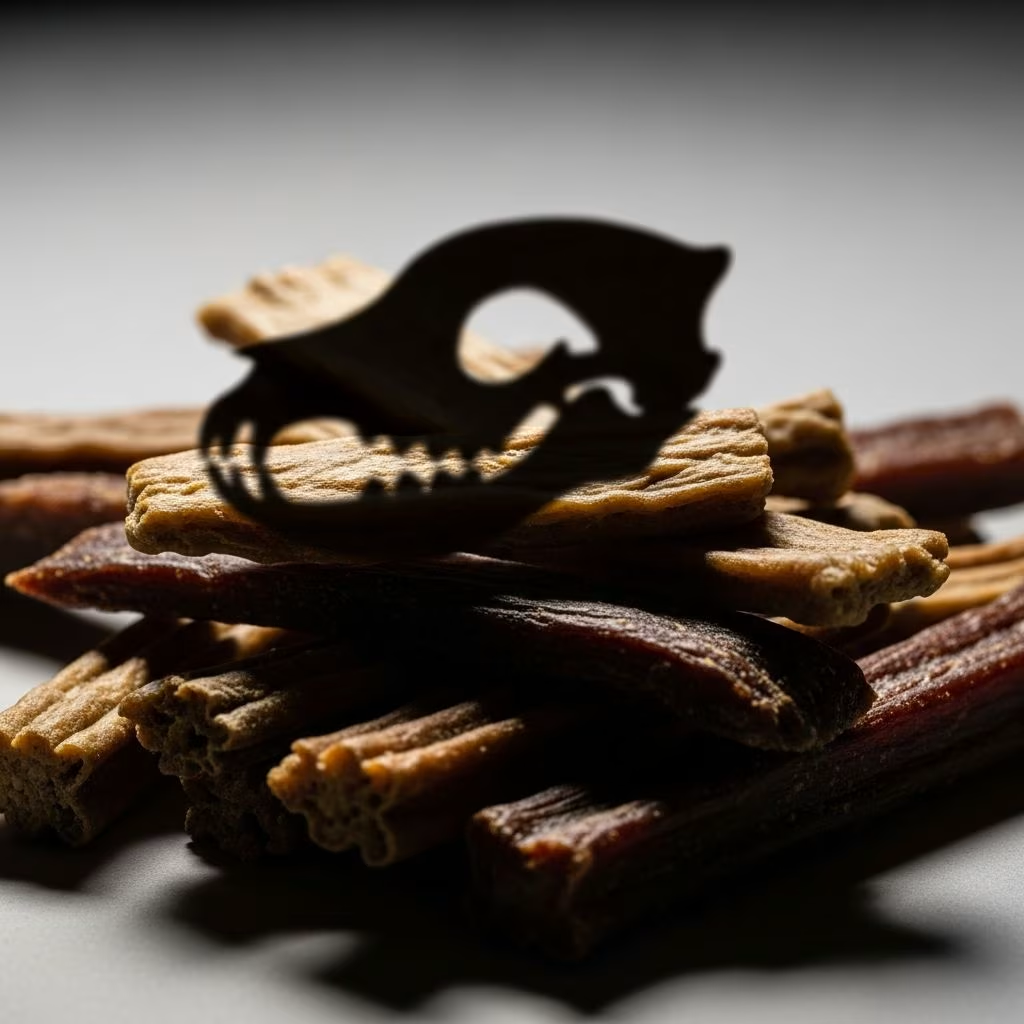
Pet owners often reach for jerky treats as a convenient way to reward their dogs, but these popular snacks have been tied to severe health crises for nearly two decades. Since 2007, regulatory bodies and veterinarians have documented thousands of cases where dogs suffered from vomiting, kidney damage, and even death after consuming chicken, duck, or sweet potato jerky products, many imported from China. Despite warnings, these treats remain on shelves, posing risks especially to smaller breeds.
The Alarming History of Jerky Treat Outbreaks
The crisis began gaining attention in 2007 when veterinarians noticed an unusual spike in rare kidney disorders among dogs. What started as isolated reports evolved into a widespread investigation by the U.S. Food and Drug Administration (FDA), which by 2015 had logged approximately 5,200 complaints involving over 6,200 dogs, 26 cats, and even three humans, with more than 1,140 canine fatalities. These numbers highlight a pattern: gastrointestinal issues in about 60% of cases, kidney or urinary problems in 30%, and other symptoms like seizures or skin reactions in the remaining 10%.
Early alerts focused on chicken jerky tenders and strips, but the problem expanded to include duck and sweet potato varieties, as well as those combined with fruits or rawhide. Purdue University’s Animal Disease Diagnostic Laboratory noted clinical signs appearing within hours to days, including anorexia, dehydration, bloody vomiting or diarrhea, weakness, excessive thirst, and urination. Australian vets echoed these findings, reporting that preserved meat treats triggered proximal renal tubulopathy, a precursor to full kidney failure.
Understanding Fanconi-Like Syndrome in Dogs
At the heart of many jerky-related illnesses is Fanconi-like syndrome (FLS), a condition where the kidneys’ proximal tubules fail to reabsorb essential nutrients, leading to their loss in urine. This acquired form differs from genetic versions and has been confirmed in numerous dogs post-jerky consumption. The FDA identified FLS markers persisting in 71% of retested dogs four months after stopping the treats, underscoring potential long-term damage.
Symptoms of FLS mimic chronic kidney disease: increased drinking and urination, house soiling, weight loss, lethargy, and appetite loss. In severe cases, it progresses to pancreatitis, gastrointestinal bleeding, or outright renal failure. Necropsies of affected dogs often reveal tubule changes, though other causes like cancer or infections complicate attribution. Small and toy breeds appear disproportionately affected, possibly due to higher relative doses, but all sizes and ages have been impacted—even from a single treat.
| Symptom Category | Percentage of Cases | Common Signs |
|---|---|---|
| Gastrointestinal | 60% | Vomiting, diarrhea (with blood/mucus), anorexia |
| Kidney/Urinary | 30% | Excessive thirst/urination, Fanconi syndrome |
| Other | 10% | Seizures, tremors, hives, skin issues |
This table summarizes FDA-reported distributions, emphasizing the dominance of digestive and renal complaints.
Why Do Jerky Treats Cause These Problems?
The exact toxin remains elusive despite extensive testing. Initial suspicions pointed to antibiotics, pesticides, or heavy metals in Chinese imports, but results were inconclusive. Some experts hypothesize processing contaminants, including irradiation used by manufacturers like Nestle Purina to sterilize products—a method now under FDA scrutiny. Australian cases from non-Chinese sources suggest broader issues in preservation or formulation.
Dose-dependency plays a role: smaller dogs fed treats exceeding label recommendations face higher risks. Yet, the insidious nature of damage means symptoms emerge slowly, delaying intervention. By diagnosis time, irreversible harm may have occurred, with recovery rates high only under prompt veterinary care and treat discontinuation.
Recognizing Early Warning Signs
Vigilance is crucial. Watch for:
- Sudden vomiting or diarrhea, possibly bloody
- Lethargy or reduced activity
- Increased water intake and urination
- Loss of appetite or weight
- Uncharacteristic house soiling
These can onset rapidly but often creep in, mimicking milder issues. If linked to recent jerky feeding, seek immediate vet attention for bloodwork, urinalysis, and FLS screening.
Veterinary Insights and Real-World Cases
Vets report frustration over unregulated pet treats. One clinic described a dog named Millie, who developed kidney issues from generic jerky, highlighting how tasty allure masks danger. Northeast Animal Hospital tracked over 3,600 FDA complaints by an earlier count, with 580 deaths and lasting illnesses in survivors. An Australian Veterinary Journal study of 102 cases confirmed higher mortality in small breeds, with six losses.
Post-mortems reveal mixed causes, but kidney tubule damage consistently appears in FLS-positive dogs. Treatment involves IV fluids, medications, and dietary shifts, yielding good prognoses if caught early.
FDA’s Ongoing Investigation and Actions
The FDA’s probe, spanning years, includes product testing, necropsies, and FLS monitoring. No single contaminant has been pinpointed, but alerts urge avoiding jerky treats altogether, as they’re non-essential. Complaints continue into recent years, with 2025 vet warnings about China-made products. Owners are advised to report illnesses via FDA portals for trend tracking.
Safer Alternatives to Jerky Treats
Opt for U.S.-made, single-ingredient treats like freeze-dried liver or vegetables. Homemade options—baked sweet potato slices or plain cooked chicken—offer control. Always introduce new foods gradually and limit to 10% of diet. Consult vets for breed-specific recommendations.
- Freeze-dried meats from reputable domestic brands
- Vegetable chews (carrots, green beans)
- DIY dehydrated fruits (apples, blueberries—no seeds)
- Commercial kibble toppers vetted for safety
Prevention Strategies for Pet Owners
Empower yourself:
- Read labels: Avoid imports, especially chicken/duck jerky.
- Buy from trusted, transparent manufacturers.
- Monitor portions and observe post-treat behavior.
- Maintain regular vet checkups with urine/kidney panels.
- Report suspicions to FDA and your vet.
Education curbs risks; many dogs recover fully with swift action.
FAQs on Jerky Treat Risks
Are all jerky treats dangerous?
No, but those with chicken, duck, or sweet potato—especially imports—carry high risks based on FDA data.
Can my large dog eat jerky safely?
No breed or size is immune; even one treat has caused illness.
What if my dog shows symptoms?
Stop treats immediately, hydrate, and visit a vet for FLS testing.
Have recalls stopped the problem?
No; voluntary recalls occur, but contaminated products persist.
Are there safe jerky brands?
Stick to domestic, non-jerky styles; verify with recent FDA updates.
The Bigger Picture: Pet Food Regulation Gaps
Weak oversight allows hazardous treats to proliferate. Vets call for stricter import testing and labeling. Until resolved, owner awareness is the frontline defense. By choosing wisely, you safeguard your dog’s health amid ongoing uncertainties.
References
- Chicken Jerky Treats Associated with Illness in Dogs — Purdue University Animal Disease Diagnostic Laboratory. 2012. https://www.addl.purdue.edu/Newsletters/2012/Winter/Chicken.aspx
- Beware Chicken or Duck Jerky Treats for Dogs — Walkerville Vet. 2020-11-29. https://www.walkervillevet.com.au/blog/jerky-treats-danger/
- Update on Jerky-related Illness — Northeast Animal Hospital. N/A. https://northeastanimalhospital.com/news/update-jerky-related-illness
- Safety Alert on Jerky Treats for Pets — Northeast Veterinary Clinic. N/A. https://nevc.com/patient-education/keep-them-safe/safety-alert-on-jerky-treats-for-pets/
- FDA Investigates Animal Illnesses Linked to Jerky Pet Treats — U.S. Food and Drug Administration. 2015-12-31. https://www.fda.gov/animal-veterinary/outbreaks-and-advisories/fda-investigates-animal-illnesses-linked-jerky-pet-treats



