

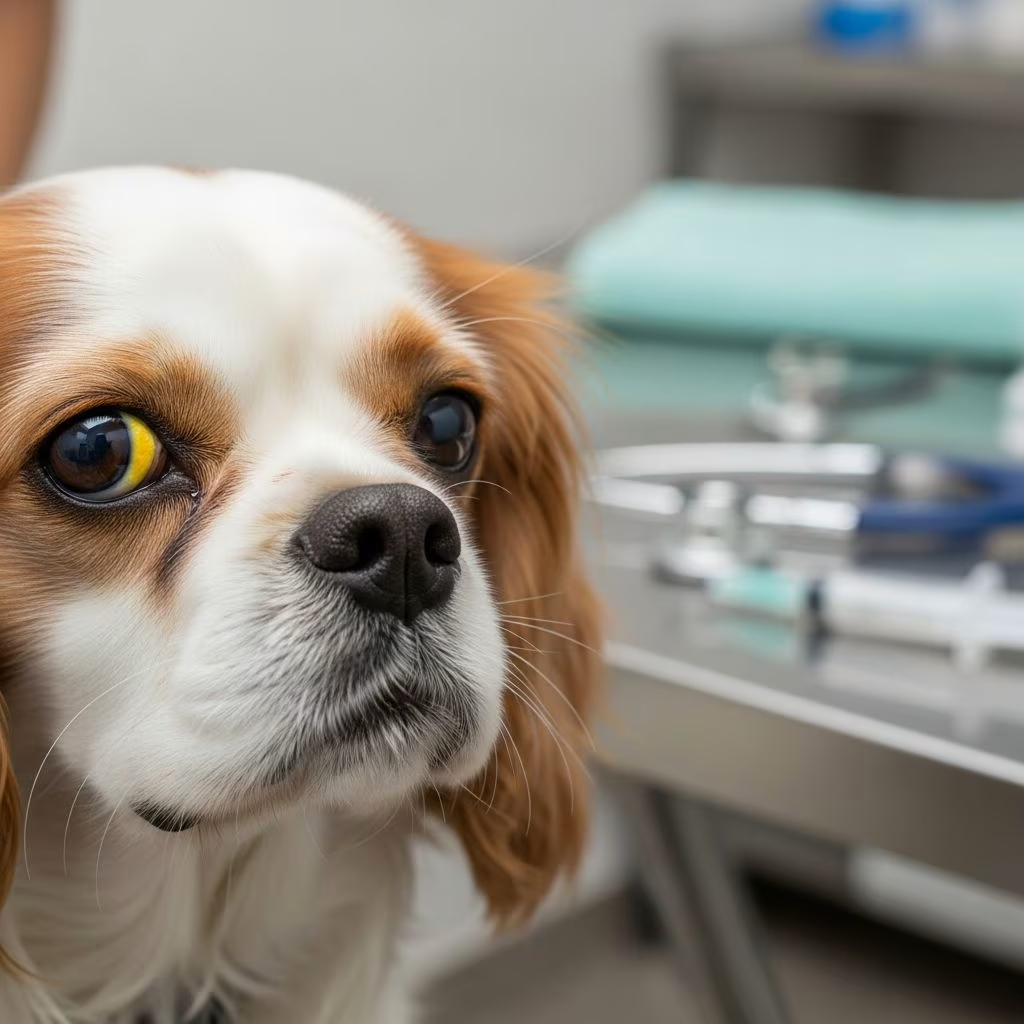
Jaundice, characterized by yellow discoloration of the skin, mucous membranes, and sclera due to elevated bilirubin levels, signals significant hepatic or biliary dysfunction in small animals like dogs and cats. This condition often arises from pre-hepatic, hepatic, or post-hepatic disruptions in bilirubin metabolism, requiring prompt veterinary intervention to prevent progression to severe liver failure.
Understanding Bilirubin Dynamics in Pets
Bilirubin, a byproduct of red blood cell breakdown, undergoes complex processing in the liver. Unconjugated bilirubin from heme catabolism binds to albumin in plasma and enters hepatocytes via facilitated transport. Inside liver cells, it conjugates with glucuronic acid, becoming water-soluble for excretion into bile. Any interruption—whether excessive production, impaired uptake, conjugation defects, or biliary obstruction—leads to hyperbilirubinemia and visible icterus.
In small animals, normal total bilirubin ranges from 0.1-0.4 mg/dL. Levels exceeding 2-3 mg/dL typically manifest clinically, with fractionation into direct (conjugated) and indirect (unconjugated) forms aiding differential diagnosis. Dogs tolerate higher levels before showing signs compared to cats, where even mild elevations can indicate serious pathology.
Primary Causes of Jaundice Across Categories
Jaundice classifies into three main types based on origin:
- Pre-hepatic: Excessive hemolysis overwhelms hepatic capacity, as in immune-mediated hemolytic anemia (IMHA), babesiosis, or onion toxicity. Unconjugated bilirubin predominates, with regenerative anemia and spherocytes on blood smear.
- Hepatic: Parenchymal damage impairs bilirubin handling. Causes include toxic insults (e.g., xylitol, acetaminophen), infectious hepatitis (leptospirosis), neoplasia, or chronic conditions like copper-associated hepatopathy in breeds like Bedlington Terriers.
- Post-hepatic: Obstruction prevents bile flow, elevating conjugated bilirubin. Gallstones, pancreatitis, or neoplasia compressing ducts are common culprits, often with pale feces and elevated liver enzymes.
| Type | Main Causes | Bilirubin Type | Key Labs |
|---|---|---|---|
| Pre-hepatic | IMHA, toxins, infections | Unconjugated | Anemia, spherocytes |
| Hepatic | Toxins, infection, neoplasia | Mixed | ↑ ALT/AST, ALP/GGT |
| Post-hepatic | Obstruction, pancreatitis | Conjugated | ↑ ALP/GGT, normal ALT |
Clinical Presentation and Recognition
Owners often notice yellow gums, ears, or skin, alongside lethargy, anorexia, vomiting, or dark urine. In chronic cases, weight loss and polyuria/polydipsia signal portal hypertension or secondary renal effects. Cats may present with vague signs like hiding or dehydration before overt icterus.
Physical exam reveals icteric membranes, hepatomegaly, or ascites in advanced disease. Hepatic encephalopathy manifests as depression, head pressing, seizures, or ammonia breath odor, stemming from portosystemic shunting and neurotoxin accumulation.
Diagnostic Strategies for Accurate Assessment
Initial bloodwork includes complete blood count (CBC), biochemistry panel, and bile acids. Elevated alanine aminotransferase (ALT) and aspartate aminotransferase (AST) indicate hepatocellular injury, while alkaline phosphatase (ALP) and gamma-glutamyl transferase (GGT) rise in cholestasis. Total solids, albumin, and urea assess synthetic function; hypoglycemia or hypoalbuminemia flags severe failure.
- CBC: Detects hemolysis or thrombocytopenia.
- Biochem: Fractionated bilirubin, enzymes, coagulation profile.
- Urinalysis: Bilirubinuria suggests conjugated hyperbilirubinemia.
- Imaging: Ultrasound evaluates liver texture, bile duct dilation, or masses.
- Biopsy: Gold standard for histopathology, confirming fibrosis, necrosis, or neoplasia.
Bile acid stimulation tests confirm shunting, with post-prandial levels >30-50 μmol/L diagnostic in portosystemic shunts.
Pathophysiological Mechanisms Driving Jaundice
Hepatic macrophages (Kupffer cells) phagocytose debris but release cytokines during overload, amplifying injury. Centrilobular zones, rich in cytochrome P450, suffer most from toxins generating reactive oxygen species. Chronic inflammation evolves into fibrosis, cirrhosis, reducing functional mass and promoting shunts.
In dogs, steroid hepatopathy from glucocorticoids induces glycogen vacuolation and G-ALP isoenzyme, mimicking primary disease. Reactive hepatopathies secondary to sepsis or hypoxia show reversible vacuolar changes without fibrosis.
Breed Predispositions and Genetic Factors
- Dogs: Labrador Retrievers prone to copper storage; Dobermans to chronic hepatitis.
- Cats: Hepatic lipidosis from anorexia, with fat accumulation impairing function.
- Bedlington Terriers: COMMD1 mutation causes extreme copper buildup (>10,000 μg/g DW).
Genetic screening aids prevention in at-risk breeds.
Treatment Approaches Tailored to Cause
Supportive care forms the cornerstone: IV fluids for hydration, antiemetics (maropitant), hepatoprotectants (SAMe, silymarin). Ursodeoxycholic acid promotes bile flow in cholestasis; lactulose/silibinin manage encephalopathy.
Cause-specific: Antibiotics for leptospirosis, chelators (penicillamine) for copper hepatopathy, surgery for obstructions. Nutritional support via feeding tubes prevents lipidosis in cats.
Prognostic Indicators and Monitoring
Favorable prognosis in pre-hepatic or reversible hepatic cases; guarded in cirrhosis or neoplasia. Monitor serial enzymes, bilirubin, and bile acids. Coagulopathies (prolonged PT/PTT) predict poor outcomes due to factor deficiencies.
Preventive Measures for Pet Owners
Avoid toxins (chocolate, grapes), vaccinate against leptospirosis, maintain ideal weight to prevent lipidosis. Routine bloodwork in predisposed breeds enables early detection.
Frequently Asked Questions (FAQs)
What does yellow skin mean in my dog?
It indicates jaundice from bilirubin buildup, often liver-related; seek vet care immediately.
Can jaundice resolve on its own in cats?
Rarely; hepatic lipidosis requires aggressive feeding and support.
How do vets test for liver shunts?
Bile acid tests and ultrasound; confirmatory via scintigraphy or CT.
Is jaundice contagious?
No, but infectious causes like lepto may be zoonotic.
What diet helps jaundiced pets?
High-protein, low-copper if needed; enteral nutrition preferred.
References
- Physiology, Pathophysiology, and Anesthetic Management of Patients with Hepatic Disease — Veterian Key. 2023. https://veteriankey.com/physiology-pathophysiology-and-anesthetic-management-of-patients-with-hepatic-disease/
- Overview of Pathophysiology of Hepatic Disease in Small Animals — Merck Veterinary Manual. 2023. https://www.merckvetmanual.com/digestive-system/pathophysiology-of-hepatic-disease-in-small-animals/overview-of-pathophysiology-of-hepatic-disease-in-small-animals
- Recognizing and treating common liver diseases (Proceedings) — dvm360. 2022. https://www.dvm360.com/view/recognizing-and-treating-common-liver-diseases-proceedings
- ACVIM consensus statement on the diagnosis and treatment of chronic hepatitis in dogs — PMC (PubMed Central). 2019-05-20. https://pmc.ncbi.nlm.nih.gov/articles/PMC6524396/
- Overview of Hepatic Disease in Large Animals — Merck Veterinary Manual. 2023. https://www.merckvetmanual.com/digestive-system/hepatic-disease-in-large-animals/overview-of-hepatic-disease-in-large-animals



