

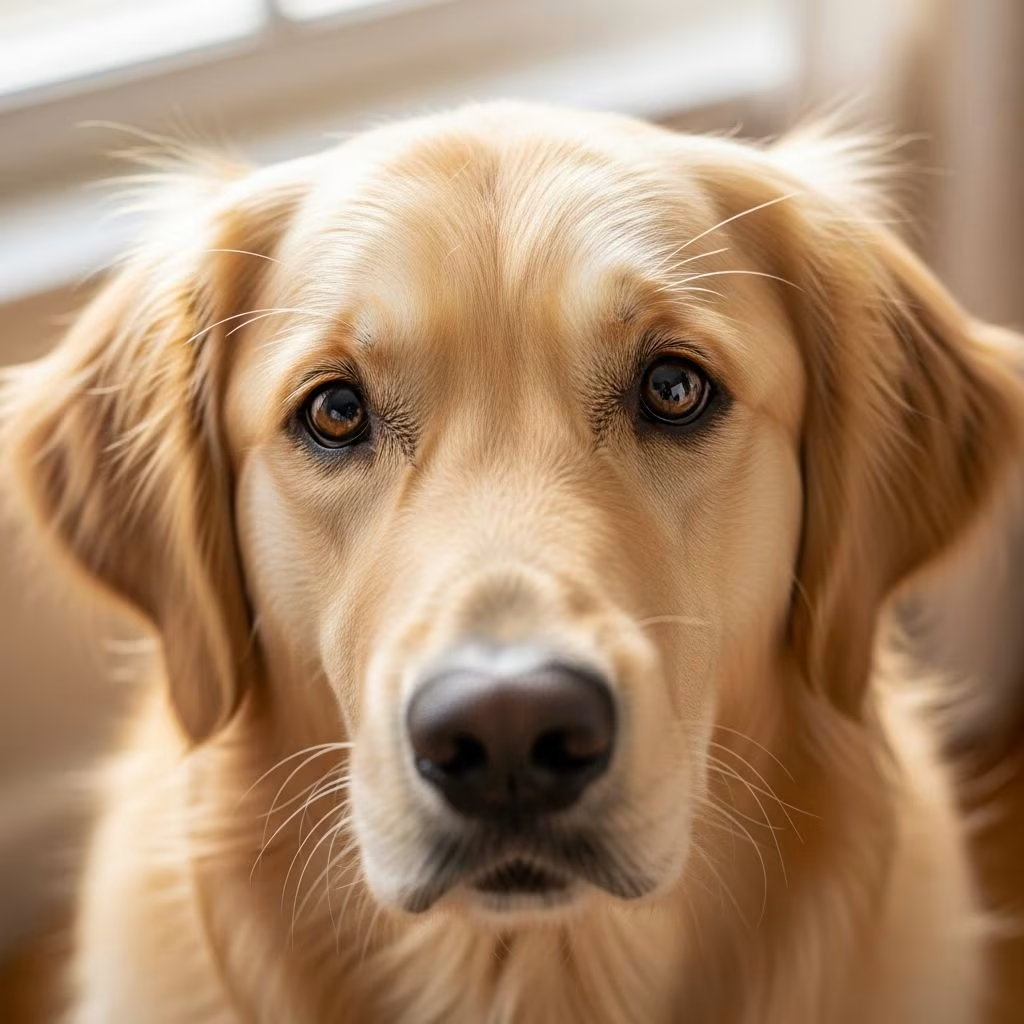
Jaundice, or icterus, appears as yellow discoloration in a dog’s skin, gums, eyes, and ears due to excess bilirubin in the blood. This condition stems from liver dysfunction, rapid red blood cell breakdown, or bile flow blockages, requiring prompt veterinary intervention for the best outcomes.[10]
Recognizing the Signs of Jaundice
Dogs with jaundice often show visible yellowing in mucous membranes, starting subtly on gums or eye whites before spreading. Owners might notice pale or yellowish ears, skin, or urine turning orange-brown, while feces become light-colored from poor bile excretion.
- Lethargy and weakness: Reduced energy levels signal systemic impact.
- Loss of appetite: Refusal to eat worsens dehydration and nutrient deficits.
- Vomiting or diarrhea: Digestive upset accompanies liver strain.
- Abdominal tenderness: Pain from organ swelling or inflammation.
- Dark urine: Indicates bilirubin concentration.
Early detection through these signs allows for faster diagnosis, as delays can lead to liver failure.
Primary Causes Behind Yellowing in Dogs
Jaundice categorizes into pre-hepatic, hepatic, and post-hepatic types based on bilirubin’s journey from red blood cells to excretion.
Pre-Hepatic Factors: Excess Bilirubin Production
These occur when red blood cells break down excessively, overwhelming the liver. Immune-mediated hemolytic anemia (IMHA) triggers the body’s attack on its cells, while parasites like ticks or infections such as leptospirosis accelerate destruction.
| Cause | Description | Common Triggers |
|---|---|---|
| IMHA | Autoimmune red cell destruction | Idiopathic, drugs, vaccines |
| Blood Parasites | Toxins from infections | Ehrlichiosis, babesiosis |
| Toxicity | Poison-induced hemolysis | Onions, zinc, acetaminophen |
Hepatic Issues: Liver Processing Failures
The liver’s inability to conjugate or excrete bilirubin defines hepatic jaundice. Chronic hepatitis, cirrhosis, infections like adenovirus, or toxins such as aflatoxins impair function. Cancer or copper storage diseases add to chronic cases.
Post-Hepatic Blockages: Bile Flow Interruptions
Obstructions prevent bilirubin elimination, causing backups. Gallbladder mucoceles, stones, tumors, or pancreatitis compress ducts, leading to rapid yellowing.
How Vets Diagnose Jaundice
Veterinarians start with a physical exam noting yellowing, then order blood tests for bilirubin levels, liver enzymes (ALT, AST), and complete blood counts to check anemia. Urinalysis reveals bilirubinuria, while imaging like ultrasound detects masses or fluid.[10]
- Bile acid tests assess liver capacity.
- Coagulation profiles evaluate clotting risks.
- Biopsies confirm chronic diseases.
These pinpoint whether issues are pre-hepatic (high indirect bilirubin), hepatic (mixed), or post-hepatic (direct bilirubin elevation).
Treatment Approaches for Affected Dogs
Tailored to the cause, therapy combines supportive care with targeted interventions. Hospitalization often provides IV fluids to combat dehydration and flush toxins.
Supportive Therapies
Essential for stabilization:
- IV fluids for hydration and electrolyte balance.
- Anti-nausea drugs like maropitant.
- Appetite stimulants such as mirtazapine.
- Antacids and digestive enzymes for GI relief.
- Pain management with appropriate analgesics.
Medications Targeting Root Causes
Antibiotics combat bacterial infections like leptospirosis; steroids or immunosuppressants (azathioprine, cyclosporine) manage IMHA. Liver protectants include SAMe, silymarin, vitamins E/K, and ursodiol for bile support.
Advanced Interventions
Surgery removes gallstones or mucoceles; blood transfusions aid severe anemia. Cancer cases may need chemotherapy.
| Treatment Type | Examples | Indications |
|---|---|---|
| Medications | Antibiotics, steroids, SAMe | Infections, IMHA, liver support |
| Nutrition | Hepatic diets, low-fat | All cases for liver relief |
| Surgery | Bile duct clearance | Obstructions, tumors |
Nutritional Management
Hepatic diets low in copper/fat, high in digestible proteins aid regeneration. Feeding tubes ensure intake during anorexia.
Prognosis and Long-Term Outlook
Recovery hinges on cause and timeliness. Acute infections or toxicities often resolve fully with care, while chronic hepatitis or cancer carries guarded prognoses. Many dogs regain normalcy post-IMHA treatment.
Monitoring via serial bloodwork tracks progress; lifelong meds suit ongoing conditions.
Steps for Prevention
Proactive measures reduce risks:
- Vaccinations: Against leptospirosis, adenovirus.
- Parasite control: Ticks, heartworms via preventives.
- Toxin avoidance: Secure human meds, onions, palms.
- Regular checkups: Blood panels for at-risk breeds (e.g., Bedlington Terriers for copper issues).
- Balanced diet: Avoid fatty excesses.
Breeds like Labrador Retrievers face higher mucocele risks; vigilance pays off.
Frequently Asked Questions
Is jaundice always fatal in dogs?
No, many recover with early care; outcomes vary by cause.
Can I treat jaundice at home?
No, professional diagnosis is essential; home efforts support but don’t replace vet care.
How long does recovery take?
Weeks for acute cases, lifelong for chronic; depends on response.
Why do some dogs’ eyes turn yellow first?
Sclerae are thin, showing bilirubin buildup earliest.
Does diet alone fix jaundice?
It supports but doesn’t address underlying issues.
Monitoring Your Dog Post-Treatment
Watch for recurring yellowing, appetite changes, or lethargy. Monthly vet visits with labs ensure stability. Adjust diets as advised to prevent relapse.
References
- Jaundice In Dogs and Treatment — Cuddlytails. 2023. https://www.cuddlytails.com/blogs/jaundice-in-dogs-and-treatment/
- Jaundice in Dogs: Causes, Symptoms, and Treatment — PetCareRx. 2023. https://www.petcarerx.com/article/jaundice-in-dogs-causes-symptoms-and-treatment/6657
- Jaundice in Dogs: Signs, Causes, Treatment and Prognosis — Vetic. 2024. https://vetic.in/blog/pet-health/jaundice-in-dogs-signs-causes-treatment-and-prognosis/
- Jaundice in Dogs — PetMD. 2024-01-15. https://www.petmd.com/dog/conditions/digestive/jaundice-dogs
- Jaundice in Dogs: Symptoms, Causes & Liver Support Guide — RxSciences. 2023. https://www.rxsciences.co/post/jaundice-in-dogs-symptoms-causes-liverrx-support
- Why does my dog have jaundice? — South Lincs Vets. 2019-01. https://www.southlincsvets.co.uk/blog/january-2019/why-does-my-dog-have-jaundice
- Jaundice in Dogs: Signs, Symptoms, Treatment — AKC.org. 2023. https://www.akc.org/expert-advice/health/jaundice-in-dogs/



