

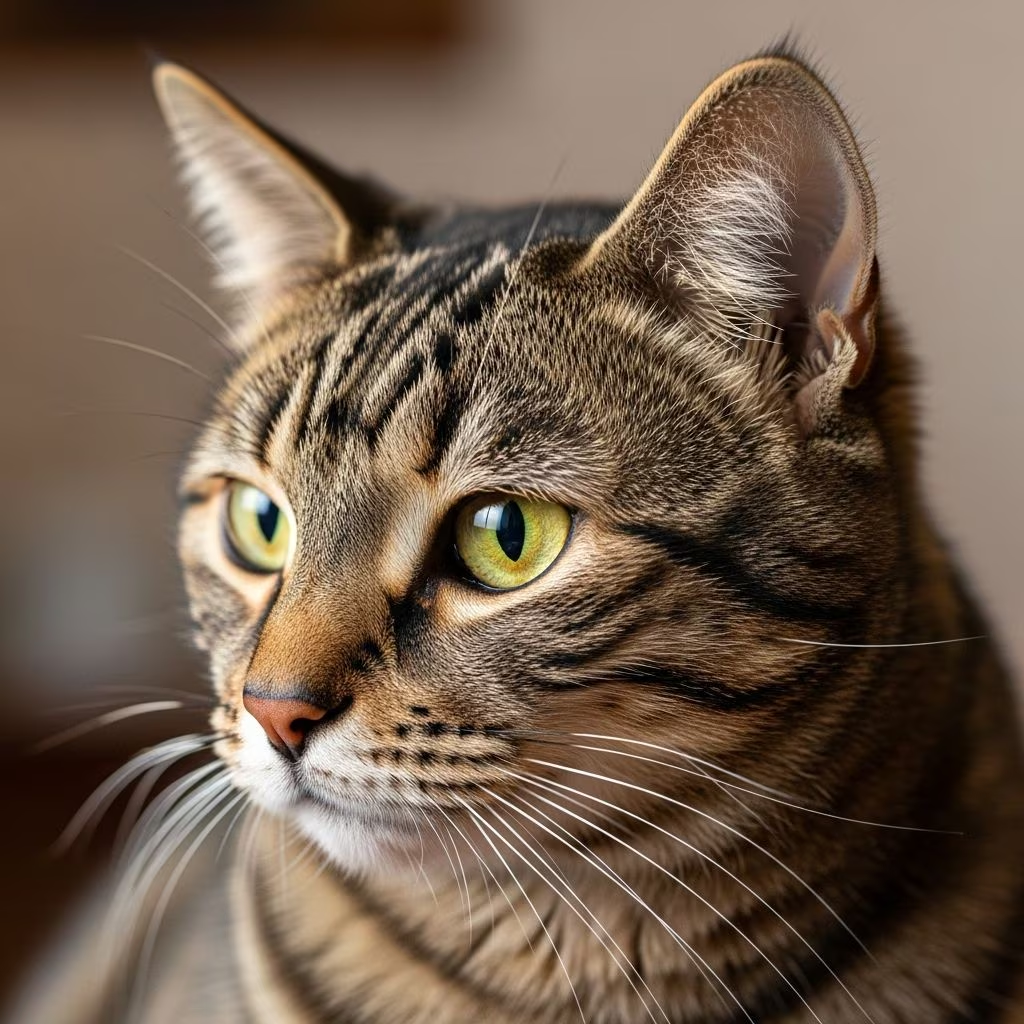
Jaundice, or icterus, manifests as a yellowish tint in a cat’s skin, gums, eyes, and ears due to bilirubin buildup in the blood and tissues. This condition signals underlying problems like liver dysfunction or rapid red blood cell breakdown, demanding immediate veterinary attention to prevent organ damage.
Recognizing the Signs of Jaundice Early
Cat fur often hides yellowing on the skin, so check high-moisture areas: gums, inner ears, eye whites (sclera), and paw pads. Early detection improves outcomes, as jaundice progresses quickly.
- Visible yellow discoloration: Gums, sclera, ear pinnae, and skin around lips or nose.
- Behavioral shifts: Lethargy, reduced appetite, vomiting, or hiding more than usual.
- Physical changes: Dark urine, pale or orange-tinted stools, dehydration, weight loss, or abdominal swelling.
- Associated symptoms: Fever, pain when touched (especially abdomen), or rapid breathing.
These signs overlap with many illnesses, but yellow pigmentation sets jaundice apart. Kittens and seniors face higher risks due to immature or weakened systems.
Why Bilirubin Builds Up: The Science Behind It
Bilirubin forms from hemoglobin breakdown in old red blood cells. Normally, the liver processes it into bile for excretion. Excess occurs if red cells destroy too fast (prehepatic), liver fails to process (hepatic), or bile ducts block (posthepatic).
| Type | Description | Common Triggers |
|---|---|---|
| Prehepatic | Excessive red blood cell destruction floods system with bilirubin. | Infections (Mycoplasma, Babesia), toxins, immune reactions, FIV/FIP. |
| Hepatic | Liver damage impairs bilirubin processing. | Hepatic lipidosis, cholangitis, lymphoma, toxins, sepsis. |
| Posthepatic | Bile flow obstructed after liver. | Bile stones, pancreatitis, flukes, tumors, triaditis. |
This classification guides vets toward targeted tests and therapies.
Common Culprits: Infections Leading to Jaundice
Infectious agents top the list for prehepatic jaundice. Protozoa like Cytauxzoon felis cause severe hemolysis, while Mycoplasma haemofelis attacks red cells directly. FIP and FIV weaken immunity, enabling secondary infections.
Hepatic cases often stem from cholangiohepatitis (bile duct inflammation) or lipidosis from fasting/starvation. Posthepatic blockages frequently involve pancreatitis or flukes like Platynosomum fastosum in endemic areas.
- Parasitic threats: Liver flukes require praziquantel; severe cases need surgery.
- Viral foes: FIP has poor prognosis; supportive care only.
- Toxin exposures: Acetaminophen, lilies, or rodenticides destroy cells or liver.
Genetic factors like amyloidosis or hypophosphatemia add complexity in purebreds.
Diagnostic Journey: Tests That Uncover the Cause
Vets start with history, exam, then escalate to labs. No single test suffices; a panel reveals the category.
- Bloodwork: CBC detects anemia, infection, or immature red cells; biochemistry profiles elevated liver enzymes (ALT, AST), bilirubin, and bile acids.
- Imaging: Ultrasound spots bile duct dilation, masses, or lipidosis; X-rays rule out stones.
- Advanced sampling: Liver biopsy, fine-needle aspirate, or bile analysis confirms cholangitis or cancer.
- Special tests: Coagulation panels for bleeding risks; PCR for infections like FIP.
Urinalysis checks bilirubin in urine (hepatic/posthepatic marker). Swift diagnostics prevent multi-organ failure.
Treatment Strategies: Tailored to the Root Problem
Supportive care buys time: IV fluids combat dehydration, anti-nausea meds (maropitant) aid eating, pain relief (buprenorphine) eases discomfort. Liver protectants like SAMe or milk thistle derivatives support regeneration.
Cause-specific interventions vary:
- Prehepatic infections: Antibiotics (doxycycline for Mycoplasma), antiprotozoals; transfusions for severe anemia.
- Hepatic inflammation: Potent antibiotics (amoxicillin-clavulanate, enrofloxacin) for 2 months; steroids (prednisolone) for lymphocytic cholangitis.
- Posthepatic blocks: Surgery for stones/flukes; stents or drainage for tumors.
- Nutritional therapy: Esophageal feeding tubes for lipidosis; high-calorie diets prevent relapse.
Hospitalization is common for stability. Home care follows with meds and monitoring.
Prognosis: What Influences Recovery Odds
Outcomes hinge on cause and speed. Protozoal infections respond well to early drugs; 80-90% survival with prompt care. Lipidosis reverses in most with feeding.
Guarded cases: FIP (often fatal), advanced cancer, or sepsis. Biliary obstructions need surgery; success rates 50-70% if uncomplicated. Chronic issues like IMHA demand lifelong management.
Monitor post-treatment: Repeat bloodwork tracks bilirubin drop. Appetite return signals progress.
Prevention Tips for Proactive Cat Owners
Minimize risks through routine care:
- Annual vet exams with vaccines/core tests (FIV/FIP screening).
- Flea/tick preventives block vectors for Babesia/Mycoplasma.
- Toxin-proof home: No human meds, secure plants/chemicals.
- Balanced diet; avoid sudden fasting—offer food during stress.
- Watch weight; obesity fuels lipidosis.
Early intervention via symptom awareness saves lives.
Frequently Asked Questions About Jaundice in Cats
Is jaundice painful for cats?
Depends on cause—abdominal issues like pancreatitis cause discomfort; hemolysis less so. Pain meds help.
Can I treat my jaundiced cat at home?
No—underlying issues require professional diagnosis/treatment. Delays worsen prognosis.
Why do kittens get jaundice more often?
Immature livers, parasites from fleas, or congenital defects heighten vulnerability.
Is jaundice contagious between cats?
Not directly, but causes like FIP or Mycoplasma can spread via contact.
How long does recovery take?
Weeks to months; depends on cause. Lipidosis: 4-6 weeks with feeding.
What diet supports a recovering cat?
High-protein, moderate-fat prescription foods; small frequent meals.
References
- Jaundice in Cats: Why is my cat’s skin yellow? — Vetic. 2023. https://vetic.in/blog/pet-health/jaundice-in-cats-why-is-my-cats-skin-yellow/
- Yellow Eyes/Skin (Jaundice) in Cats — Vetster. 2024. https://vetster.com/en/symptoms/cat/yellow-eyes-skin-jaundice-in-cats
- What To Do If Your Cat Suffers From Jaundice — PetCareRx. 2023. https://www.petcarerx.com/article/what-to-do-if-your-cat-suffers-from-jaundice/5155
- Icterus (Jaundice) in Cats — VCA Animal Hospitals. 2024. https://vcahospitals.com/know-your-pet/icterus-or-jaundice-in-cats
- Feline Jaundice — PMC – NIH. 2024-01-15. https://pmc.ncbi.nlm.nih.gov/articles/PMC10829111/
- The Yellow Cat: Diagnostic and Therapeutic Strategies — Today’s Veterinary Practice. 2023. https://todaysveterinarypractice.com/gastroenterology/the-yellow-cat-diagnostic-therapeutic-strategiesce-article/



