

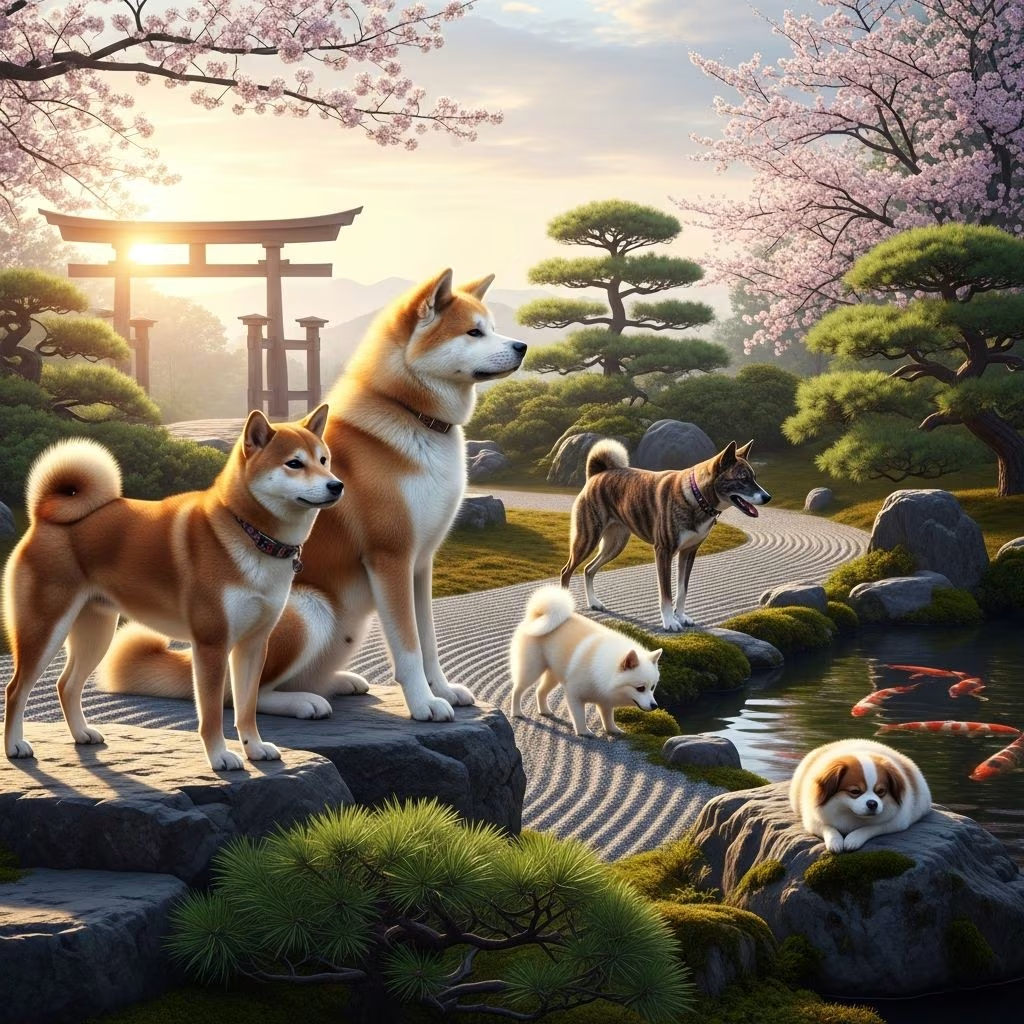
Japan has a rich and fascinating relationship with dogs that spans centuries. From the loyal Akita immortalized by Hachiko to the spirited Shiba Inu, Japanese dog breeds represent some of the world’s most distinctive and beloved canine companions. These breeds carry deep cultural significance and reflect Japan’s unique approach to dog breeding, emphasizing loyalty, intelligence, and strong temperament. In modern Japan, dogs are cherished family members, and the popularity of Japanese breeds continues to grow both domestically and internationally.
The History and Cultural Significance of Japanese Dog Breeds
Japanese dog breeds possess a storied heritage deeply intertwined with Japan’s cultural and historical development. Many of these breeds were originally developed for hunting and working purposes, reflecting the needs of feudal Japan and mountain communities. What distinguishes Japanese dogs from other breeds is their exceptional loyalty to their owners and their strong, independent character. This makes them ideal for experienced dog owners who understand their unique temperament and needs.
During the feudal period, samurai valued certain dog breeds for their guarding and hunting abilities. The Akita, in particular, was favored by samurai for protecting estates and hunting large game like bears. Today, these working heritage traits remain embedded in the breed’s DNA, contributing to their protective and loyal nature.
Major Japanese Dog Breeds
Akita Inu: The Icon of Loyalty
The Akita Inu stands as perhaps the most famous Japanese dog breed worldwide, largely due to the legendary story of Hachiko, the loyal dog who waited for his deceased owner to return home for ten years. Originally bred as a hunting dog in Akita Prefecture in Odate City, the Akita was recognized as a national monument by Emperor Hirohito in 1931. The breed exemplifies unwavering devotion and protective instinct.
Akitas are affectionate and brave with their families but may display caution or aloofness toward strangers due to their protective genetics. These large, powerful dogs require experienced owners who can provide proper training and socialization. Their double coat provides excellent protection in cold climates, and they typically have a dignified bearing that commands respect.
Shiba Inu: Japan’s Spirited Companion
The Shiba Inu ranks among the oldest and smallest of Japan’s native dog breeds. Originally used for hunting small game in mountainous regions near the Sea of Japan, the Shiba was declared a national monument in 1937. Today, this breed has become one of the most popular Japanese dogs worldwide, recognized for its distinctive reddish-brown or black coat and fox-like appearance.
Shibas are characterized by their small, pointed ears, wedge-shaped snout, and distinctive curled tail that curves over their back. Despite their compact size, these dogs possess strong personalities and independent streaks. They are intelligent, loyal to their owners, and make excellent hunting dogs. Their popularity in Japan has made them a top contender in annual dog breed rankings, consistently competing alongside Toy Poodles and Chihuahuas for the title of most popular breed.
Hokkaido Dog: The Mountaineer
The Hokkaido dog originates from Japan’s northernmost island and represents another significant native breed. These dogs are alert, intelligent, and bold, with impressive stamina for outdoor activities and work alongside their owners. Originally bred to hunt in mountainous terrain and harsh climates, Hokkaido dogs developed a thick double coat that provides superior protection against cold weather.
Generally laid back and faithful, Hokkaido dogs are protective of their owners but require early socialization to prevent excessive wariness of strangers. Their athletic build and natural hunting instincts make them excellent companions for active families who can provide adequate exercise and mental stimulation.
Kai Ken: The Mountain Hunter
Hailing from the mountainous Kai Province in Yamanashi Prefecture, the Kai Ken is a rare breed even within Japan. Historically used for hunting, these dogs possessed the agility and strength necessary to chase large game, including bears, across rocky terrain. Remarkably, Kai Ken have the ability to climb trees, demonstrating their exceptional athletic prowess and specialized hunting capabilities.
Kai Ken are highly intelligent, quick learners devoted to their owners and eager to please. However, their strong prey drive, agility, and speed require experienced owners who can manage their hunting instincts appropriately. These athletic dogs thrive when given tasks to complete alongside their owners.
Kishu Ken: The Noble Guardian
The Kishu Ken represents another impressive Japanese hunting breed known for its noble and strong-willed temperament. Originally developed as a hunting dog, the Kishu possesses a loyal nature and protective disposition toward its family. However, early socialization is crucial, as the breed has a natural protective nature and a strong prey drive.
Kishu Ken are aloof and protective, making faithful companions for families willing to invest in proper training. Due to their strong prey drive, they should be kept in homes without other small animals and require owners who understand and respect their independent nature.
Shikoku: The Athletic Companion
The Shikoku dog is highly alert and athletic, demonstrating impressive agility when traversing rough or mountainous terrain. This breed proves ideal for athletic families or owners seeking an energetic companion. Shikoku dogs require consistent exercise and mental stimulation to remain happy and well-balanced.
While independent and sometimes strong-willed, Shikoku dogs respond well to proper training and socialization. They display deep loyalty to their families while maintaining appropriate caution around unfamiliar individuals. Indoors, these dogs are generally calm and quiet, making them suitable for homes with adequate outdoor space.
Other Notable Japanese Breeds
Beyond the primary native breeds, several other Japanese dog types deserve recognition. The Japanese Chin, refined and elegant, is well-suited for city dwellers and requires routine grooming due to their luxurious coats. These dogs display feline-like characteristics including climbing motions and natural grooming instincts.
The Japanese Terrier, though less recognized internationally, makes an excellent companion for active owners seeking an energetic dog. Originally bred to hunt rats and mice, Japanese Terriers are intelligent, high-energy, and loyal, requiring substantial daily exercise and dedicated attention from their owners.
The Ryukyu Inu, stemming from Okinawa, is a medium-sized dog with distinctive brindle coloring and an inquisitive character. Historically used to hunt wild boar, some Ryukyu dogs possess dew claws enabling them to climb trees. This quiet, intelligent, and alert breed represents an important part of Japan’s canine heritage, protected by the Ryukyu Ken Hozonkai organization.
The Japanese Spitz captures hearts with its snowy white, fluffy coat and fox-like traits. These perpetually cheerful dogs are often compared to American Eskimo Dogs or Samoyeds, and they make delightful family companions.
Common Characteristics of Japanese Dog Breeds
Japanese dog breeds share several distinctive traits that set them apart from other canine types. Most notably, these breeds display exceptional loyalty to their owners and possess strong, idiosyncratic personalities. This loyalty, while admirable, also means these dogs are not ideal for first-time dog owners.
Japanese dogs typically feature double coats designed to protect them from colder climates and environmental changes. This means they shed seasonally and require regular grooming maintenance. Their physical builds reflect their historical purposes—whether hunting, guarding, or working in mountainous terrain—resulting in athletic, well-muscled frames.
Intelligence is another hallmark characteristic. Japanese breeds are generally quick learners who are eager to please and responsive to experienced owners. However, their independent nature means they require consistent, firm, and fair training approaches.
Japanese Dog Breeds in Modern Japan
Most Popular Dog Breeds in Japan Today
While Japanese dog breeds hold cultural significance, the most popular dogs in Japanese households are not always native breeds. Annual rankings show that the Toy Poodle, Chihuahua, and Shiba Inu consistently compete for top positions. This preference reflects Japan’s space constraints, as smaller dog breeds are more practical for apartment living in crowded urban areas.
Other popular breeds in Japan include Dachshunds, Pomeranians, Yorkshire Terriers, and small mixed breeds. The dominance of small dog breeds in Japanese households clearly reflects the country’s urban living situation and the practical considerations of dog ownership in a space-limited environment.
Dog Ownership Culture in Japan
In Japan, dogs are genuinely cherished family members, not merely pets. Dogs are frequently seen in baby strollers, dressed in fashionable outfits and winter jackets to protect them from the elements. This reflects the deep affection Japanese society holds for their canine companions. Dogs have become popular motifs for accessories, stationery items, and countless other products throughout Japan.
Popular dog names in Japan reveal cultural preferences and the nation’s food-focused society. For males, top names include Leo, Maru, and Barley, while female dogs are frequently named Coco, Moko, and Momo. Several of these names relate to food, reflecting one of Japan’s favorite cultural topics.
Comparison of Major Japanese Breeds
| Breed | Size | Temperament | Exercise Needs | Best For |
|---|---|---|---|---|
| Akita Inu | Large | Loyal, Protective, Aloof with Strangers | Moderate | Experienced Owners |
| Shiba Inu | Small | Independent, Spirited, Intelligent | Moderate | Active Owners |
| Hokkaido | Medium | Alert, Protective, Loyal | High | Active Families |
| Shikoku | Medium | Athletic, Independent, Calm Indoors | High | Athletic Owners |
| Kai Ken | Medium | Intelligent, Devoted, High Prey Drive | Very High | Experienced Owners |
Cost of Japanese Dog Breeds
Japanese dog breeds, particularly purebred specimens, represent a significant investment for potential owners. Acquisition costs for Japanese dogs such as the Shiba Inu or Mameshiba (a smaller version of the Shiba Inu) can reach approximately $7,659 USD or higher for quality pedigree animals. This premium pricing reflects the breed’s heritage, health testing, and breeding standards maintained by responsible breeders.
Beyond the initial purchase price, owners must consider ongoing costs including food, veterinary care, grooming, training, and socialization expenses. Japanese dog breeds with double coats require regular professional grooming, particularly during shedding seasons, adding to the overall cost of ownership.
Selecting a Japanese Dog Breed: Important Considerations
Choosing a Japanese dog breed requires careful consideration of several factors. These dogs possess strong personalities and independent natures, making them unsuitable for inexperienced dog owners. Prospective owners should honestly assess their experience level, lifestyle, and ability to provide proper training and socialization.
Space availability is another critical consideration. While some Japanese breeds adapt to apartment living, many require access to outdoor space for exercise and mental stimulation. Climate is also important, as most Japanese breeds feature double coats suited to cooler temperatures and may struggle in hot, humid environments.
Time commitment cannot be overlooked. These dogs require consistent training, regular exercise, and social interaction. Owners who travel frequently or work long hours may find Japanese breeds challenging to manage properly.
Frequently Asked Questions About Japanese Dog Breeds
Q: Are Japanese dog breeds good for first-time dog owners?
A: Generally, no. Most Japanese dog breeds have strong, independent personalities and require experienced owners who understand their temperament and can provide appropriate training and socialization.
Q: Which Japanese dog breed is best for apartments?
A: The Shiba Inu is the most popular Japanese breed for apartment living due to its smaller size. Japanese Chin and Japanese Terrier are also suitable options if they receive adequate exercise.
Q: How much do Japanese dog breeds cost?
A: Purebred Japanese dogs like Shiba Inu or Akita can cost between $1,000 to $7,659 USD or more depending on breeder reputation, pedigree, and location.
Q: Do Japanese dog breeds shed a lot?
A: Yes, most Japanese breeds have double coats and shed seasonally. Regular grooming is necessary to manage shedding and maintain coat health.
Q: Are Japanese dog breeds loyal?
A: Exceptional loyalty is one of the defining characteristics of Japanese dog breeds. They form deep bonds with their owners, though they may be reserved with strangers.
Q: How much exercise do Japanese dog breeds need?
A: Exercise requirements vary by breed. Larger breeds like Akita need moderate exercise, while smaller breeds may need less. Athletic breeds like Shikoku and Hokkaido require high levels of daily activity.
Q: Are Japanese dogs good with children?
A: This depends on socialization and the specific breed. With proper training and early exposure to children, many Japanese breeds can be excellent family companions, though supervision is important.
References
- Japanese Dogs: The Most Popular Breeds & What they Cost — Voyapon. 2025. https://voyapon.com/japanese-dogs-pets-japan/
- Japanese Dog Breeds: Your Expert Guide — Dog Academy. 2025. https://dogacademy.org/blog/japanese-dog-breeds/
- 12 Japanese Dog Breeds: Meet Japan’s Most Loyal, Lovable Companions — WoPet. 2025. https://wopet.com/dogs/12-japanese-dog-breeds/
- Shiba Inu Dog Breed Information — American Kennel Club. 2025. https://www.akc.org/dog-breeds/shiba-inu/
- 8 Japanese Dog Breeds with Ancient Heritage — FairyBaby. 2025. https://fairybaby.com/blogs/petsafe-indoor/8-japanese-dog-breeds-with-ancient-heritage



