

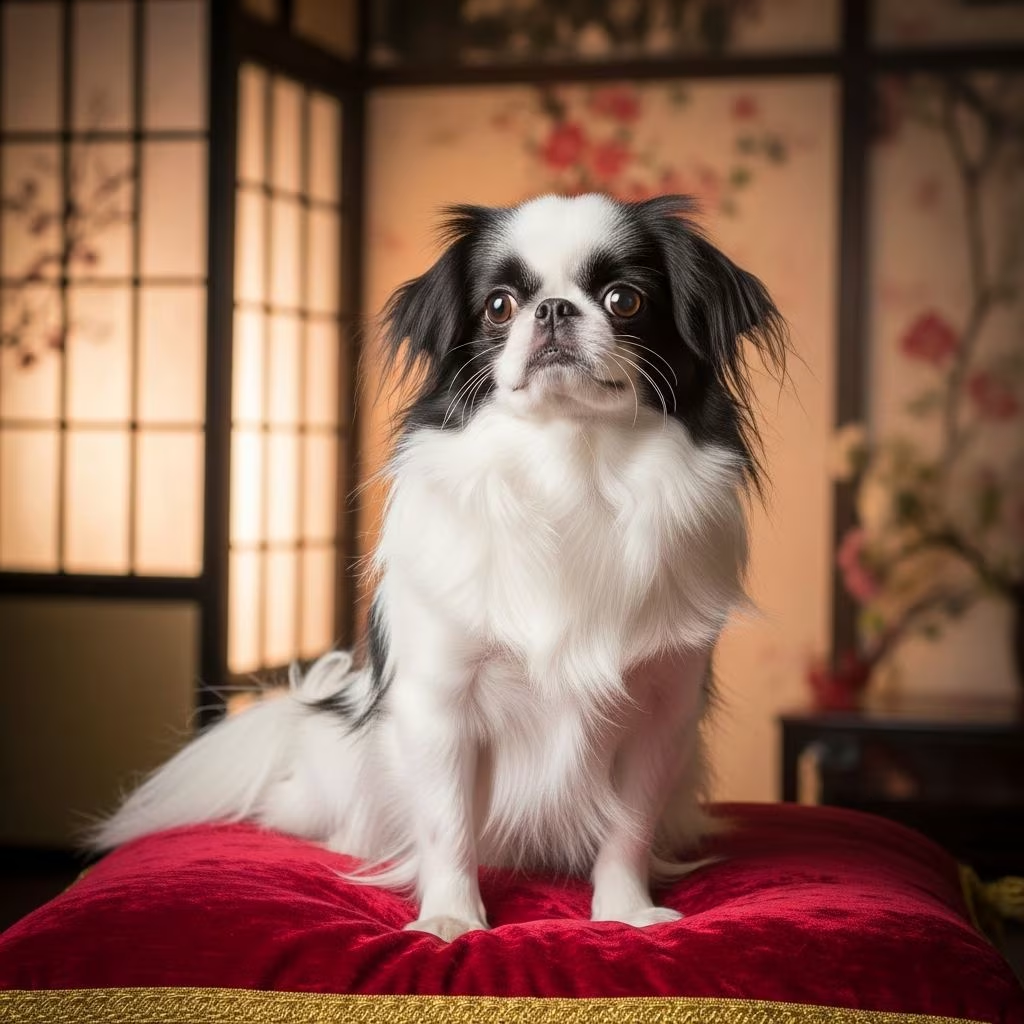
The Japanese Chin stands out as a captivating toy breed, blending the grace of royalty with the playful spirit of a devoted companion. Originating from ancient Eastern courts, this small dog has captivated hearts for centuries with its distinctive appearance and charming demeanor. Ideal for apartment living, the Japanese Chin thrives on human interaction while requiring minimal exercise, making it a superb choice for families, seniors, or anyone seeking a low-key furry friend.
Ancient Lineage: From Imperial Gifts to Global Treasures
The story of the Japanese Chin traces back over a millennium, with roots likely in China around the 5th or 6th century. Buddhist monks introduced early ancestors, known as Shoku-Ken or Pai, to Japan, where they were refined by imperial breeders into the elegant dogs we know today. These diminutive canines were more than pets; they symbolized status and were reserved exclusively for nobility. Commoners were forbidden from ownership, and the dogs lived in opulent palace settings, often housed in ornate cages or carried in kimono sleeves.
Historical records and artwork from China, Korea, and Japan depict Chin-like dogs with profuse coats and expressive faces, suggesting ties to breeds like the Pekingese, Shih Tzu, and Tibetan Spaniel. Japanese emperors prized their cat-like agility and independence, pampering them with silk bedding, gourmet treats, and even hand-fed ice during warm weather. Servants faced severe penalties for disturbing a sleeping Chin, underscoring their revered status. Gifts of these dogs accompanied diplomatic exchanges, reaching European royalty via Commodore Perry in 1853, who presented a pair to Queen Victoria.
Japan’s isolation under the Tokugawa shogunate (1600s-1850s) kept the breed hidden from Western eyes until trade resumed. Post-World War II, enthusiasts in America and Europe rebuilt populations from limited imports, leading to the American Kennel Club’s official name change from Japanese Spaniel to Japanese Chin in 1977. Today, the breed remains a “best-kept secret,” cherished for its unwavering loyalty and historical allure.
Distinctive Appearance: A Portrait of Refinement
Compact and square-proportioned, the Japanese Chin measures 8 to 11 inches at the shoulder and weighs 4 to 9 pounds, embodying balance in a tiny frame. Its hallmark is the profuse, straight double coat in black-and-white, red-and-white, or solid sable patterns, with fringes on ears, legs, tail, and belly creating a plush, silky look. The tail arches over the back in a “chrysanthemum” curl, a prized feature from ancient breeding standards.
The broad skull features a pronounced “thumbprint” stop—the deep crease between the eyes—and a short, pushed-in muzzle that lends an Oriental expression. Large, round eyes sparkle with intelligence, while V-shaped ears hang forward, feathered for added elegance. The tongue often protrudes slightly sideways, a quirky remnant of its heritage. Feet are hare-like with feathering resembling quill pens, enhancing its artistic vibe. This breed’s lively tail wag and graceful gait make it a standout in conformation rings worldwide.
Temperament Highlights: Cat-Like Charm Meets Devoted Affection
Japanese Chins possess a unique personality: aristocratic yet playful, independent yet loving. They exhibit cat-like traits such as self-cleaning habits, agile leaps onto high perches, and a penchant for batting toys mid-air. Gentle and sensitive, they bond deeply with owners, offering silent companionship or bursts of merry antics to amuse.
- Affectionate without clinginess: Chins thrive on lap time but respect personal space.
- Playful entertainers: Known for their sense of humor, they perform tricks and chase shadows with enthusiasm.
- Quiet housemates: Rarely bark excessively, alerting only to clear threats.
- Social butterflies: Get along splendidly with children, strangers, and other pets when socialized early.
- Sensitive souls: Respond best to positive reinforcement; harsh training can cause withdrawal.
Far from yappy toys, Chins exude dignity, making them adaptable to various households. Their adaptability shines in multi-pet homes or with respectful kids, though supervision prevents accidental injury due to their fragility.
Everyday Care: Grooming, Exercise, and Nutrition Essentials
Maintaining a Japanese Chin’s lustrous coat requires weekly brushing with a pin brush to remove tangles and distribute oils, focusing on fringes. Bathing every 4-6 weeks suffices, as they self-clean like cats. Nails trim monthly, teeth brush regularly, and ears check for wax buildup to avert infections.
Exercise needs are modest: 20-30 minutes daily of indoor play or leisurely walks prevents boredom-induced mischief. They relish puzzle toys and gentle fetch, staying fit without strenuous activity. Nutrition-wise, high-quality small-breed formulas support their metabolism; portion control combats weight gain in this couch-potato charmer.
| Aspect | Recommendations | Frequency |
|---|---|---|
| Grooming | Pin brush, detangling spray | Weekly |
| Exercise | Play sessions, short walks | Daily, 20-30 min |
| Vet Checks | Full exam, vaccines | Annually |
| Dental Care | Brushing, dental chews | 2-3 times/week |
Health Considerations: Common Issues and Wellness Strategies
Generally robust for toys, Japanese Chins live 12-14 years but face breed-specific risks. Patellar luxation (kneecap dislocation) affects mobility; early detection via vet exams helps. Eye conditions like cataracts or dry eye demand routine screening. Heart murmurs, dental overcrowding, and fused toes (polydactyly) warrant monitoring.
- Preventive measures: Annual vet visits, heartworm prevention, and dental diets.
- Genetic screening: Reputable breeders test for patellas, eyes, and hearts.
- Pet insurance benefits: Covers diagnostics, surgeries, and wellness, easing costs for luxations or eye treatments.
Obesity exacerbates joint strain, so measured feeding is key. With proactive care, Chins enjoy vibrant lives.
Lifestyle Compatibility: Perfect Homes for Chin Royalty
Japanese Chins flourish in apartments or condos, unfazed by city noise. They’re novice-friendly, needing basic training in housetraining and recall. Families with gentle children or seniors find their mellow vibe ideal; allergy sufferers appreciate low-shedding coats with maintenance.
Not suited for rough play or cold climates—sweaters aid chilly walks. Their adaptability extends to travel, folding neatly into carriers.
Bringing Home Your Chin: Adoption and Training Pointers
Select ethical breeders or rescues emphasizing health clearances. Puppies adapt quickly; adults offer known temperaments. Training leverages treats and praise; housetraining completes by 6 months. Socialize via puppy classes for confident adults.
Frequently Asked Questions
Are Japanese Chins good with kids?
Yes, their patient nature suits gentle children; teach kids to handle delicately.
How much grooming do they need?
Moderate—weekly brushing keeps coats pristine.
Do they bark a lot?
No, they’re quiet watchdogs.
What’s their lifespan?
Typically 12-14 years with proper care.
Are they hypoallergenic?
Not fully, but regular grooming minimizes dander.
References
- Japanese Chin History & Origin — Showsight Magazine. 2023-05-15. https://showsightmagazine.com/japanese-chin-history-origin/
- Japanese Chin History: Japan’s Royal Spaniel — American Kennel Club. 2024-02-10. https://www.akc.org/expert-advice/dog-breeds/japanese-chin-history-japans-royal-spaniel/
- Breed History — Japanese Chin Club UK. 2023-11-20. https://www.japanesechinclub.co.uk/breed-history
- Japanese Chin — Dogs Australia. 2025-01-05. https://dogsaustralia.org.au/BrowseBreed/browse-a-breed/52/Japanese-Chin/
- History of The Japanese Chin — Japanese Chin Club of America. 2024-08-12. https://japanesechinclubofamerica.org/history-of-the-japanese-chin/



