

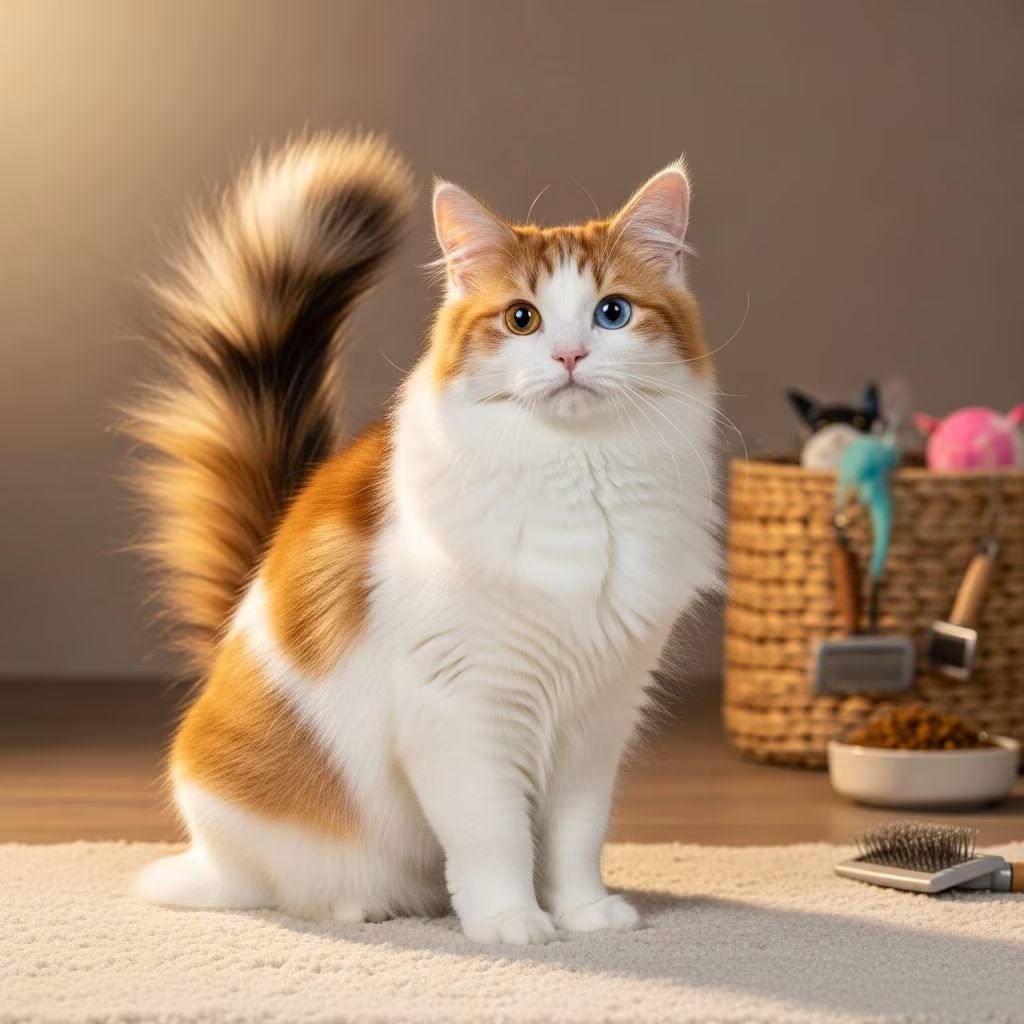
The Japanese Bobtail longhair represents one of the most visually striking and distinctive cat breeds in the feline world. Originating from Japan, this breed has captivated cat enthusiasts worldwide with its unique characteristics, particularly its signature short, kinked tail that resembles a pom-pom or bunny tail. Unlike many modern cat breeds developed through selective breeding programs, the Japanese Bobtail emerged naturally in Japan, where it has been treasured for centuries. The longhair variant of this breed combines the elegant physical traits of the standard Japanese Bobtail with a luxurious silky coat that enhances its distinctive appearance.
Physical Characteristics and Distinctive Features
The Japanese Bobtail longhair possesses an elegant, medium-sized frame that conveys both strength and grace. These cats typically weigh between 5 to 10 pounds, with females generally ranging from 5 to 7 pounds and males weighing 8 to 10 pounds. Despite their modest weight, these felines are predominantly muscle, displaying a lean and refined physique that sets them apart from other domestic cat breeds.
The breed’s most recognizable feature is undoubtedly its distinctive tail. This naturally occurring short, kinked tail extends approximately 5 to 8 centimeters from the body and resembles a pom-pom or fluffy bunny tail. What makes this tail truly remarkable is that no two tails are identical—each cat possesses a completely unique tail configuration. The tail contains all the vertebrae found in the tails of long-tailed cats, but the kinking causes the fur to spread and stand outward, creating the characteristic pom-pom appearance. In longhair varieties, the extended fur on the tail creates an even more pronounced plume effect.
Facial Structure and Head Characteristics
The facial structure of the Japanese Bobtail longhair exemplifies the breed’s Oriental elegance. The head forms an equilateral triangle when viewed from the front, with prominent, chiseled cheekbones that create a distinctly Japanese aesthetic. The large, expressive eyes are rounded when viewed frontally but display a pronounced slant when seen from the side, contributing to the breed’s alert and inquisitive expression. Large, upright ears sit high on the head, creating an impression of constant alertness and attentiveness. The nose features a gentle dip and works in harmony with the other facial features to create balanced, refined proportions.
Body Structure and Muscular Development
Japanese Bobtail longhairs display long, slender legs with noticeably longer hind legs compared to their front legs. The hind legs feature a distinctive deep Z-shape angulation that provides enormous power for jumping and leaping. These muscular hind quarters enable the breed to spring to extraordinary heights with impressive grace and control. When standing at rest, the cat maintains an essentially level stance despite the longer hind legs, as the angular joints allow for precise posture adjustment. The paws are oval-shaped with five toes in front and four toes behind. This athletic build, combined with powerful musculature throughout the body, creates cats that move with fluid, elegant motions despite their incredible jumping ability.
Coat Quality and Appearance
The longhair variant features a medium-long to long silky coat that contributes significantly to the breed’s luxurious appearance. The texture remains uniformly soft throughout, providing a pleasant tactile experience. One distinctive characteristic of the Japanese Bobtail longhair is the absence of a noticeable undercoat in mature adults. This feature differentiates them from many other longhair breeds and contributes to their manageable grooming requirements compared to similar coat lengths.
The coat displays particular length variations across the body. The fur tends to be more prominent on the back of the legs, where it creates distinctive britches, around the neck and chest where a frontal ruff develops, and between the toes where it forms small tufts. These variations add visual interest and dimension to the breed’s overall appearance. The luxurious tail hair is notably longer and thicker than the body coat, enhancing the pom-pom effect.
Color Patterns and Acceptable Varieties
Japanese Bobtail longhairs come in virtually all colors and patterns recognized in the cat fancy. In Japan, the tri-color pattern, also known as calico or tortoiseshell and white (Mi-ke), holds special cultural significance and is considered the most prestigious coloration. This pattern, featuring a mixture of black, red, and white, is traditionally associated with good luck in Japanese culture and is predominantly found in female cats. However, contemporary breed standards accept all color combinations equally, providing prospective owners with numerous aesthetic options when selecting a Japanese Bobtail longhair.
Personality Traits and Behavioral Characteristics
Beyond their striking physical appearance, Japanese Bobtail longhairs possess exceptional personalities that endear them to their human companions. These cats are fundamentally intelligent, playful, and curious creatures with an intense need for interactive engagement and mental stimulation. They thrive in environments where they receive regular attention and opportunities to participate in family activities.
Social Nature and Human Bonding
Japanese Bobtail longhairs are extraordinarily social and dependent cats that form profound attachments to their human family members. They are not aloof or independent in the way some cat breeds tend to be. Instead, these felines actively seek human company and involvement in household activities. They are known for following their favorite people from room to room, meowing and gently tapping for attention, bringing toys to request play sessions, and generally making their presence known throughout the home. This loyal and loving nature means that owners should be prepared for a cat that wants to be an integral part of family life.
Vocal Communication and Language
The Japanese Bobtail longhair is notably a very talkative breed. Rather than the harsh meows common in many cats, these felines produce a melodious, singsong voice that sounds remarkably musical. Their soft voices are capable of producing nearly a complete musical scale of tones, leading to a folk belief in Japan that they can actually sing. This constant vocal communication means these cats will regularly “converse” with their owners, expressing their needs, desires, and observations throughout the day. Prospective owners should appreciate this communicative tendency, as it adds an interactive dimension to the human-feline relationship.
Trainability and Learning Capacity
Unlike many cat breeds that resist human-directed training, Japanese Bobtail longhairs are remarkably trainable and responsive to teaching efforts. They can learn tricks and enjoy participating in human-mediated activities such as walking on harnesses and leashes and playing fetch. This intelligence combined with their human-oriented nature makes them more willing to engage in training compared to most feline breeds. They require consistent mental stimulation and interaction to prevent boredom and maintain behavioral wellness.
Grooming Requirements and Coat Maintenance
Despite their longer coat, Japanese Bobtail longhairs have relatively manageable grooming needs compared to many other longhair breeds. Regular light combing or brushing will maintain the coat in optimal condition and the cats genuinely enjoy the extra attention these grooming sessions provide. The absence of a heavy undercoat means the breed experiences minimal shedding except during seasonal coat changes, making them more practical for households concerned about excessive fur around the home.
The silky texture of the coat is less prone to matting and tangling, further reducing grooming labor compared to breeds with denser undercoats. However, consistent grooming remains important for maintaining coat health, preventing tangles in areas of longer fur like the britches and tail, and providing the interactive bonding time these social cats require. Establishing a regular grooming routine benefits both coat condition and the emotional well-being of these affectionate felines.
Health Considerations and Lifespan
Japanese Bobtail longhairs are generally healthy cats with no known health problems specifically associated with their unique short tail. The recessive gene responsible for their distinctive kinked tail is not connected to any spinal or bone abnormalities, as some might assume. The average lifespan for the breed ranges from 9 to 15 years, providing owners with a substantial period to enjoy these remarkable companions.
As with any cat breed, prospective owners should work with reputable breeders who conduct appropriate health screenings and genetic testing to ensure the production of healthy kittens. Regular veterinary care, appropriate nutrition, and mental stimulation throughout the cat’s life contribute significantly to maintaining optimal health and longevity.
Living Requirements and Environmental Needs
Japanese Bobtail longhairs benefit from environments that provide both indoor enrichment and outdoor access when possible and safe. These active, intelligent cats enjoy climbing and require adequate vertical space such as cat trees and shelves to satisfy their natural climbing instincts. The breed’s powerful hind legs and athletic ability mean they appreciate opportunities to jump and leap at various heights.
These cats are prone to obesity if their significant exercise and play needs go unmet. Providing interactive toys, engaging play sessions with human companions, and environmental enrichment prevents weight gain and maintains physical health. Regular interactive play and access to climbing structures should be considered essential rather than optional for the breed’s well-being.
Compatibility with Families and Other Pets
Japanese Bobtail longhairs are excellent family cats that get along with most other animals. Their social, non-aggressive nature makes them suitable for multi-cat households and homes with dogs, provided proper introductions occur. Their playful, interactive personality means they do well in households where family members are actively engaged with their pets. However, their high need for attention and interaction means they are less suitable for homes where occupants are frequently absent or unable to provide regular interactive engagement.
Ideal Owner Characteristics
The ideal owner for a Japanese Bobtail longhair understands and embraces the breed’s demanding social nature. These cats are not low-maintenance or independent companions; they actively expect and require participation in family life. Owners should appreciate their vocal communication, enjoy interactive play sessions, and be prepared to provide regular grooming and mental stimulation. These attributes combine to create a truly unique feline companion for those seeking an actively engaged, intelligent, and devoted cat.
Breeding Standards and Show Quality
Japanese Bobtail longhairs are recognized by major cat fancier associations including the Cat Fanciers’ Association (CFA) and The International Cat Association (TICA), both of which maintain detailed breed standards. Show-quality cats should demonstrate fine boning, long slender legs, large upright ears, triangular heads proportioned as long as they are wide, and the characteristic pom-pom tail. Overall type is judged by assessing balance, elegance, and refinement as cohesive elements rather than evaluating individual features in isolation.
Frequently Asked Questions
How much grooming does a Japanese Bobtail longhair require?
Despite their longer coat, Japanese Bobtail longhairs require only regular light combing or brushing, typically a few times weekly, to maintain optimal coat condition. The absence of a heavy undercoat makes them more manageable than many other longhair breeds.
Are Japanese Bobtail longhairs hypoallergenic?
No, Japanese Bobtail longhairs are not hypoallergenic. Like all cats, they produce allergens and shed, though their shedding is less substantial than some other breeds due to their minimal undercoat.
What is the typical temperament of this breed?
Japanese Bobtail longhairs are intelligent, playful, social, and highly vocal. They form strong bonds with human companions, enjoy interactive play, and can learn tricks—making them notably different from more independent cat breeds.
How long do Japanese Bobtail longhairs typically live?
The average lifespan is 9 to 15 years with proper care, veterinary attention, and a healthy lifestyle.
Do they require outdoor access?
While they benefit from outdoor access when safe and possible, they can thrive indoors with appropriate environmental enrichment, climbing structures, and regular interactive play sessions.
Choosing a Japanese Bobtail Longhair
Selecting a Japanese Bobtail longhair requires careful consideration of whether this demanding, interactive breed aligns with your lifestyle and expectations. These cats are not passive house companions; they actively participate in family life and expect regular engagement. For individuals and families who appreciate vocal, intelligent, playful cats and can commit to providing interactive play, mental stimulation, and grooming maintenance, the Japanese Bobtail longhair offers a remarkable and deeply rewarding feline companion. Their striking appearance combined with their devoted, engaging personality creates a truly unique domestic cat experience.
References
- Japanese Bobtail Long Hair Cat Breed Information — Purina Arabia. Accessed January 2026. https://www.purina-arabia.com/en-gb/find-a-pet/cat/breed-library/japanese-bobtail-long-hair
- Japanese Bobtail Longhair — The International Cat Association (TICA). Accessed January 2026. https://tica.org/breed/japanese-bobtail-longhair/
- Japanese Bobtail Breed Standard — The Cat Fanciers’ Association (CFA). Accessed January 2026. https://cfa.org/breed/japanese-bobtail/
- Japanese Bobtail Cat Breed: Size, Appearance & Personality — Cats.com. Accessed January 2026. https://cats.com/cat-breeds/japanese-bobtail
- Japanese Bobtail Cat Breed — Hill’s Pet Nutrition. Accessed January 2026. https://www.hillspet.com/cat-care/cat-breeds/japanese-bobtail
- What to Know About the Japanese Bobtail — WebMD Pets. Accessed January 2026. https://www.webmd.com/pets/cats/what-to-know-about-the-japanese-bobtail
- Japanese Bobtail — Wikipedia. Accessed January 2026. https://en.wikipedia.org/wiki/Japanese_Bobtail



