

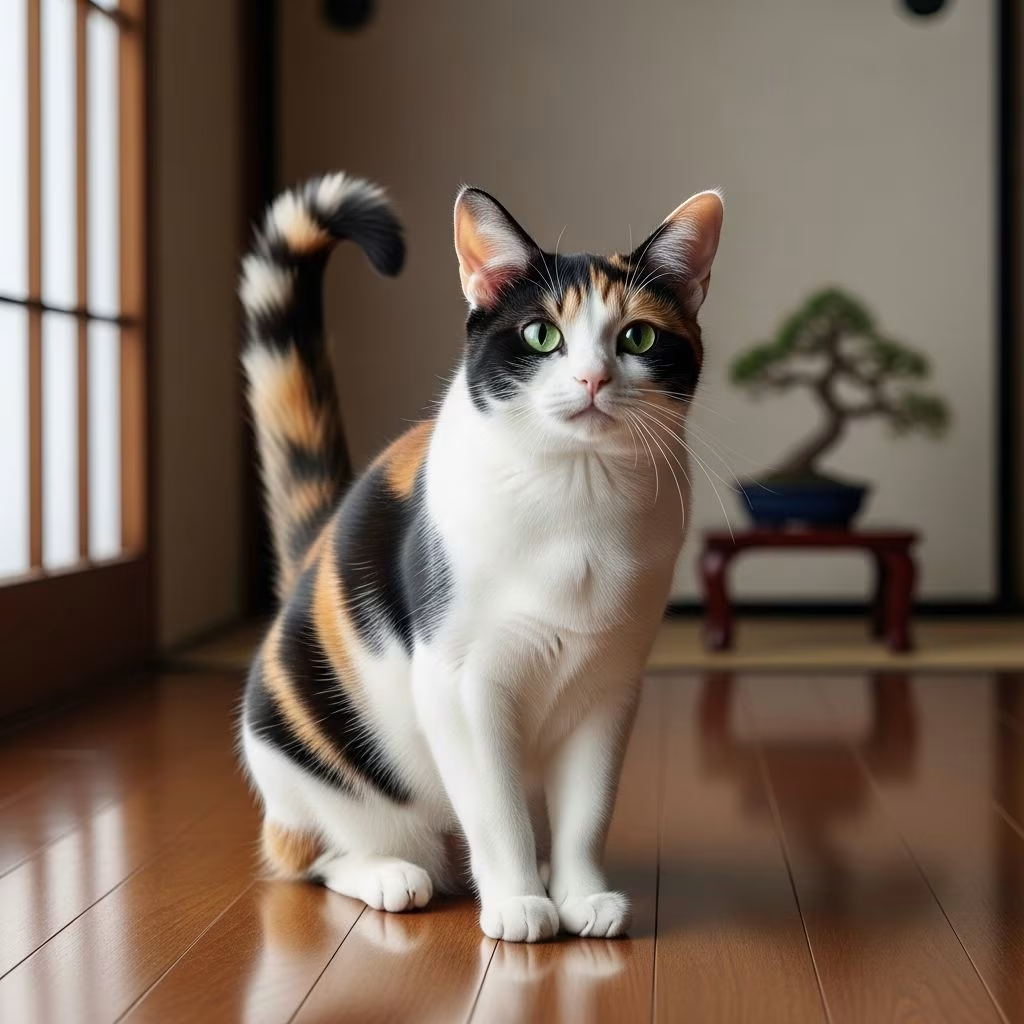
The Japanese Bobtail stands out as one of the most distinctive cat breeds, recognized worldwide for its charming short tail that resembles a rabbit’s pom-pom. Originating from Japan, this medium-sized cat combines elegance, athleticism, and an outgoing personality, making it a favorite among cat enthusiasts seeking a lively companion.
Origins and Historical Significance
Tracing back centuries in Japanese history, the Japanese Bobtail has deep cultural roots. Records suggest these cats roamed imperial courts and rural homes alike, valued for their beauty and mousing prowess. Folklore portrays them as symbols of good fortune, often depicted in art with beckoning paws in maneki-neko figurines, which are believed to bring prosperity.
During the 16th century, these resilient felines survived challenging times, including periods of scarcity, showcasing their tenacity and adaptability. In modern times, the breed gained international recognition through cat shows, with formal standards established by organizations like The Cat Fanciers’ Association (CFA). Today, Japanese Bobtails thrive globally, blending their ancient heritage with contemporary pet appeal.
Distinctive Physical Appearance
Japanese Bobtails present a balanced, refined silhouette that exudes grace. Their bodies are well-muscled yet slender, with clean lines and no excessive bulk. The head forms an equilateral triangle, featuring high cheekbones, large oval eyes—often in vivid colors or even heterochromia (two different-colored eyes)—and a long, straight nose that gives a unique profile.
Ears stand upright and wide-set, adding to their alert expression. Legs are slender and high, with hind legs noticeably longer than forelegs, enabling powerful leaps and agile movements. This structure supports their prowess in activities like feline agility courses.
The Iconic Tail: A Genetic Marvel
The breed’s hallmark is its short tail, resulting from a dominant genetic mutation. Unlike the painful Manx bobtail gene, this mutation is harmless and produces tails of 1-3 inches, composed of kinks, curves, or angles—no two are identical, much like fingerprints. The tail fans out into a fluffy pom-pom, harmonizing with the cat’s overall elegance and remaining clearly visible.
Coat Varieties and Colors
Available in shorthair and longhair varieties, Japanese Bobtails boast soft, silky fur without a dense undercoat, minimizing matting issues. Shorthairs have medium-length coats, while longhairs feature plush fur longest at the tail (britches) and ears, often with tufts on ears and toes.
Color options are diverse: solids, tabbies (spotted, mackerel, or classic), calicos, bi-colors, and vans. Dramatic contrasts and bold patterns enhance their striking appearance.
| Coat Type | Length | Texture | Shedding |
|---|---|---|---|
| Shorthair | Medium | Silky, soft | Medium |
| Longhair | Medium-long | Plush, silky | Medium |
Temperament and Personality Traits
Renowned for their joyful, extroverted nature, Japanese Bobtails crave human interaction and often follow owners room-to-room, “talking” with chirpy meows and melodic vocalizations. They possess high intelligence, making them trainable for tricks, fetch, and even leash walking.
- Playful and Energetic: These cats excel in games, agility, and exploration, with boundless curiosity driving them to high perches and hidden spots.
- Affectionate: They bond deeply, thriving in family settings and getting along with children, dogs, and other cats when properly introduced.
- Adaptable: From apartments to farms, they adjust well, provided they receive ample playtime.
Water fascination is common; many enjoy splashing in sinks or baths, adding to their mischievous charm.
Care and Grooming Essentials
Low-maintenance grooming suits busy owners. Weekly brushing prevents loose hair, especially for longhairs, while their coat resists tangles. Regular nail trims, ear checks, and dental care maintain health.
High energy demands interactive toys, puzzle feeders, and vertical spaces like cat trees. A balanced diet supports their athletic build—aim for 5-10 lbs adult weight—with portion control to prevent obesity. Litter box training is straightforward due to their intelligence.
Exercise and Enrichment Tips
- Daily play sessions with wand toys or laser pointers.
- Feline agility setups or DIY obstacle courses.
- Interactive feeders to stimulate problem-solving.
- Window perches for bird-watching entertainment.
Health and Longevity
Robust genetics contribute to a lifespan of 15-20 years. Generally healthy, they face few breed-specific issues, thanks to the non-debilitating tail mutation. Routine vet visits catch common feline concerns like dental disease or obesity early.
Monitor for patellar luxation or calcium deficiencies, though rare. Their active lifestyle naturally promotes fitness.
| Health Metric | Details |
|---|---|
| Lifespan | 15-20 years |
| Weight Range | 5-10 lbs |
| Common Concerns | Minimal; focus on general wellness |
Living with a Japanese Bobtail: Ideal Homes
Best suited for active households offering engagement, these cats dislike solitude. They shine in multi-pet homes and with kids who respect their space. Apartments work if enriched; larger spaces allow full athletic display.
Adopting from reputable breeders ensures genetic health; rescues occasionally feature mixes with Bobtail traits.
Fun Facts and Unique Quirks
- Tails vary wildly—flexible, rigid, or a mix—each a personal signature.
- Often “sing” with varied vocal tones.
- Historical rat-catchers on ships, aiding pest control.
- Love water more than most cats.
Frequently Asked Questions (FAQs)
Is the Japanese Bobtail’s tail painful?
No, the genetic mutation is benign, unlike some bobtail breeds.
Are they good with children?
Yes, their patient, playful demeanor makes them excellent family pets.
How much grooming do they need?
Minimal—weekly brushing suffices for both coat types.
Do they get along with dogs?
Typically yes, with proper introductions.
What’s their activity level?
High; they require daily play to stay happy.
References
- Japanese Bobtail Facts – Wisdom Panel™ Cat Breeds — Wisdom Panel. 2023. https://www.wisdompanel.com/en-us/cat-breeds/japanese-bobtail
- Japanese Bobtail – The Cat Fanciers’ Association — CFA. 2024-01-15. https://cfa.org/breed/japanese-bobtail/
- Japanese Bobtail Cat Breed Profile | Litter-Robot — Litter-Robot. 2024. https://www.litter-robot.com/blog/japanese-bobtail-cat/
- Japanese Bobtail Cats: Health, Shedding, and More — ASPCA Pet Insurance. 2023-05-10. https://www.aspcapetinsurance.com/resources/japanese-bobtail-cat-facts/
- Japanese Bobtail – Wikipedia — Wikipedia Contributors. 2025-12-20. https://en.wikipedia.org/wiki/Japanese_Bobtail



