

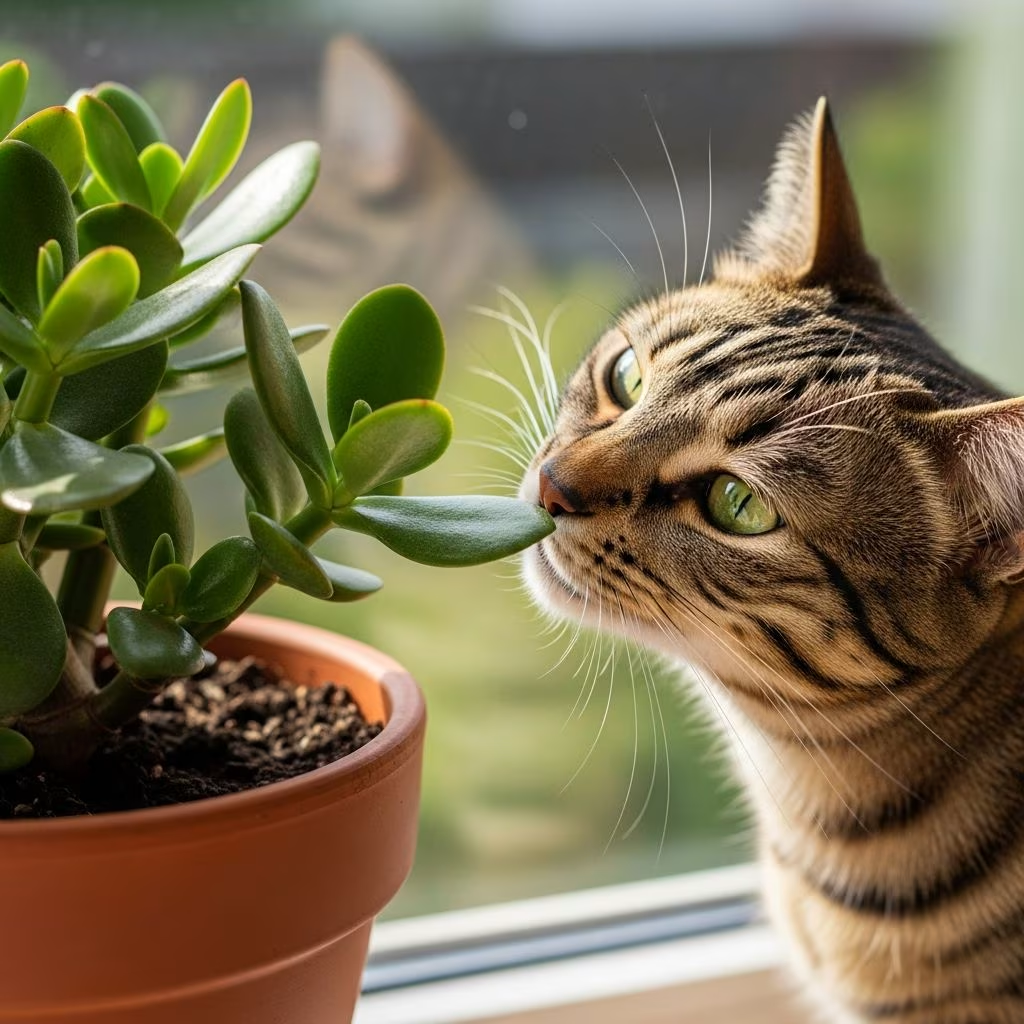
Jade plants, popular succulents known for their glossy leaves and easy care, pose a mild toxic risk to cats upon ingestion. These plants contain unknown compounds that can trigger gastrointestinal upset and other symptoms in felines. While not typically fatal, prompt recognition and action are crucial for cat owners balancing indoor greenery with pet health.
Understanding Jade Plant Toxicity in Felines
Jade plants, scientifically named Crassula ovata or formerly Crassula argentea, belong to the Crassulaceae family. They are favored for their tree-like growth and drought tolerance, making them staples in many homes. However, all parts—leaves, stems, and branches—are potentially harmful to cats if chewed or swallowed.
The exact toxic principle remains unidentified, but ingestion leads to clinical effects ranging from mild to occasionally more severe. Cats may be drawn to the plant’s waxy texture or movement, especially playful kittens exploring their surroundings. Toxicity levels are classified as mild for cats, meaning most cases resolve without intensive intervention.
Common Symptoms of Jade Plant Ingestion
When a cat consumes jade plant material, symptoms often appear within hours. Pet owners should monitor for these signs to act swiftly.
- Vomiting: The most frequent initial response, often occurring soon after ingestion.
- Diarrhea: Loose stools may follow, contributing to dehydration if prolonged.
- Lethargy: Cats may appear unusually tired or unwilling to play.
- Excessive drooling: Due to mouth irritation or nausea.
- Anorexia: Refusal to eat, signaling gastrointestinal discomfort.
- Incoordination or stumbling: Less common, indicating possible neurological effects.
In rare instances, more severe reactions like slow heart rate, weakness, or aggression have been noted, though these are not typical for jade exposure. Mild symptoms usually self-resolve within 24-48 hours, but veterinary consultation is advised if they persist.
Why Cats Are Attracted to Jade Plants
Felines instinctively nibble on plants for fiber, curiosity, or to induce vomiting for hairball relief. Succulents like jade mimic prey with their swaying leaves, heightening appeal. Young cats and those in low-stimulation environments are most prone. Indoor-only cats, lacking outdoor grasses, may target houseplants more frequently.
| Symptom Severity | Indicators | Action Needed |
|---|---|---|
| Mild | Drooling, single vomit, minor lethargy | Monitor; call vet if no improvement in 12 hours |
| Moderate | Repeated vomiting, diarrhea, anorexia | Contact vet immediately |
| Severe | Stumbling, collapse, tremors | Emergency vet visit |
Immediate Response to Suspected Poisoning
If you witness your cat interacting with a jade plant or notice symptoms, follow these steps without delay.
- Remove access: Isolate the plant and check your cat’s mouth for remnants, gently wiping with a damp cloth.
- Assess symptoms: Note onset time, frequency, and severity. Take photos of the plant for identification.
- Prevent dehydration: Offer small amounts of water; avoid forcing food.
- Contact professionals: Call a vet, ASPCA Poison Control at (888) 426-4435, or Pet Poison Helpline at (855) 764-7661. Fees may apply.
- Prepare for transport: Use a carrier and bring plant samples.
Do not induce vomiting at home, as it risks aspiration or further irritation. Veterinary care might involve fluids, anti-nausea meds, or diagnostics like bloodwork for moderate cases.
Diagnosis and Veterinary Treatment Options
Vets diagnose based on history, symptoms, and plant identification. Physical exams check hydration, heart rate, and coordination. Treatments focus on supportive care:
- Fluid therapy for dehydration.
- Activated charcoal to bind toxins (if recent ingestion).
- Anti-emetics for vomiting control.
- Monitoring for secondary issues like bacterial infections from diarrhea.
Most cats recover fully with home monitoring for mild exposures, but untreated severe cases could lead to complications.
Preventing Jade Plant Hazards in Cat Homes
Proactive measures ensure a harmonious plant-pet coexistence.
- Elevate plants: Use high shelves, wall mounts, or hanging baskets beyond jumping reach.
- Room separation: Keep cats out of plant rooms with doors or baby gates.
- Deterrents: Spray leaves with citrus or bitter apple solutions; many cats avoid these smells.
- Alternatives: Opt for cat grasses or non-toxic succulents.
Regular training reinforces boundaries, rewarding cats for ignoring plants.
Safe Succulent and Plant Alternatives for Cat Owners
Not all succulents threaten cats. Choose these verified safe options:
| Plant Name | ASPCA Rating | Care Tips |
|---|---|---|
| Spider Plant | Non-toxic | Low light, forgiving |
| Boston Fern | Non-toxic | Humid, indirect light |
| Parlor Palm | Non-toxic | Moderate water |
| Calathea | Non-toxic | High humidity |
Verify all new plants via ASPCA or similar databases before purchase. Catnip or wheatgrass provides safe nibbling outlets.
Long-Term Health Impacts and Myths Debunked
Repeated small exposures may sensitize cats, worsening reactions over time. Myths like “a little won’t hurt” ignore cumulative effects. Jade toxicity isn’t always immediate, so vigilance is key. No breed predispositions exist, but seniors or kittens face higher risks due to size and immunity.
FAQs on Jade Plants and Cat Safety
Q: How much jade plant is dangerous for a cat?
A: Even small amounts can cause symptoms; larger quantities increase severity.
Q: Can jade poisoning be fatal?
A: Rare with prompt care, but untreated severe cases pose risks.
Q: What if my cat ate jade yesterday?
A: Monitor for delayed symptoms; consult a vet if concerned.
Q: Are all succulents toxic?
A: No, only specific types like jade, aloe, and kalanchoe.
Q: How to train cats away from plants?
A: Use positive reinforcement and distractions like toys.
Creating a Pet-Friendly Green Space
Blend safety with aesthetics by zoning homes: cat-proof plant areas versus free-roam spaces. Invest in sturdy pots to deter knockovers. Community resources like vet apps track exposures. Educating household members ensures consistent prevention.
Ultimately, awareness empowers cat owners to enjoy jade plants risk-free through strategic placement and alternatives. Prioritize pet health without sacrificing home decor.
References
- Is Jade Plant Toxic to Cats? Complete Guide to Safety & Pet Health — The Gardening. 2023. https://www.youtube.com/watch?v=kK8lq_LjlMk
- Jade Plant | Pet Poison Helpline — Pet Poison Helpline. Accessed 2026. https://www.petpoisonhelpline.com/poison/jade-plant/
- Succulent Poisoning in Cats: Immediate Steps for an Emergency — GSVS. 2023. https://gsvs.org/blog/succulent-poisoning-cats-emergency-steps/
- Jade Plant Poisoning in Cats – Symptoms, Causes, Diagnosis — WagWalking. 2022-01-13. https://wagwalking.com/cat/condition/jade-plant-poisoning-1
- Toxic and Non-toxic Plants: Jade Plant — ASPCA. Accessed 2026. https://www.aspca.org/pet-care/aspca-poison-control/toxic-and-non-toxic-plants/jade-plant



