

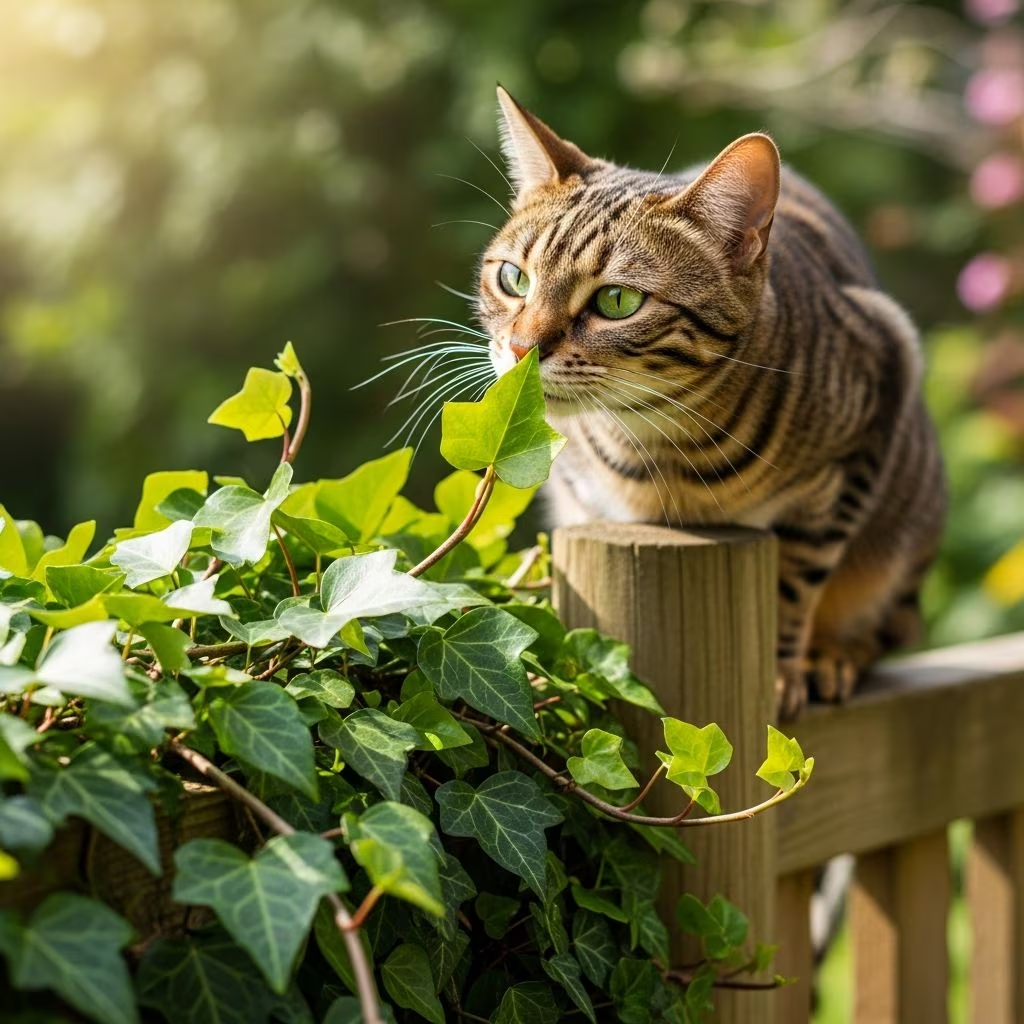
For cat owners who enjoy cultivating indoor greenery, understanding plant safety is essential to maintaining a secure living environment for their pets. Many common decorative plants pose significant health risks to cats, and ivy is among the most concerning options. While ivy adds aesthetic appeal to homes and gardens, its presence can create serious medical complications for curious felines. This guide explores the dangers associated with ivy exposure, the physiological responses cats experience when poisoned, and the preventive measures that responsible pet owners should implement.
The Chemical Composition and Why Ivy Poses a Threat
Ivy plants contain specific chemical compounds that make them hazardous to feline health. The primary toxic agents responsible for adverse reactions include polyacetylene compounds and saponins, particularly hederagenin, which is a specialized type of saponin. These chemical structures directly interact with a cat’s digestive and nervous systems, triggering inflammatory responses and systemic reactions.
The toxicity profile of ivy is particularly concerning because different parts of the plant contain varying concentrations of harmful substances. Research indicates that the leafy foliage presents a greater danger than the berries produced by mature ivy plants. This distinction matters significantly when assessing risk levels in households where ivy is present, as cats are more likely to nibble on accessible leaves than to consume berries.
The mechanism of harm extends beyond simple ingestion. Contact with the plant’s sap can trigger dermatitis and skin irritation, meaning that cats don’t necessarily need to consume the plant to experience negative effects. Even grooming contaminated fur after brushing against ivy foliage can expose cats to low levels of these toxins, creating multiple pathways for accidental poisoning.
Recognizing Poisoning Symptoms in Your Cat
Understanding the clinical signs of ivy poisoning is crucial for early intervention. Symptoms manifest across several categories, affecting the gastrointestinal system, oral tissues, and in severe cases, the cardiovascular system.
Gastrointestinal and Oral Manifestations
The most commonly observed symptoms following ivy ingestion relate to the digestive tract. Cats typically experience vomiting and diarrhea as the body attempts to eliminate toxic substances. Hypersalivation and excessive drooling occur as the mouth and throat tissues become irritated by the plant’s compounds. Some cats display difficulty swallowing or show reluctance to eat due to oral discomfort.
Abdominal pain is another frequent presentation, manifesting as visible discomfort, reduced activity levels, or behavioral changes. Cats may adopt unusual postures, show signs of distress, or demonstrate lethargy as the toxins affect their systems.
Systemic and Neurological Signs
Beyond digestive symptoms, ivy poisoning can produce more serious systemic effects. Affected cats may exhibit irregular heartbeat and breathing difficulties, indicating that the toxins have begun affecting cardiovascular and respiratory function. Fever may develop as the body mounts an inflammatory response to the ingested substances.
Some cats show respiratory symptoms including labored breathing, while others may experience coma-like states in severe exposures. Neurological effects such as general excitement or hyperactivity have been documented, suggesting the plant compounds influence the nervous system as well.
Dermatological Responses
Physical symptoms on the skin and around sensitive areas include itching and excessive scratching, red and watery eyes, swelling of the mouth, tongue, and lips, and skin reactions like redness and blistering. These manifestations can cause considerable discomfort and may worsen if the cat continues to contact contaminated areas.
Behavioral and Urinary Changes
Some poisoned cats display behavioral alterations including unusual vocalization, panting, or signs of restlessness. Changes in urinary patterns, such as increased urination or straining, have been recorded in affected felines, suggesting the toxins may affect kidney function.
Important Considerations About Symptom Presentation
A critical point for cat owners is recognizing that symptom severity and manifestation vary significantly between individual cats. Some animals may display all listed symptoms, while others show only mild signs. Additionally, symptoms may not appear immediately after exposure; some reactions develop over hours or even longer periods. This delayed presentation creates a dangerous situation where owners might not connect their cat’s illness to recent plant contact.
The amount of plant material ingested, the cat’s age, weight, overall health status, and individual sensitivity all influence the severity of the toxic response. Kittens and senior cats typically experience more severe reactions than healthy adult cats in their prime years.
Immediate Actions When Poisoning is Suspected
If you suspect your cat has consumed or contacted ivy plant material, immediate action is necessary. Time is critical in plant poisoning cases, and waiting for symptoms to fully develop can result in worse outcomes.
First Response Steps
Your first action should involve safely removing any plant material from your cat’s mouth, paws, and fur to prevent continued ingestion during grooming. After removal, move your cat to a safe, confined space away from the plant to prevent additional exposure. If the cat has contacted the plant’s sap on its skin, bathing with gentle cat shampoo can help remove the toxin, if the cat will tolerate it safely.
Gather any available information about the exposure: the plant species (if certain), approximate quantity consumed, and the time of suspected ingestion. If possible, collect a sample of the plant or take a photograph to show veterinary professionals, as this aids in diagnosis and treatment planning.
Seeking Professional Help
Contact your veterinarian or local emergency veterinary clinic immediately. Do not wait for obvious symptoms to develop, as toxins may already be causing internal damage even if your cat appears relatively normal. The ASPCA Poison Control Center (888-426-4435) can also provide guidance and information to discuss with your veterinarian.
Critically important: do not induce vomiting unless explicitly instructed by a veterinary professional. Some toxins cause additional harm if vomited, and improper induction can create new complications.
Veterinary Treatment Approaches
Unfortunately, no specific antidote exists for ivy poisoning in cats. Instead, veterinarians employ supportive care strategies designed to minimize damage and help the body eliminate toxins.
Primary Treatment Methods
Intravenous fluid therapy is commonly administered to flush toxins from the system and maintain hydration, which is especially important if vomiting and diarrhea have caused fluid loss. Veterinarians may administer anti-nausea medications to reduce vomiting and allow the digestive system to recover.
Activated charcoal may be given in some cases to bind toxins in the gastrointestinal tract and prevent absorption. Blood work and urinalysis help assess organ function and identify any secondary complications developing as a result of the poisoning.
Ongoing Monitoring and Recovery
Hospitalization for observation may be necessary, particularly if symptoms are severe or if organ involvement is suspected. Close monitoring allows veterinarians to adjust treatment as needed and respond quickly if complications arise. Most cats show improvement within 24 hours of treatment initiation, though recovery time varies based on exposure severity.
Follow-up veterinary care ensures complete recovery and identifies any lingering effects on organ function. Some cats may require additional appointments to verify kidney and liver function have returned to normal.
Prevention: The Best Protection Strategy
The most effective approach to ivy toxicity is preventing exposure entirely. Cat owners who prefer ivy as a decorative element should implement strict containment measures.
Home Management Options
If you choose to keep ivy in your home, place plants in locations completely inaccessible to your cat. High shelves, closed rooms, or elevated planters can reduce access, though determined cats may still find ways to reach plants. Installing barriers or enclosures around planters provides additional protection.
Alternatively, consider removing ivy entirely and replacing it with documented cat-safe plant varieties. Many beautiful, non-toxic alternatives exist that provide similar aesthetic benefits without health risks.
Education and Environmental Awareness
Understanding which plants pose risks helps cat owners make informed decisions about their home environment. Sharing this information with family members and visitors ensures everyone recognizes the danger and maintains preventive measures. If your cat spends outdoor time, knowing which wild ivy species grow in your region allows you to supervise outdoor access more effectively.
Comparing Ivy to Other Common Household Toxins
| Plant/Substance | Primary Toxic Compound | Severity Level | Key Symptoms |
|---|---|---|---|
| English Ivy | Saponins, polyacetylene | Moderate | Vomiting, diarrhea, drooling, irregular heartbeat |
| Lilies | Unknown alkaloids | Severe | Kidney failure, death possible |
| Pothos | Insoluble calcium oxalates | Moderate | Mouth irritation, swelling, drooling |
| NSAIDs (Advil, Aleve) | Ibuprofen/Naproxen | Severe | Stomach ulcers, kidney failure |
Frequently Asked Questions About Ivy and Cat Safety
Can cats die from eating ivy?
While ivy poisoning is serious and requires immediate veterinary attention, death is uncommon with prompt treatment. However, severe exposures or delayed treatment can result in serious complications. Kittens and cats with pre-existing health conditions face higher mortality risks.
How much ivy does a cat need to eat to become poisoned?
Even small quantities can cause symptoms in sensitive cats. The foliage is more dangerous than berries, and individual variation means some cats become ill from minimal contact while others tolerate slightly larger amounts. There is no safe threshold to predict.
Can contact with ivy sap poison a cat?
Yes. While ingestion represents the primary risk, skin contact with sap can cause dermatitis and irritation. Additionally, toxins can be absorbed through grooming contaminated fur, making sap exposure a legitimate concern.
Is outdoor ivy safer than indoor ivy?
The plant itself is toxic regardless of location. However, outdoor exposure may be harder to monitor and control. Supervising outdoor access and preventing your cat from chewing on ivy vines growing on walls or fences is important.
Should I remove all ivy from my property?
For maximum safety, removing ivy eliminates the risk entirely. If ivy grows on your property outdoors, preventing your cat’s access through supervised outdoor time or indoor-only policies provides protection without requiring removal.
Creating a Toxin-Free Environment for Your Feline
Building a safe home for your cat requires awareness of multiple toxin sources beyond plants. Household cleaners, medications, certain foods, and other substances pose similar risks. Developing a comprehensive safety plan that addresses all potential hazards creates the healthiest possible environment.
Regular veterinary check-ups and discussions with your veterinarian about household toxins help ensure you’re implementing appropriate preventive measures. Many veterinarians can provide lists of toxic and non-toxic plants specific to your region, allowing you to make informed landscaping and decorating choices.
By understanding the specific dangers posed by ivy, recognizing symptoms early, and maintaining a proactive approach to prevention, cat owners can protect their feline companions from this common household danger. The combination of environmental management and veterinary partnership creates the optimal framework for feline safety and wellbeing.
References
- Is English Ivy Toxic to Cats, Dogs and People? — Lively Root. Accessed January 2026. https://www.livelyroot.com/blogs/plant-care/english-ivy-toxicity
- What Things Are Poisonous to Cats? — PetMD. Accessed January 2026. https://www.petmd.com/cat/poisoning/poisons-in-cats
- What to do if your cat eats a toxic plant? — Olympia Pet Emergency. November 11, 2021. https://www.olympiapetemergency.net/site/blog/2021/11/11/plants-toxic-cats
- English Ivy – Toxic and Non-toxic Plants — ASPCA Animal Poison Control Center. Accessed January 2026. https://www.aspca.org/pet-care/aspca-poison-control/toxic-and-non-toxic-plants/english-ivy
- Toxic Plants & Pets: What to Do If Your Pet Takes a Bite — Mission Veterinary Partners. Accessed January 2026. https://missionvet.com/toxic-plants-pets-what-to-do-if-your-pet-takes-a-bite/
- Toxic Plant Garden — UC Davis School of Veterinary Medicine. Accessed January 2026. https://www.vetmed.ucdavis.edu/toxic-plant-garden
- Ivy Arum Poisoning in Cats – Symptoms, Causes, Diagnosis — Wag! Pet Health. Accessed January 2026. https://wagwalking.com/cat/condition/ivy-arum-poisoning-1



