

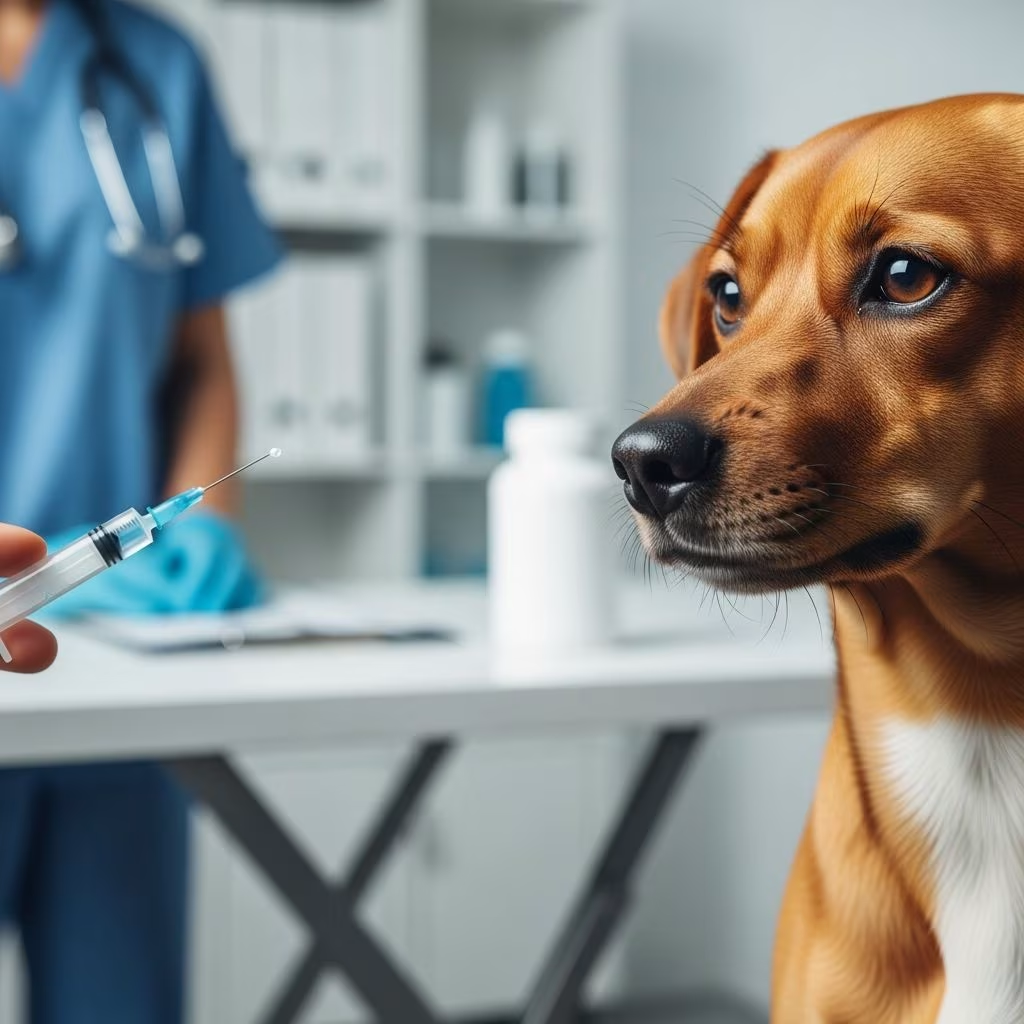
Understanding Ivermectin for Dogs
Ivermectin is a widely prescribed veterinary medication used to protect and treat dogs against various parasitic infections and diseases. As a powerful antiparasitic agent, ivermectin works by targeting the nervous system of parasites, effectively paralyzing them and leading to their eventual death. This mechanism of action makes it an invaluable tool in modern veterinary medicine for maintaining canine health and preventing serious conditions like heartworm disease.
Pet owners should understand that ivermectin is not a casual over-the-counter remedy. Rather, it is a prescription medication that requires careful veterinary oversight and proper administration. The importance of veterinary supervision cannot be overstated, as improper dosing or use in unsuitable candidates can lead to serious complications. Understanding how ivermectin works, when it should be used, and how to administer it safely is essential for every dog owner.
Primary Uses of Ivermectin in Canine Medicine
Ivermectin serves multiple therapeutic purposes in veterinary medicine, making it one of the most versatile medications available for treating dogs. The primary applications include:
Heartworm Prevention
The most common use of ivermectin in dogs is heartworm prevention. Heartworm disease is a serious and potentially fatal condition transmitted by mosquitoes that can affect dogs in all regions of the United States and many other parts of the world. Ivermectin works preventatively by eliminating heartworm larvae before they can develop into adult worms that damage the heart and lungs. Regular ivermectin administration creates a protective barrier against this devastating disease, making it an essential component of responsible pet care in areas where heartworm is prevalent.
Internal Parasite Treatment
Beyond heartworm prevention, ivermectin effectively treats various internal parasites that can compromise a dog’s health and well-being. These parasites can cause malnutrition, gastrointestinal distress, and other serious health problems if left untreated. Ivermectin’s broad-spectrum activity makes it useful against multiple types of intestinal worms and other internal parasites.
External Parasite Management
Ivermectin is also employed to treat external parasites, including various types of mites that can cause mange and other skin conditions. These external parasites can cause intense itching, hair loss, and secondary skin infections. By eliminating these parasites, ivermectin helps restore skin health and eliminates associated discomfort.
Forms and Administration Methods
One of the advantages of ivermectin is its availability in multiple formulations, allowing veterinarians and pet owners to select the most appropriate method for their specific situation. Different dogs may respond better to different administration routes based on their temperament, size, and individual preferences.
Available Forms of Ivermectin
Ivermectin for dogs comes in several convenient forms:
- Oral tablets: Traditional solid tablets that can be given directly or hidden in food
- Chewable tablets: Flavored tablets designed to be more palatable and easier for dogs to consume willingly
- Topical liquid: Liquid formulations applied directly to the skin, typically at the back of the neck
- Paste: A thick formulation that can be administered orally or mixed with food
- Injectable formulations: Administered by a qualified veterinarian, these provide precise dosing and are useful for dogs that cannot take oral medications
Administration with or without Food
Ivermectin can generally be administered with or without food, providing flexibility in how it is given to your dog. However, if your dog experiences nausea or vomiting after receiving the medication on an empty stomach, your veterinarian may recommend giving subsequent doses with food or a treat. This approach can help minimize gastrointestinal upset while maintaining the medication’s effectiveness. If vomiting persists despite administering the medication with food, contact your veterinarian immediately, as this could indicate an adverse reaction requiring medical attention.
Dosage Guidelines and Recommendations
Proper dosing is crucial for the safe and effective use of ivermectin in dogs. Dosage varies depending on the intended use and must be carefully calculated based on your dog’s weight and health status. It is absolutely essential that you follow your veterinarian’s specific dosage instructions rather than attempting to use general guidelines, as individual factors can significantly affect appropriate dosing.
Heartworm Prevention Dosage
For heartworm prevention, veterinarians typically prescribe ivermectin at a dosage of 0.0015 to 0.003 milligrams per pound of body weight, administered monthly. This preventative dose is carefully calculated to be both effective and safe for long-term use. The low dosage used for heartworm prevention is significantly below levels that cause toxicity in most dogs.
External Parasite Treatment Dosage
When treating external parasites such as mites, veterinarians may prescribe a higher dose of approximately 0.15 milligrams per pound of body weight. This dose is typically given once, with a second treatment administered two weeks later. This two-dose protocol helps ensure that all parasites are eliminated, including any that may have been in different life stages during the first treatment.
Internal Parasite Treatment Dosage
For treatment of internal parasites, a typical dose is 0.1 milligrams per pound of body weight, usually given as a single treatment. Your veterinarian may recommend follow-up treatments or laboratory testing to confirm successful parasite elimination.
Safety Profile and Potential Adverse Effects
When administered at appropriate therapeutic doses by a veterinarian, ivermectin is generally considered safe for dogs. However, like all medications, it can cause side effects in some animals, and certain individuals may be at higher risk for adverse reactions. Understanding these risks helps pet owners recognize warning signs and respond appropriately.
Common Side Effects
Most dogs tolerate ivermectin well when given at prescribed doses. However, some dogs may experience mild side effects including gastrointestinal upset such as vomiting or diarrhea. These effects are usually temporary and resolve without intervention, though persistent symptoms warrant veterinary consultation.
Signs of Ivermectin Toxicity
Toxicity occurs when a dog receives excessive amounts of ivermectin, which can happen through overdose or accidental ingestion of products not intended for dogs. Signs of ivermectin toxicity include dilated pupils, tremors, hypersalivation, muscle twitching, stiffness, weakness, loss of appetite, vomiting, diarrhea, excessive drooling, difficulty walking, disorientation, seizures, coma, and in severe cases, death. If you observe any of these symptoms, contact your veterinarian immediately and provide information about when and how much ivermectin was administered.
Breed-Specific Sensitivities and Genetic Factors
One of the most important considerations regarding ivermectin use in dogs involves breed-specific sensitivities. Certain dog breeds carry a genetic mutation called MDR1 (Multi-Drug Resistance gene), which affects their ability to metabolize certain medications, including ivermectin. This genetic variation makes these breeds particularly susceptible to ivermectin toxicity, even at therapeutic doses designed for their weight.
Breeds with MDR1 Sensitivity
Dog breeds most commonly affected by MDR1 sensitivity include:
- Collies (Rough and Smooth)
- Shetland Sheepdogs
- Old English Sheepdogs
- Australian Shepherds
- Collie and Sheepdog crossbreeds
- Other herding breed mixes that may carry the mutation
Management of MDR1-Sensitive Breeds
If your dog is a breed predisposed to MDR1 sensitivity, inform your veterinarian before administering ivermectin. Your vet may recommend DNA testing to determine whether your specific dog carries the mutation. However, it is important to note that FDA-approved heartworm prevention products containing ivermectin use doses lower than those known to cause problems in MDR1-affected dogs and have been tested for safety in these breeds. Therefore, the standard preventative doses of ivermectin found in commercial heartworm prevention products are considered safe for MDR1-sensitive breeds when used as directed. If you are using a combination product like ivermectin plus pyrantel, the low dose of ivermectin in these formulations is safe for MDR1-sensitive breeds without requiring prior genetic testing.
Important Precautions and Contraindications
Certain situations make ivermectin unsuitable or require special consideration before administration. Understanding these precautions helps ensure safe use of this medication.
Age Restrictions
Puppies under six weeks of age should not receive ivermectin, as their systems are not sufficiently developed to safely metabolize the medication. Heartworm prevention should not be started before six weeks of age. For certain combination products, the minimum age requirement may be higher, such as eight weeks, so always follow your veterinarian’s recommendations for your specific dog’s age.
Heartworm Testing Requirements
Dogs should have a current negative heartworm test before starting ivermectin for heartworm prevention. Dogs with existing heartworm infections or those who have not been tested should not receive standard preventative doses of ivermectin, as administering the medication to heartworm-positive dogs can cause serious complications. Your veterinarian will establish a heartworm testing schedule appropriate for your dog’s age and risk level.
Allergies and Drug Sensitivities
Dogs with known allergies to ivermectin, pyrantel (if using a combination product), or similar medications should not receive this medication. Be sure to inform your veterinarian about any previous adverse reactions your dog has experienced to medications.
Other Health Considerations
Sick, weak, or underweight dogs may require special consideration before receiving ivermectin. Your veterinarian will assess your dog’s overall health status and determine whether ivermectin is appropriate and safe given your dog’s current condition. Additionally, always inform your veterinarian about any other medications, supplements, or herbal therapies your dog is taking, as potential drug interactions may affect safety or efficacy.
Effectiveness and Monitoring
When ivermectin is administered for parasite treatment, it typically takes effect within one to two hours. However, the effects may not be visibly apparent, particularly for internal parasites. To confirm that the medication has successfully eliminated parasites, your veterinarian may recommend laboratory tests such as fecal examinations for internal parasites or skin scrapings for mites. These diagnostic tests provide objective evidence of treatment success.
Special Considerations for Pregnant and Breeding Dogs
Ivermectin is considered safe for use in pregnant and nursing dogs when used for heartworm prevention at standard doses. However, if you are using a combination product containing additional medications, not all components may be tested for safety in pregnant or nursing dogs. Your veterinarian will advise you on the safety of using specific products in your pregnant or nursing dog and may recommend alternative preventative strategies if needed.
Important Drug Interaction Information
Certain medications and supplements can interact with ivermectin, potentially affecting its safety or efficacy. Before administering ivermectin to your dog, provide your veterinarian with a comprehensive list of all medications, vitamins, supplements, and herbal therapies your dog is currently receiving. This information allows your vet to identify potential interactions and adjust treatment plans accordingly to ensure your dog’s safety.
Frequently Asked Questions About Ivermectin for Dogs
Q: Can I give my dog ivermectin without a veterinary prescription?
A: No. Ivermectin is a prescription medication that should only be given under veterinary supervision. Your veterinarian needs to evaluate your dog’s health status, confirm heartworm-negative status if appropriate, determine correct dosing based on weight and condition, and monitor for any adverse effects.
Q: How often should my dog receive ivermectin for heartworm prevention?
A: The standard recommendation is monthly administration during heartworm season, which varies by geographic location. In areas with year-round mosquito activity, year-round prevention may be recommended. Your veterinarian will establish an appropriate schedule based on your location and individual risk factors.
Q: What should I do if my dog accidentally ingests ivermectin intended for larger animals?
A: Contact your veterinarian or emergency veterinary clinic immediately. Overdose with ivermectin intended for horses or other large animals can cause serious toxicity. Seek immediate medical attention, and have information ready about the amount ingested and the time of ingestion.
Q: Is there a cure for ivermectin toxicity?
A: There is no specific antidote for ivermectin toxicity. Treatment is supportive, focusing on managing symptoms with hospitalization, IV fluids, medications for specific symptoms like seizures, and intensive nursing care. In severe cases, mechanical ventilation may be necessary. A newer treatment called intralipid therapy may help speed recovery by pulling ivermectin from tissues more rapidly.
Q: Can my dog take ivermectin if my dog is already on other medications?
A: Potentially, but inform your veterinarian about all medications your dog is taking. Some drugs can interact with ivermectin, affecting safety or efficacy. Your vet will evaluate for interactions and adjust the treatment plan if necessary.
Q: Should I have my dog genetically tested for MDR1 sensitivity before starting ivermectin?
A: If your dog is a breed predisposed to MDR1 sensitivity and you are using a standard-dose product, your vet may recommend genetic testing for peace of mind. However, FDA-approved heartworm prevention products with ivermectin are considered safe for these breeds at recommended doses without prior testing.
References
- Ivermectin for Dogs — MetLife Pet Insurance. 2024. https://www.metlifepetinsurance.com/blog/pet-health/ivermectin-for-dogs/
- Ivermectin Toxicity in Dogs — PetMD. 2024. https://www.petmd.com/dog/poisoning/ivermectin-toxicity-in-dogs
- Ivermectin + Pyrantel — VCA Animal Hospitals. 2024. https://vcahospitals.com/know-your-pet/ivermectin–pyrantel
- Ivermectin + Pyrantel + Praziquantel — VCA Animal Hospitals. 2024. https://vcahospitals.com/know-your-pet/ivermectin–pyrantel–praziquantel
- Ivermectin Use in Veterinary Medicine: What you need to know — University of Tennessee College of Veterinary Medicine. 2024. https://vetmed.tennessee.edu/ivermectin-use-in-veterinary-medicine-what-you-need-to-know/



