

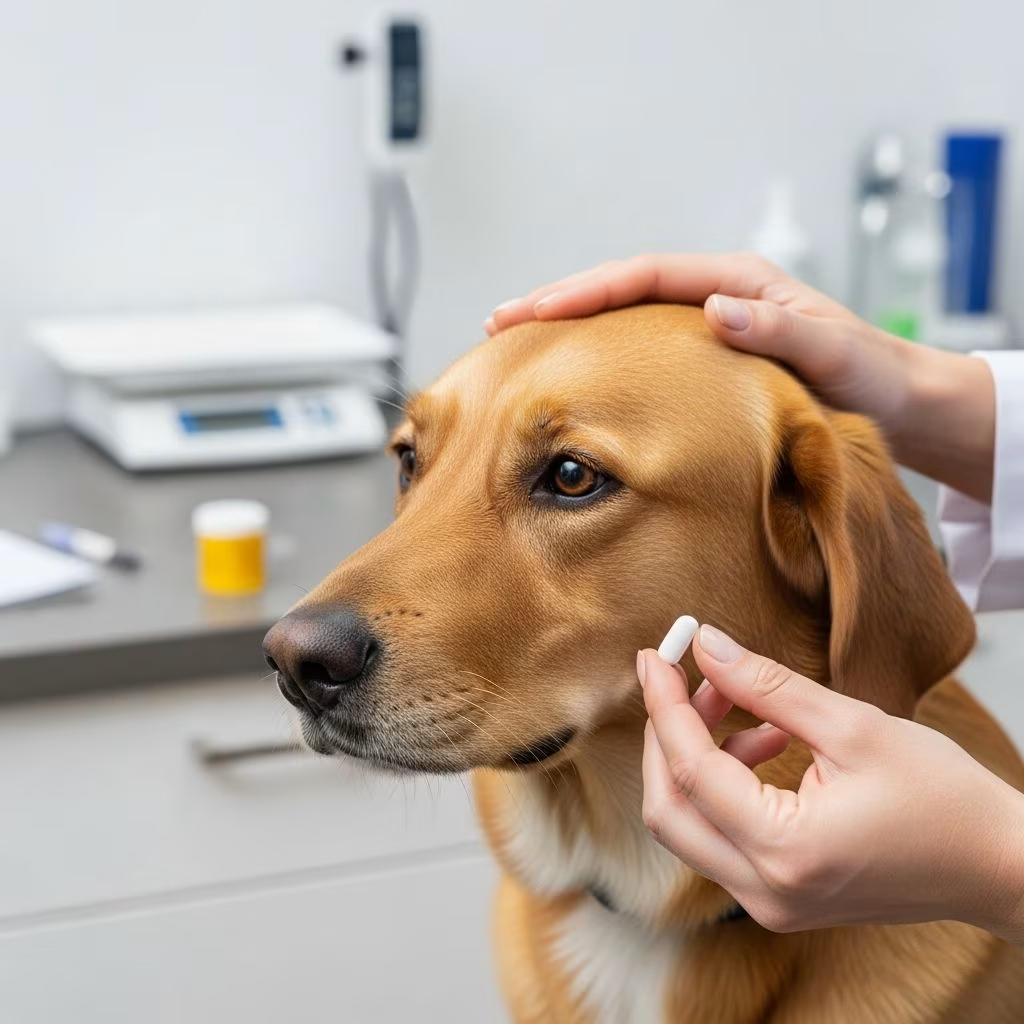
Ivermectin serves as a widely used antiparasitic medication for dogs, effectively targeting heartworms, intestinal worms, and external parasites when administered correctly under veterinary supervision. This guide details its applications, proper dosing, potential risks, and management strategies to ensure pet safety.
Understanding Ivermectin’s Role in Canine Health
Ivermectin belongs to the avermectin class of drugs, functioning by disrupting the nervous system of parasites, leading to their paralysis and death. In dogs, it primarily prevents heartworm disease caused by Dirofilaria immitis, transmitted via mosquito bites, and treats infections like roundworms, hookworms, and mites.
Veterinarians prescribe it for monthly heartworm prophylaxis during mosquito seasons, starting at low doses safe for most breeds. Its broad-spectrum action also addresses demodectic mange and other ectoparasites, making it a staple in preventive care.
Common Uses and Administration Methods
Dogs typically receive ivermectin orally as flavored chewables or tablets for heartworm prevention, with injections reserved for specific treatments in clinical settings. Monthly dosing aligns with parasite life cycles, ensuring continuous protection.
- Heartworm Prevention: Administered once monthly to kill larval stages before maturation.
- Intestinal Parasites: Targets hookworms, roundworms, and whipworms in targeted regimens.
- External Parasites: Effective against mites causing mange, often in combination therapies.
Always pair with food if gastrointestinal upset occurs, and maintain consistent scheduling for efficacy.
Recommended Dosages by Weight and Purpose
Dosage precision is critical, calculated by body weight in milligrams per kilogram (mg/kg). Heartworm preventives use microgram levels, far below toxicity thresholds for standard dogs.
| Purpose | Dosage (mg/lb) | Frequency | Notes |
|---|---|---|---|
| Heartworm Prevention | 0.0015–0.003 mg/lb | Monthly | Up to 0.024 mg/kg safe; FDA-approved products tested for mutants. |
| External Parasites (e.g., Mange) | 0.15 mg/lb | Once, repeat in 2 weeks | Vet-monitored; higher than prevention doses. |
| Internal Parasites | 0.1 mg/lb | Single dose | Adjust for weight; avoid in untested heartworm-positive dogs. |
Never use livestock formulations, as they pose overdose risks.
Breeds at Higher Risk: The MDR1 Genetic Mutation
Certain herding breeds like Collies, Australian Shepherds, and Shelties carry the MDR1 gene mutation, impairing ivermectin metabolism via a defective P-glycoprotein pump in the blood-brain barrier. Even standard doses can cause toxicity in these dogs.
- Collies and mixes with collie ancestry.
- Australian Shepherds, Border Collies.
- Old English Sheepdogs, English Shepherds.
Veterinarians recommend genetic testing via cheek swab for at-risk breeds before prescribing. FDA-approved heartworm products remain safe at labeled doses, even for mutants.
Recognizing and Responding to Toxicity Signs
Overdose occurs from misadministering large-animal products or environmental exposure, like eating treated horse manure. Symptoms emerge within hours: lethargy, vomiting, dilated pupils, incoordination, tremors, seizures, and coma in severe cases.
Emergency Steps:
- Stop administration immediately.
- Contact a vet or poison hotline.
- Induce vomiting if recent ingestion (under vet guidance).
- Treatment involves decontamination, IV fluids, activated charcoal, and anti-seizure meds; most recover with prompt care.
Toxicity thresholds: Most dogs tolerate up to 2.5 mg/kg, but mutants succumb at 0.1 mg/kg.
Side Effects and Contraindications
At therapeutic doses, side effects are rare but may include mild vomiting, diarrhea, or drooling. Avoid in puppies under 6 weeks, pregnant/lactating bitches without vet approval, or heartworm-positive dogs, as it can trigger anaphylaxis.
Drug interactions with spinosad (e.g., Comfortis) amplify risks in mutants. Always disclose full medication history.
Safer Alternatives for Sensitive Dogs
For MDR1 carriers or toxicity concerns, opt for non-ivermectin preventives:
| Alternative | Active Ingredient | Targets | Safety Notes |
|---|---|---|---|
| Interceptor | Milbemycin oxime | Heartworm, intestinal worms | Safe for mutants; monthly chew. |
| Sentinel | Lufenuron + Milbemycin | Heartworm, fleas, worms | Low neurotoxicity risk. |
| Advantage Multi | Moxidectin + Imidacloprid | Heartworm, external parasites | Topical; vet-prescribed. |
Regular fecal exams and heartworm tests guide tailored protocols.
Preventive Strategies and Best Practices
Integrate ivermectin into a year-round parasite control plan, combining with flea/tick products and environmental management. Test for heartworms annually, even on preventives.
- Store securely away from pets and livestock meds.
- Use only vet-prescribed products.
- Monitor for early toxicity signs post-dosing.
- Genetic test at-risk breeds via services like Washington State University.
Frequently Asked Questions (FAQs)
Can all dogs take ivermectin for heartworm prevention?
Yes, FDA-approved products are safe at recommended doses for most dogs, including mutants, but consult a vet for breed risks.
What happens if my dog eats horse ivermectin paste?
Seek immediate vet care; it can cause severe overdose due to concentrated dosing.
Is ivermectin safe for pregnant dogs?
Generally yes at preventive doses, but confirm with a vet.
How quickly does ivermectin work against parasites?
Oral forms kill within 1-2 days; injections act in 1-2 hours.
Should I test for MDR1 mutation?
Essential for herding breeds or those showing sensitivity.
Conclusion
Ivermectin remains a cornerstone of canine parasite control when used judiciously. Veterinary oversight ensures benefits outweigh risks, safeguarding dogs from debilitating infections.
References
- Ivermectin Poisoning in Dogs: Symptoms and Breeds at Risk — Vets Now. 2023. https://www.vets-now.com/pet-care-advice/ivermectin-toxicity-for-dogs/
- Ivermectin Toxicity in Dogs — PetMD. 2024. https://www.petmd.com/dog/poisoning/ivermectin-toxicity-in-dogs
- Ivermectin For Dogs — MetLife Pet Insurance. 2023. https://www.metlifepetinsurance.com/blog/pet-health/ivermectin-for-dogs/
- Ivermectin for Dogs: Dosages, Side Effects, and More — GoodRx. 2024. https://www.goodrx.com/pet-health/dog/ivermectin
- Ivermectin for Dogs: Uses, Side Effects, and Alternatives — American Kennel Club. 2023. https://www.akc.org/expert-advice/health/ivermectin-for-dogs/
- Veterinary use of ivermectin — PubMed (Peer-reviewed). 1990-09-01. https://pubmed.ncbi.nlm.nih.gov/2198752/



