

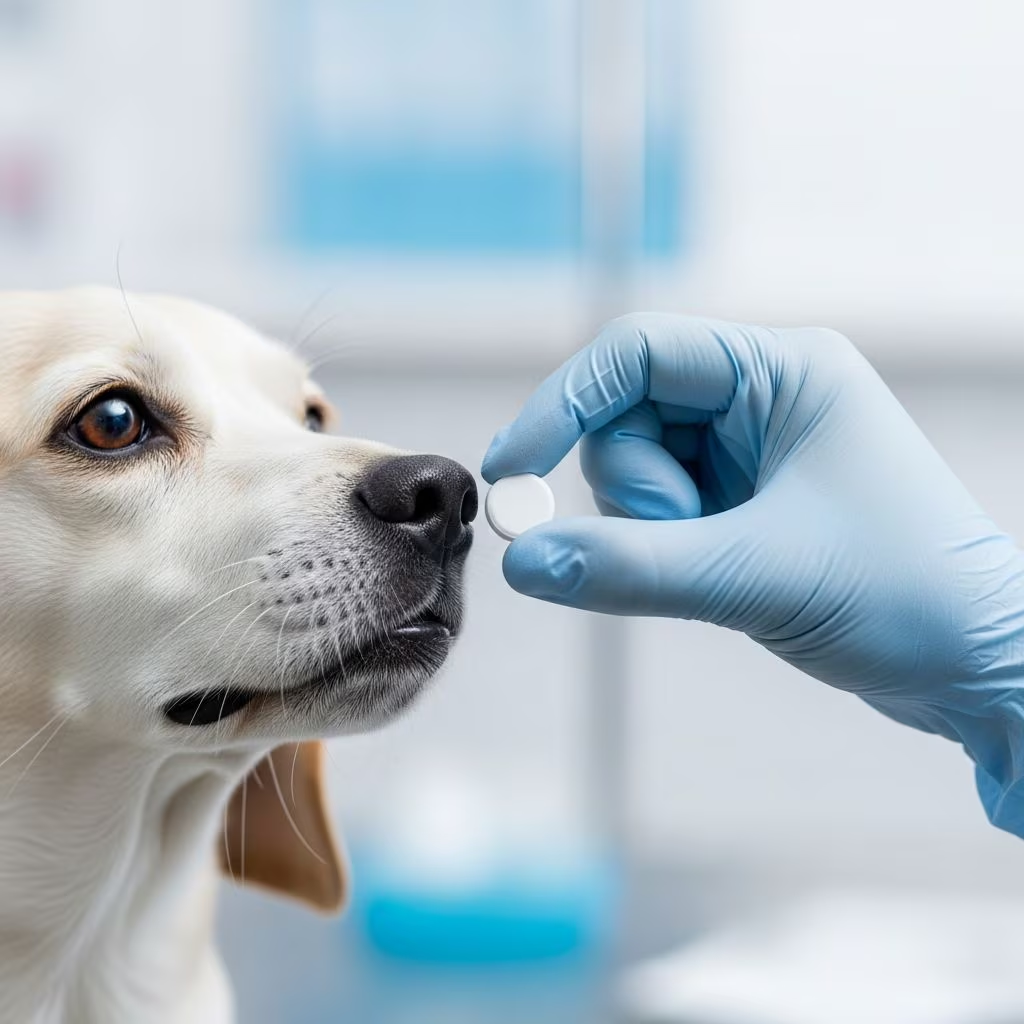
Ivermectin for Dogs: A Comprehensive Guide
Ivermectin is one of the most commonly prescribed veterinary medications for dogs, playing a crucial role in maintaining canine health and preventing serious parasitic infections. This powerful antiparasitic medication has been trusted by veterinarians for decades to protect dogs from potentially life-threatening conditions. Understanding how ivermectin works, its appropriate uses, proper dosing, and potential risks is essential for every dog owner who wants to provide their pet with the best possible care.
What Is Ivermectin and How Does It Work?
Ivermectin is a veterinary medication that belongs to a class of drugs called avermectins. The primary mechanism of action involves targeting the nervous system of parasites, effectively paralyzing them so they eventually die and are eliminated from the body. This targeted approach makes ivermectin particularly effective against a wide range of parasites while minimizing harm to the host animal when used at appropriate doses.
The medication works by interfering with the neurotransmission in parasitic organisms, disrupting their ability to function and survive. This mechanism makes ivermectin effective against multiple types of parasites, which is why veterinarians consider it such a versatile treatment option in canine medicine.
Primary Uses of Ivermectin in Dogs
Ivermectin serves multiple important functions in canine healthcare:
Heartworm Prevention
The most common use of ivermectin is for heartworm prevention in dogs. Heartworm is a serious parasitic disease transmitted by mosquitoes that can cause severe health complications, including heart failure, lung disease, and organ damage. Regular ivermectin administration at preventive doses significantly reduces the risk of heartworm infection, making it an essential component of responsible pet ownership in heartworm-endemic regions.
Internal Parasite Treatment
Ivermectin is highly effective at treating various internal parasites, including certain types of intestinal worms. It can be used to eliminate parasites that cause gastrointestinal distress, nutrient malabsorption, and other health complications in dogs of all ages.
External Parasite Management
Beyond internal parasites, ivermectin is also used to treat external parasites, including certain mites that cause mange and other skin conditions. This dual capability makes ivermectin an important tool in comprehensive parasite management.
Forms of Administration
Ivermectin comes in several convenient forms, allowing veterinarians and pet owners to choose the most suitable option for their specific situation:
- Tablets: Standard oral tablets that can be given directly or hidden in food
- Chewables: Flavored chewable tablets designed to be more palatable for dogs
- Topical liquid: Applied directly to the skin for absorption
- Paste: Oral paste formulation for easier administration to dogs that resist tablets
- Injectable: Administered by a qualified veterinarian when other forms are not suitable
The variety of formulations ensures that nearly every dog can receive treatment in a form that works best for their individual temperament and health status.
Proper Dosage Guidelines
Correct dosing is absolutely critical when administering ivermectin to dogs. Dosage varies significantly depending on the condition being treated and the dog’s individual characteristics. Veterinarians carefully calculate doses based on the dog’s weight and the specific parasite being targeted.
Heartworm Prevention Dosage
For heartworm prevention, the general guideline is 0.0015 to 0.003 milligrams per pound administered once monthly. This preventive dose is deliberately kept low to minimize any risk of adverse effects while maintaining consistent protection against heartworm infection.
External Parasite Treatment Dosage
When treating external parasites such as mites, veterinarians typically administer 0.15 milligrams per pound as an initial dose, with a second dose given approximately two weeks later. This two-dose protocol ensures complete elimination of the parasite population.
Internal Parasite Treatment Dosage
For internal parasites, a single dose of approximately 0.1 milligrams per pound is often sufficient for effective treatment. However, some conditions may require multiple doses depending on the specific parasite and severity of infestation.
Administration Guidelines
Proper administration ensures maximum effectiveness and minimizes potential complications. Ivermectin can be given with or without food, though some dogs experience gastrointestinal upset on an empty stomach. If your dog becomes nauseous or vomits after receiving ivermectin on an empty stomach, future doses should be given with a meal or treat.
The medication typically takes effect within one to two hours of administration, though visible results may not be immediately apparent. Laboratory tests may be necessary to confirm the effectiveness of treatment for certain parasitic conditions.
Safety Considerations and Risk Factors
While ivermectin is generally considered safe when used appropriately, several important safety considerations exist.
Dogs That Should Not Receive Ivermectin
Certain dogs should not be given ivermectin, including:
- Puppies under six weeks of age
- Dogs with a positive heartworm test or those who have not been tested for heartworm
- Dogs with known allergies to ivermectin or similar medications
- Dogs with severe health conditions or compromised immune systems
Breed Sensitivities
Certain dog breeds demonstrate increased sensitivity to ivermectin due to a genetic mutation called MDR1 (multidrug resistance gene). This genetic variation affects how these dogs metabolize the medication, potentially leading to toxicity even at therapeutic doses.
Breeds most commonly affected by MDR1 sensitivity include:
- Collies
- Shetland Sheepdogs
- Australian Shepherds
- Collie or sheepdog cross-breeds
- Border Collies
- German Shepherds
The good news is that heartworm prevention doses of ivermectin, such as those found in combination products like ivermectin + pyrantel, are considered safe even for MDR1-sensitive breeds. DNA testing can determine whether a dog carries the MDR1 mutation, though such testing is not always necessary when using low-dose formulations.
Signs of Ivermectin Toxicity
While toxicity is uncommon when ivermectin is used at proper preventive doses, it can occur with overdose or in sensitive individuals. Owners should watch for the following signs:
- Tremors or muscle twitching
- Dilated pupils
- Lethargy or depression
- Vomiting or diarrhea
- Loss of appetite
- Drooling or excessive salivation
- Disorientation or confusion
- Seizures (in severe cases)
- Coma (in cases of severe overdose)
If any of these symptoms appear after ivermectin administration, contact your veterinarian immediately. Early intervention can prevent serious complications.
Ivermectin Toxicity and Treatment
Toxicity typically occurs when dogs receive doses intended for larger animals, such as horses, or when a dose calculated for a larger dog is mistakenly given to a smaller animal. At therapeutic doses approved by the FDA for dogs, toxicity is extremely rare.
If toxicity occurs, treatment depends on timing and severity. Within two hours of ingestion and before neurological signs develop, a veterinarian may induce vomiting or administer activated charcoal to reduce absorption. Once neurological signs appear, these decontamination methods are no longer safe.
Dogs showing signs of ivermectin toxicity require hospitalization and intensive supportive care, including intravenous fluids, medications to control symptoms like vomiting and seizures, and careful monitoring of vital functions. In severe cases, mechanical ventilation may be necessary. A newer treatment called intralipid therapy may help accelerate ivermectin elimination from body tissues.
Combination Products Containing Ivermectin
Many modern heartworm prevention products contain ivermectin combined with other antiparasitic medications, such as pyrantel and praziquantel. These combination formulations provide broader spectrum parasite protection in a single dose.
Combination products like ivermectin + pyrantel and ivermectin + pyrantel + praziquantel use low doses of ivermectin that are safe for MDR1-sensitive breeds without requiring genetic testing. These products are administered orally as flavored chewables or tablets and can be given with or without food.
Monitoring and Precautions
For dogs with potential ivermectin sensitivity, screening through DNA testing can determine MDR1 mutation status before administering higher doses. However, as mentioned, low-dose formulations are safe without testing.
Always inform your veterinarian about any other medications, supplements, or herbal therapies your dog is taking, as potential drug interactions may exist. Additionally, pregnant and nursing dogs should only receive ivermectin under veterinary guidance, as safety varies depending on the specific formulation and combination products used.
Frequently Asked Questions About Ivermectin for Dogs
Q: Is ivermectin safe for all dog breeds?
A: Ivermectin is safe for most dogs at appropriate preventive doses. However, certain breeds with the MDR1 genetic mutation show increased sensitivity. These breeds should be carefully evaluated by a veterinarian before receiving ivermectin, though low-dose formulations used for heartworm prevention are generally safe even for sensitive breeds.
Q: How often should my dog receive ivermectin for heartworm prevention?
A: The standard heartworm prevention protocol involves administering ivermectin once monthly year-round in most climates. Some regions with seasonal heartworm transmission may allow seasonal prevention, but this should be determined by your veterinarian based on local conditions.
Q: Can ivermectin be given without food?
A: Yes, ivermectin can be administered with or without food. However, if your dog experiences nausea or vomiting on an empty stomach, future doses should be given with food or a treat to improve tolerability.
Q: What should I do if my dog vomits after receiving ivermectin?
A: If vomiting occurs, contact your veterinarian. They may recommend administering future doses with food, or they may investigate whether your dog is having a reaction to the medication.
Q: Can puppies receive ivermectin?
A: Puppies under six weeks of age should not receive ivermectin. Once puppies reach six weeks of age and have tested negative for heartworm, ivermectin can be safely started under veterinary supervision.
Q: What is the MDR1 mutation and how does it affect ivermectin use?
A: The MDR1 mutation is a genetic variation found in certain dog breeds that affects how their bodies process ivermectin. Dogs with this mutation may show sensitivity to higher doses, though preventive doses are safe. DNA testing can identify carriers before treatment begins.
Q: Is there an antidote for ivermectin overdose?
A: Unfortunately, there is no specific antidote for ivermectin toxicity. Treatment focuses on supportive care, including hospitalization, intravenous fluids, and medications to manage symptoms until the drug is naturally eliminated from the body.
References
- Ivermectin For Dogs — MetLife Pet Insurance. 2025. https://www.metlifepetinsurance.com/blog/pet-health/ivermectin-for-dogs/
- Ivermectin + Pyrantel — VCA Animal Hospitals. 2025. https://vcahospitals.com/know-your-pet/ivermectin–pyrantel
- Ivermectin Toxicity in Dogs — PetMD. 2025. https://www.petmd.com/dog/poisoning/ivermectin-toxicity-in-dogs
- Ivermectin + Pyrantel + Praziquantel — VCA Animal Hospitals. 2025. https://vcahospitals.com/know-your-pet/ivermectin–pyrantel–praziquantel
- Ivermectin Use in Veterinary Medicine: What You Need to Know — University of Tennessee College of Veterinary Medicine. 2025. https://vetmed.tennessee.edu/ivermectin-use-in-veterinary-medicine-what-you-need-to-know/



