

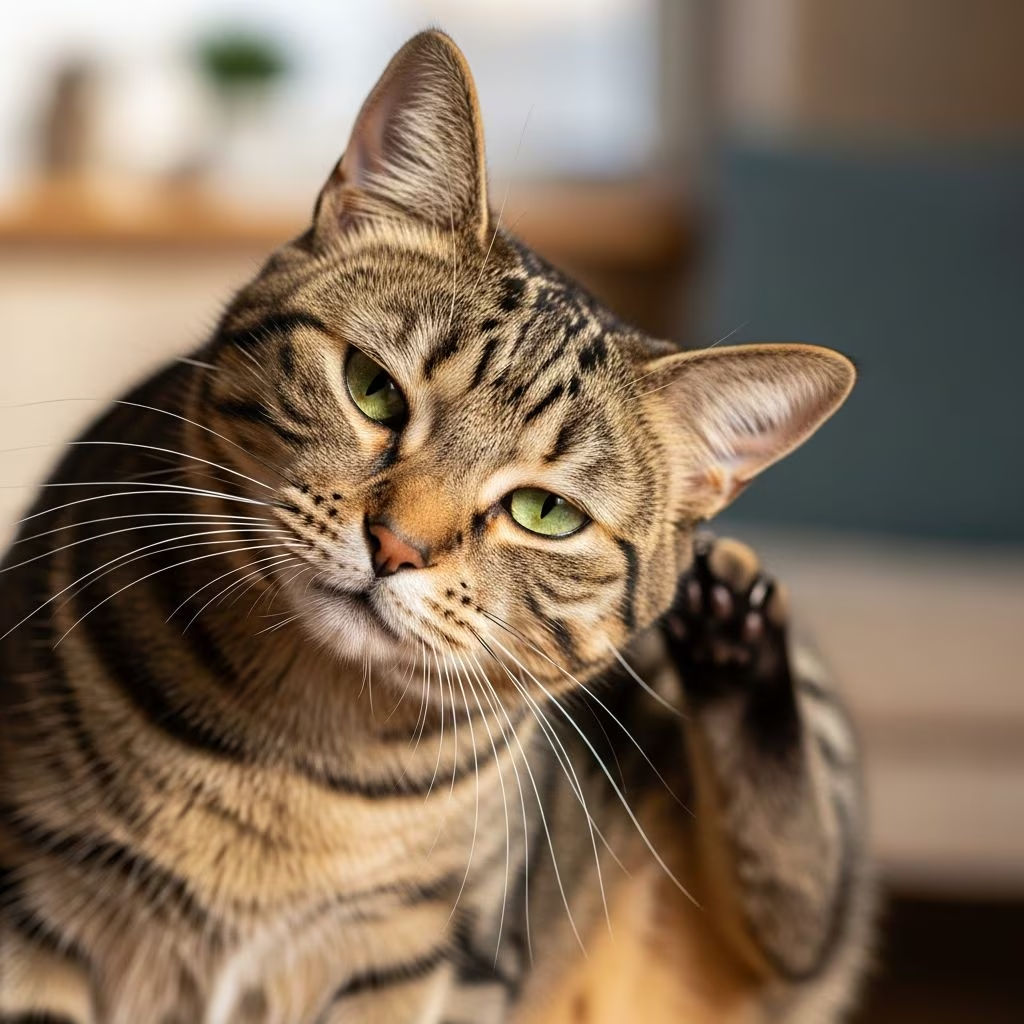
Understanding Why Your Cat Is Itchy
If your feline companion is constantly scratching, licking, or grooming excessively, they may be experiencing pruritus—the medical term for itching. While occasional grooming is normal cat behavior, excessive scratching can indicate an underlying health issue that requires attention. Itching is a sign, not a diagnosis or a specific disease, and identifying the root cause is essential for effective treatment. The most common causes of itching in cats are parasites, infections, and allergies. Understanding what triggers your cat’s discomfort is the first step toward providing relief and improving their quality of life.
Common Causes of Itching in Cats
Parasites
Parasites are among the most frequent culprits behind feline itching. Even indoor cats can contract parasites, as fleas and other pests can hitch-hike into your home on other pets, clothing, or human visitors. Fleas are particularly problematic because they don’t just cause discomfort—they can trigger a severe allergic reaction.
Flea Allergy Dermatitis (FAD) is one of the most common types of allergies in cats. In sensitive cats, even a single flea bite can provoke an intense reaction to flea saliva, resulting in severe itching, redness, and inflammation along the back and other areas. Beyond fleas, other parasites like ear mites, harvest mites, and microscopic mites that cause mange can also lead to intense itching, hair loss, and skin irritation.
Infections
Both bacterial and fungal infections are common causes of itching in cats. These infections may be primary conditions or secondary problems that develop after scratching has already damaged the skin barrier.
Fungal Infections: Ringworm, caused by the fungus Microsporum canis, is the most common fungal cause of skin disease in cats. Yeast infections, particularly those caused by Malassezia species, also frequently cause itchy infections. Ringworm is highly contagious and can spread through direct contact with fungal spores, which can persist on objects and surfaces for up to 18 months.
Bacterial Infections: Bacteria can be a primary cause of skin disease or secondary invaders that colonize already-damaged skin. When itching leads to scratching and broken skin, bacteria can enter and establish infections, causing additional symptoms like redness, swelling, odor, and scabs. Prompt veterinary care is essential to stop these infections and relieve your cat’s discomfort.
Allergies
Allergies are another significant cause of itching in cats. Cats can be allergic to many of the same substances that affect humans, including environmental factors and food.
Environmental Allergies: These are triggered by airborne allergens such as pollen, dust mites, mold, and other seasonal triggers. Environmental allergies typically produce seasonal itching patterns, though some cats may experience year-round symptoms.
Contact Allergies: Some cats develop reactions to substances that come into direct contact with their skin, including certain cat litters, fabrics, dyes, cleaning products, plastics, or plants.
Food Allergies: Food allergies cause itching that typically isn’t seasonal and can persist year-round. Importantly, cats with food allergies are much more likely to develop other skin diseases. Food allergies cannot be diagnosed through blood tests or skin testing alone.
Atopy: Long-term itching that doesn’t involve parasites, infections, or food allergies is often diagnosed as atopic dermatitis, an inherited immune system condition that makes cats susceptible to allergic reactions.
Dry Skin
Dry skin is another factor that can contribute to itchiness in cats. This condition is more common during colder months when indoor heating lowers humidity levels, but it can also result from poor nutrition or excessive bathing. Feeding a balanced diet rich in omega-3 fatty acids and using gentle, pet-safe shampoos can help restore skin health and moisture.
Distinguishing Between Scratching and Other Behaviors
It’s important to recognize that not all excessive licking and scratching indicate an itch. Sometimes these behaviors are signs of anxiety, stress, or other underlying issues. Your veterinarian can help you determine whether your cat is actually scratching due to physical discomfort or whether behavioral factors are involved.
How to Diagnose the Cause of Your Cat’s Itching
Figuring out the true cause of your cat’s itching may take some effort and patience, especially when multiple factors are involved. Your veterinarian will start with a thorough physical examination and may recommend diagnostic tests to identify the underlying problem.
Diagnostic Procedures
Your veterinarian may perform the following tests:
- Skin Scrapings: Microscopic examination of skin samples to identify parasites like mites.
- Fungal Cultures: Specialized cultures can identify fungal infections such as ringworm.
- Bacterial and Yeast Samples: Samples may be taken from the skin to identify bacterial and yeast infections.
- Allergy Testing: Blood work or intradermal skin testing to help identify allergic triggers.
- Exclusion Diets: If food allergy is suspected, your veterinarian will specify a specialized diet, often containing novel proteins like lamb that your cat hasn’t previously consumed, to help isolate the problematic ingredient.
Treatment Options for Itchy Cats
Parasite Control
The first line of defense against itching caused by parasites is consistent use of flea and tick preventatives. These medications are highly effective at preventing infestations before they start. For cats with existing flea allergy dermatitis, eradication of the flea problem should resolve the issue, though severe cases may require additional veterinary treatment to stop the itching. Environmental flea control and treating all pets in the household are crucial for success.
Antibiotic and Antifungal Treatments
Once an infection is identified, treatment is straightforward. Bacterial infections and abscesses are typically treated with antibiotics, either oral or topical formulations. Fungal infections, including yeast infections, usually respond to antifungal medications. Your veterinarian may prescribe a course of antibiotic or antifungal drugs that lasts 3 to 4 weeks. If the itching goes away with this treatment, the cause was microbial. However, if itching persists or only partially improves, the underlying cause may be an allergy.
Managing Allergies
Successful treatment of allergies depends on identifying and managing the underlying trigger. Environmental allergies require identification and removal of triggers where possible, along with medication to control the inflamed, itchy skin. For food allergies, strict adherence to the prescribed exclusion diet is essential—you must follow the diet fully and carefully while avoiding treats that don’t comply.
Anti-Inflammatory and Immunosuppressive Medications
Some cases of itching may require anti-inflammatory drugs like corticosteroids or immunosuppressive drugs like cyclosporine to break the cycle of inflammation and provide relief. These medications can be effective but should be prescribed and monitored by your veterinarian.
Supporting Gut Health
Many skin diseases in cats are caused by an immune system overreaction. Effective treatment should target the immune system by focusing on gut health, as 70–80% of the body’s immune cells live in the gut. Diet is the best way to manage your cat’s gut health. Feeding a high-protein, low-carbohydrate diet and incorporating prebiotics and probiotics can improve gut and immune function. Essential fatty acids are important modulators of immune system activity and should be incorporated into your cat’s diet through high-quality fish oil supplements or omega-3 rich foods.
Home Care and Comfort Measures
Preventing Further Damage
Try to prevent your cat from scratching already irritated skin and making inflammation worse. Some pet owners prefer to use recovery suits or inflatable collars instead of traditional cones, which provide comfort while protecting healing skin.
Medicated Baths and Shampoos
A warm bath with a special cat shampoo can soothe itchy skin and remove irritating substances like pollen. Ask your veterinarian about medicated shampoos that might improve your cat’s symptoms and provide additional therapeutic benefits.
Regular Grooming
Regular brushing or combing, especially if your cat has long or thick hair, helps prevent matting, dry skin, and dandruff—all of which can cause scratching or licking. This simple maintenance routine can significantly reduce itching triggers.
Dietary Improvements
Incorporate more essential fatty acids into your cat’s diet with a high-quality fish oil supplement, as these are important for immune system regulation. Support your cat’s gut health by feeding a high-protein, low-carbohydrate diet that promotes beneficial bacterial growth.
When to Seek Veterinary Care
While mild itching can sometimes be managed at home with dietary supplements and parasite control, you should schedule a veterinary appointment if:
- Your cat’s itching is severe or persistent
- You notice signs of skin infection (redness, swelling, odor, or scabs)
- Your cat has hair loss or raw patches
- Home treatment doesn’t improve symptoms within a few weeks
- Your cat shows signs of discomfort affecting their quality of life
Prevention Strategies
Preventing itching is always easier than treating it. Use flea and tick preventatives consistently year-round, maintain regular grooming routines, feed a high-quality diet rich in omega-3 fatty acids, and keep your cat’s environment clean and free of common allergens. Regular veterinary check-ups can help catch skin problems early before they develop into more serious conditions.
Frequently Asked Questions
Q: Can indoor cats get fleas?
A: Yes, indoor cats can contract fleas as they can hitch-hike into your home on other pets, clothing, or human visitors. It’s recommended to use routine preventative flea treatment in indoor cats.
Q: How is ringworm transmitted to cats?
A: Ringworm is transmitted through direct contact with fungal spores, which can persist on objects and surfaces for up to 18 months. It’s highly contagious and requires proper treatment and environmental cleaning.
Q: Can cats have food allergies?
A: Yes, cats can develop food allergies that cause year-round itching. These allergies cannot be diagnosed through blood tests or skin testing alone and require an exclusion diet prescribed by your veterinarian.
Q: What is flea allergy dermatitis?
A: Flea allergy dermatitis is an allergic reaction to flea saliva. Some cats can experience severe reactions to a single flea bite, resulting in intense itching, redness, and inflammation.
Q: How long does antibiotic treatment typically last for skin infections?
A: Antibiotic or antifungal treatment courses typically last 3 to 4 weeks, depending on the type and severity of the infection.
Q: Are there alternatives to cone collars for protecting my itchy cat?
A: Yes, recovery suits and inflatable collars are gentler alternatives to traditional cone collars that still protect your cat’s skin while being more comfortable.
References
- Itchy Cat? How to Identify the Cause and Soothe the Symptoms — Animal Biome. https://www.animalbiome.com/blogs/cat/itchy-cat-how-to-identify-the-cause-and-soothe-the-symptoms
- Itching (Pruritus) in Cats – Cat Owners — MSD Veterinary Manual. https://www.msdvetmanual.com/cat-owners/skin-disorders-of-cats/itching-pruritus-in-cats
- Itchy Pets: Causes, Treatments, and How to Keep Your Pet Comfortable — Hunterdon Hills Animal Hospital. https://www.hunterdonhillsanimalhospital.com/blog/itchy-pets-causes-treatments-and-how-to-keep-your-pet-comfortable
- Itchy cats and skin disorders — Cats Protection UK. https://www.cats.org.uk/media/1033/vg04_itchy_cats_and_skin_disorders.pdf
- How can my cat be itchy and scratchy? He lives indoors! — Douxo. https://douxo.de/blogs/cat-news/how-can-my-cat-be-itchy-and-scratchy-he-lives-indoors
- Itchy cat – when it is not fleas — International Cat Care. https://icatcare.org/articles/itchy-cat-when-it-is-not-fleas



