
Issues with Training a Cockatiel: Solutions & Tips
Master cockatiel training challenges with proven strategies and expert guidance.
Understanding Common Cockatiel Training Issues
Training a cockatiel can be one of the most rewarding experiences as a pet owner, yet it often comes with unique challenges that require patience, understanding, and proper technique. Cockatiels are intelligent, social birds with distinct personalities and behavioral patterns that differ significantly from other pets. Whether you’re a first-time cockatiel owner or an experienced bird enthusiast, understanding the root causes of training difficulties is essential for success. Many owners encounter obstacles during the training process, from behavioral resistance to attention span issues, all of which can be addressed with the right approach and knowledge.
Why Cockatiels Struggle with Training
Cockatiels possess independent personalities and strong instincts that can make training challenging. Unlike dogs or cats, these birds communicate through vocalizations, body language, and behavioral cues that owners must learn to interpret correctly. A cockatiel that seems stubborn or unresponsive may actually be experiencing fear, stress, or simply not understanding what is expected of them. Understanding your bird’s emotional state is crucial before beginning any training session. Additionally, cockatiels have relatively short attention spans compared to larger parrots, requiring trainers to adapt their methods accordingly by keeping sessions brief and highly focused.
Common Training Challenges and Their Causes
Short Attention Span and Session Length
One of the most frequent issues cockatiel owners encounter is their bird’s limited ability to focus during training sessions. Cockatiels typically perform best in short bursts of 10 to 15 minutes, either in two sessions daily or broken into several smaller sessions throughout the day. Attempting longer training sessions often results in frustration for both owner and bird. When a cockatiel becomes bored or overstimulated, they may refuse to cooperate, display aggressive behavior, or simply lose interest in treats and rewards. Recognizing when your bird is reaching its attention limit is critical—signs include looking away, restlessness, or attempting to fly away from the training area.
Fear and Trust Issues
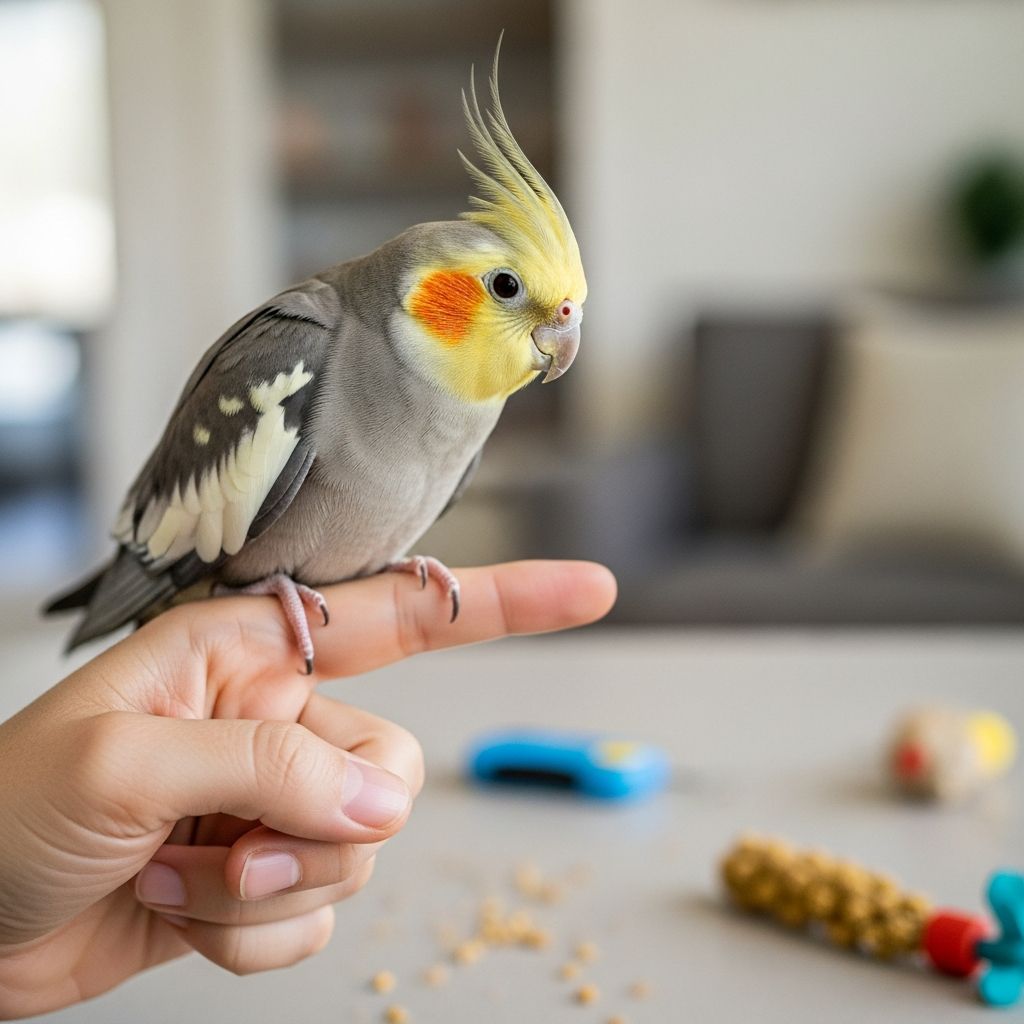
Many cockatiels struggle with training because they lack sufficient trust in their owners. Birds that have experienced rough handling, sudden movements, or unpredictable interactions often develop fear responses that inhibit learning. A frightened cockatiel will prioritize survival instincts over training objectives, making progress virtually impossible. Building trust requires consistent, gentle interactions over extended periods. Never grab your cockatiel, as this action can trigger deep-seated fear responses. Instead, slowly extend your index finger toward the bird’s chest and allow it to step onto your hand voluntarily. This approach respects the bird’s autonomy while building positive associations with your presence.
Inconsistent Reward Timing
Timing is everything in bird training. Cockatiels learn faster when rewards follow desired behavior immediately, often within seconds. Delayed rewards create confusion about which action earned the treat, significantly slowing the learning process. Additionally, rewards must remain consistent—if you reward a behavior sometimes but not others, your cockatiel will become confused and less motivated to perform the action. The inconsistency essentially trains the bird that cooperation is unpredictable, undermining your training efforts entirely.
Inadequate Positive Reinforcement
Not all treats are equally motivating for every cockatiel. While sunflower seeds and small bits of fruit work well for many birds, individual preferences vary considerably. Some cockatiels respond better to verbal praise and affection than food rewards. If your cockatiel isn’t responding enthusiastically to training, the issue may be that your chosen rewards lack sufficient value. Additionally, many owners fail to combine treats with enthusiastic verbal praise delivered in a calm, positive tone. The combination of immediate treat delivery and encouraging words creates stronger learning associations than either reward alone.
Environmental Factors Affecting Training Success
Training Space and Setup
The training environment plays a surprisingly significant role in your cockatiel’s ability to focus and learn. A quiet room where your bird feels safe, away from loud noises and potential distractions, creates optimal conditions for learning. Bright, engaging toys positioned within the training space can help maintain interest during sessions. However, too many distractions can overwhelm your bird and prevent concentration. The ideal training area should be dedicated, consistent, and free from sudden interruptions or environmental changes.
Timing of Training Sessions
Consistent timing for training sessions helps establish routine and prepares your cockatiel mentally for learning opportunities. Many birds perform best during morning hours when they’re most alert and active. Avoid training immediately after your bird has eaten a large meal or when they appear tired or grumpy. Observing your cockatiel’s natural energy rhythms and scheduling training during peak alertness periods significantly improves success rates. Additionally, never attempt training during molting season or when your bird is experiencing stress from environmental changes.
Behavioral Challenges During Training
Biting and Aggression
Biting is often misinterpreted as aggression when it actually indicates fear, confusion, or lack of understanding about what the owner wants. Before assuming your cockatiel is aggressive, evaluate whether you’re moving too quickly, applying too much pressure, or neglecting to give the bird adequate personal space. Try using slow, deliberate movements and provide space for your bird to retreat if needed. Watch for warning signs such as raised feathers, hissing, or backing away—these indicate your cockatiel is feeling threatened. Adjusting your approach based on these signals prevents bites and builds trust over time.
Refusing to Cooperate
When a cockatiel refuses to cooperate during training, the typical causes include fatigue, boredom, inadequate motivation, or simply not understanding what you’re asking. Rather than forcing the issue, take a step back and reassess your approach. Is your reward valuable enough? Is the session too long? Does your bird fully understand the desired behavior? Sometimes reducing training duration by half or changing the training location can reignite your bird’s enthusiasm and cooperation.
Building Trust: The Foundation of Successful Training
Trust is absolutely fundamental to successful cockatiel training. Without trust, even the most well-executed training methods will fail. Building trust requires spending quality time with your bird, speaking in a calm and friendly voice, and consistently associating your presence with positive experiences like treats and gentle interaction. Wait at least a week before handling a newly acquired cockatiel, allowing them to acclimate to their new environment and your presence. Once basic comfort is established, begin hand-feeding treats to further strengthen positive associations. Remember that each cockatiel is unique—what works for one bird may not work for another, requiring flexibility and observation on your part.
Training Progression and Difficulty Adjustment
Successfully training a cockatiel requires careful progression through training stages, with difficulty levels adjusted based on your bird’s performance and comprehension. Start with basic commands like stepping up or simple whistled tunes before advancing to more complex tricks. As your cockatiel masters fundamental skills, introduce intermediate challenges such as ringing a bell or fetching. Only after demonstrating mastery of these skills should you attempt advanced tricks like color matching or hoop flying. Pushing too hard, too fast leads to frustration and abandonment of training efforts.
| Training Level | Sample Activities | Difficulty Rating |
|---|---|---|
| Beginner | Step Up, Simple Whistle Commands | Easy |
| Intermediate | Ring Bell, Basic Fetch, Come When Called | Moderate |
| Advanced | Color Recognition, Hoop Flying, Target Training | Challenging |
Effective Training Techniques That Work
Positive Reinforcement Strategy
Positive reinforcement consistently produces superior results compared to punishment-based approaches. When your cockatiel performs the desired behavior, immediately provide a reward—whether that’s a treat, praise, or both. This creates a clear cause-and-effect relationship in your bird’s mind: “When I do X, good things happen.” Repetition of this pattern, combined with consistent rewards, gradually establishes reliable behavior patterns.
Clicker Training Method
Clicker training provides a precise communication tool for marking the exact moment your cockatiel performs correctly. Once your bird learns to associate the click sound with an incoming reward, the click becomes a powerful training signal that bridges the gap between behavior and reward. This method works exceptionally well for cockatiels because it removes ambiguity about which specific action earned the reward.
Short, Frequent Sessions
Multiple short training sessions produce better results than fewer longer sessions. A cockatiel maintaining focused attention for 10-15 minutes learns more effectively than one struggling through a 45-minute marathon session. Two or three brief daily sessions, with breaks between them, keeps motivation high and prevents the burnout that leads to training resistance.
Recognizing Signs of Training Progress
Understanding what success looks like helps you maintain motivation and adjust your approach as needed. Positive indicators of training progress include louder chirps of excitement during training sessions, noticeably calmer behavior around you, increased playfulness, and consistent response to learned commands. These signs indicate growing trust and understanding on your cockatiel’s part. Even small improvements deserve celebration and additional treats, as positive feedback encourages continued participation.
Special Considerations for Older Cockatiels
Older cockatiels present unique training challenges compared to younger birds. Established behavior patterns are often deeply ingrained, making modification more difficult. However, older birds can still learn new behaviors—it simply requires additional patience and may progress more slowly than with younger birds. Adjust your expectations accordingly and celebrate progress at whatever pace your senior cockatiel can manage. Some older birds actually demonstrate improved focus during training sessions due to their calmer temperament compared to younger, more energetic birds.
Frequently Asked Questions (FAQs)
Q: How often should I train my cockatiel?
A: Two to three short training sessions daily work best. Each session should last 10 to 15 minutes to maintain your bird’s focus and enthusiasm. Consistency helps your cockatiel understand the routine and stay motivated.
Q: What should I do if my cockatiel refuses to participate in training?
A: Stop immediately and reassess. Evaluate whether your reward is motivating enough, if the session is too long, or if your bird needs more time to build trust. Sometimes simply changing the training location or time of day can reignite enthusiasm. Never force participation.
Q: Why is my cockatiel biting during training?
A: Biting typically indicates fear or confusion rather than aggression. Use slower movements, provide more personal space, and watch for warning signals like raised feathers. Your bird may need more trust-building time before proceeding with training.
Q: How long does it take to train a cockatiel?
A: Training timelines vary significantly based on individual bird personality, prior experience, and the complexity of the behavior being taught. Basic commands like stepping up may take days to weeks, while more complex tricks require months of consistent practice.
Q: What treats work best for cockatiel training?
A: Sunflower seeds and small fruit pieces are popular options, but individual preferences vary. Experiment with different treats to identify your specific bird’s favorite rewards. Remember to deliver treats immediately after desired behavior to create strong learning associations.
Q: Can older cockatiels be trained?
A: Yes, older cockatiels can absolutely learn new behaviors, though progress may be slower than with younger birds. Patience and consistency remain essential, and you should adjust expectations to match your mature bird’s pace.
Conclusion
Addressing training issues with your cockatiel requires understanding the root causes of behavioral challenges, maintaining patience throughout the process, and adapting your approach based on your individual bird’s needs and personality. By creating a supportive training environment, using consistent positive reinforcement, building strong trust, and keeping sessions brief and engaging, most training obstacles can be overcome. Remember that every cockatiel progresses at their own pace—celebrate small victories, remain flexible in your methods, and enjoy the journey of bonding with your feathered companion. With dedication and the right techniques, your cockatiel can learn an impressive repertoire of behaviors and tricks while strengthening the bond between you both.
References
- Fun & Easy Cockatiel Training: Tips & Tricks Guide — Cockatiel Ask. 2025. https://cockatielask.com/training-behavior/how-to-make-training-fun-for-cockatiels/
- Training a Cockatiel: What You Need to Know — YouTube. 2025. https://www.youtube.com/watch?v=jqpwdHYo07U
- Taming – Cockatiel Advice and First Aid 101 — Cockatiel Advice 101. 2025. https://www.cockatiel-advice-101.com/taming
Similar Articles








Read full bio of medha deb


