
Israel Turkey Meningoencephalitis Virus in Poultry
Exploring the arboviral threat to turkeys: symptoms, transmission, prevention strategies, and vaccine efficacy in modern flocks.
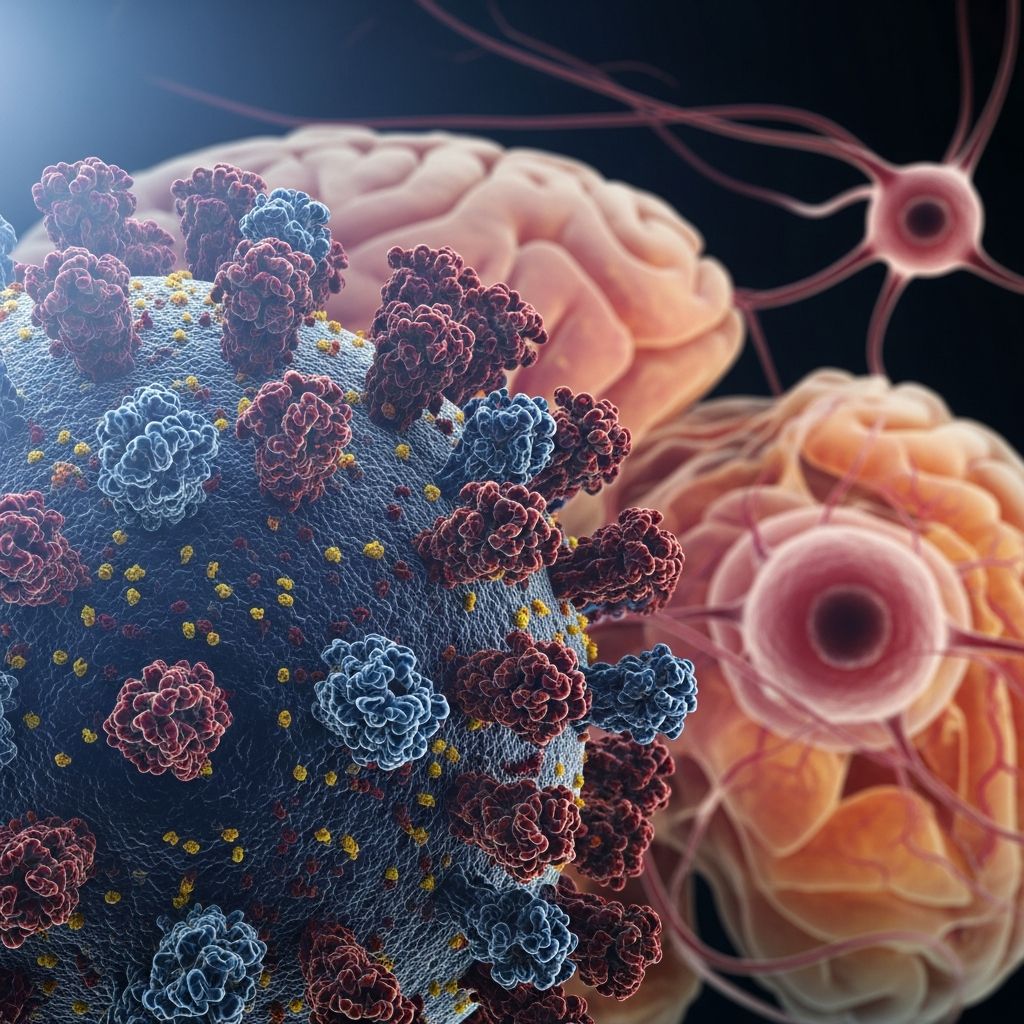
Israel turkey meningoencephalitis virus (ITMV), also known as turkey meningoencephalitis (TME), represents a significant arboviral challenge primarily targeting domestic turkeys. First identified in 1960, this flavivirus causes severe neurological disorders, leading to high morbidity and mortality in affected flocks. Understanding its biology, spread, and control measures is crucial for poultry health management.
Historical Emergence and Global Distribution
The virus emerged in Israel during the late 1950s, with initial outbreaks documented in adult turkey flocks around 1960. These early incidents highlighted a neuro-paralytic condition unique to turkeys under natural conditions. Seasonal patterns linked to warmer months suggested arthropod involvement, confining reports mainly to Israel and sporadically South Africa. Despite limited geographic spread, vigilance remains essential due to potential vector-mediated dissemination.
Viral Characteristics and Taxonomy
ITMV belongs to the Flaviviridae family, sharing antigenic similarities with viruses like Bagaza, Ilheus, and Tembusu. It replicates in vertebrate hosts and arthropod vectors, classifying it as an arbovirus—arthropod-borne virus. The virus targets the central nervous system, inducing inflammation in the brain and meninges, which explains its meningoencephalitic pathology.
- Genome: Single-stranded RNA, enveloped structure typical of flaviviruses.
- Host Specificity: Primarily turkeys, with experimental infections in other species.
- Stability: Susceptible to environmental factors but persists in vectors.
Epidemiology in Turkey Flocks
Outbreaks peak in spring, summer, and autumn, correlating with mosquito activity. Flocks aged 8-20 weeks are most vulnerable, though younger birds in hot climates may succumb earlier. Morbidity approaches 100% in severe cases, with mortality up to 80% untreated. Recent investigations, including 2008 Israeli data, revealed persistent issues even in vaccinated groups, prompting efficacy studies.
| Region | Peak Season | Age Affected | Mortality Range |
|---|---|---|---|
| Israel | Spring-Autumn | 8-20 weeks | 30-80% |
| South Africa | Warm months | 5+ weeks | Up to 50% |
| Other | Not reported | N/A | N/A |
Factors like flock density, climate, and vector abundance influence incidence. Serological surveys indicate variable antibody responses post-vaccination, underscoring uneven protection.
Transmission Dynamics and Vectors
Mosquitoes serve as primary vectors, with species such as Culex pipiens, Culex perexiguus, and Culicoides biting midges implicated. Detection of ITMV in field-collected mosquitoes confirms biological transmission cycles involving blood-feeding on infected birds and subsequent bites on susceptibles. Mechanical spread via contaminated equipment is minimal; focus remains on insect control.
- Bird-to-Vector: Viremic turkeys infect feeding mosquitoes.
- Vector-to-Bird: Infected mosquitoes transmit during bites.
- Environmental Role: Stagnant water breeds vectors, amplifying risk.
Clinical Manifestations in Infected Turkeys
Incubation spans 2-7 days, followed by acute neurological signs. Birds exhibit reluctance to move, leg paralysis, neck weakness, torticollis, and ataxia. Terminal stages involve prostration and death. Gross pathology reveals meningeal congestion and cerebral edema; histologically, perivascular cuffing, gliosis, and neuronal degeneration predominate.
Survivors may recover partially but often harbor residual deficits, impacting productivity. Differential diagnoses include Newcastle disease, avian encephalomyelitis, and other arboviral encephalitides like West Nile virus.
Diagnosis Methods
Confirmation relies on clinical suspicion, serology, and virus isolation. Hemagglutination inhibition (HI) tests detect antibodies, while ELISA quantifies responses. Virus detection via RT-PCR from brain tissue or mosquitoes offers specificity. Intracerebral challenge in poults or mice validates isolates. Necropsy findings support but require lab corroboration.
- Collect samples: Brain, serum from live birds.
- Serology: HI titer >1:20 indicative.
- Molecular: PCR targeting flavivirus NS5 gene.
- Challenge: 100% mortality in controls confirms virulence.
Vaccination Strategies and Efficacy
A live-attenuated vaccine, developed in 1975 by adapting the virus to Japanese quail, revolutionized control. Administered intramuscularly at 49-70 days, it induces protective HI titers. Despite success, 2008 outbreaks in 94% vaccinated flocks highlighted failures linked to technique, timing, and strain drift.
Studies compared original (1964) and evolved (2004) isolates, revealing heightened virulence in newer strains (100% vs. 46% mortality in controls). Recommendations include daylight vaccination, pre-cooled diluents, and prompt use post-mixing.
| Vaccine Group | Regimen | Protection vs. 2004 Isolate |
|---|---|---|
| Single IM | Breast muscle | Moderate |
| Double IM | 49 & 70 days | High |
| Controls | None | 0% |
Management and Biosecurity Protocols
Integrate vaccination with vector mitigation: insecticide fogging, screened housing, and water management reduce mosquito populations. Monitor serology pre- and post-vaccination; cull severely affected birds to limit spread. Quarantine new flocks and avoid movement during peaks.
- Vector Control: Eliminate breeding sites, use repellents.
- Flock Monitoring: Daily checks for early signs.
- Hygiene: Disinfect equipment, proper carcass disposal.
Recent Research Developments
Genomic analyses track antigenic shifts, informing vaccine updates. Seroprevalence studies reveal circadian influences on efficacy, with daytime dosing superior. Broader arbovirus surveillance, including WNV co-circulation, enhances preparedness.
Challenges in Control Efforts
Vaccine failures stem from poor administration (e.g., nighttime dosing misses birds), low titers, and virulent variants. Climate change may expand vector ranges, necessitating global monitoring. Economic losses from mortality and condemnation underscore investment in R&D.
Frequently Asked Questions (FAQs)
What is the main vector for ITMV?
Mosquitoes like Culex species transmit the virus biologically.
At what age are turkeys most at risk?
Typically 8-20 weeks, earlier in hot regions.
Is the vaccine 100% effective?
No; proper administration yields high protection, but failures occur.
Can other birds get ITMV?
Primarily turkeys; experimental in others, not natural.
How to confirm ITMV infection?
Via HI serology, PCR, or challenge tests.
Future Outlook for Poultry Producers
Ongoing refinements in vaccines and vector control promise sustained reductions. Integrated approaches, leveraging molecular tools and epidemiology, will safeguard turkey industries against this enzootic threat.
References
- Turkey meningo-encephalitis: a general review — PubMed/NCBI. 1976. https://pubmed.ncbi.nlm.nih.gov/769768/
- Investigation Study of Turkey Meningoencephalitis (TME) Vaccine — Israel Journal of Veterinary Medicine. 2012-09. http://www.ijvm.org.il/sites/default/files/tme_perlman_sept_2012.pdf
- Dispatches on Israel turkey meningoencephalitis virus — CDC Stacks. 2013. https://stacks.cdc.gov/pdfjs/web/viewer.html?file=https%3A%2F%2Fstacks.cdc.gov%2Fview%2Fcdc%2F24218%2Fcdc_24218_DS1.pdf
- Detection of Israel Turkey Meningo-encephalitis Virus from Mosquito — Journal of Medical Entomology/BioOne. 2003. https://bioone.org/journals/journal-of-medical-entomology/volume-40/issue-4/0022-2585-40.4.518/Detection-of-Israel-Turkey-Meningo-encephalitis-Virus-from-Mosquito-Diptera/10.1603/0022-2585-40.4.518.short
- Overview of Viral Encephalitides in Birds — MSD Veterinary Manual. 2024-03. https://www.msdvetmanual.com/poultry/viral-encephalitides-in-birds/overview-of-viral-encephalitides-in-birds
- Turkey Meningo-Encephalitis: A General Review — JSTOR. 1976. https://www.jstor.org/stable/1589481
Similar Articles








Read full bio of medha deb


