

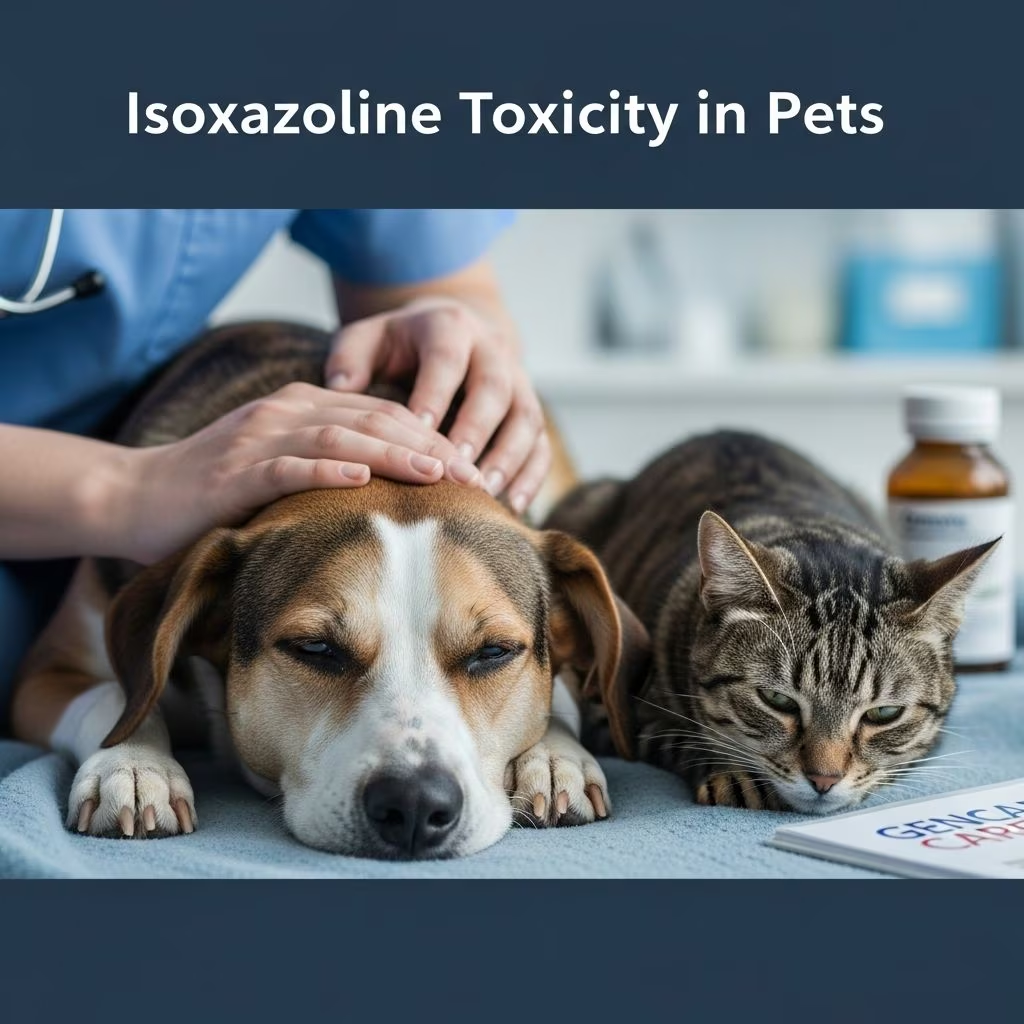
Isoxazolines represent a class of modern ectoparasiticides designed to combat fleas, ticks, and mites in companion animals. These compounds target the nervous systems of parasites through selective binding to chloride channels, offering long-lasting protection with convenient dosing schedules. However, their use has raised concerns due to reported neurologic adverse events in dogs and cats, prompting alerts from regulatory bodies like the FDA.
How Isoxazolines Work Against Parasites
At their core, isoxazolines disrupt neuronal signaling in invertebrates by antagonizing GABA- and glutamate-gated chloride channels. This blockade hyperpolarizes nerve cells, leading to paralysis and death in fleas, ticks, and mites. The selectivity for insect receptors over mammalian ones minimizes intended toxicity in pets, but cross-reactivity can occur, especially at higher exposures.
Common products include afoxolaner (NexGard), fluralaner (Bravecto), sarolaner (Simparica), and lotilaner (Credelio). These are formulated as oral chews, chewables, or topical solutions, providing protection for 1-3 months per dose. Their high plasma protein binding—often exceeding 99%—contributes to prolonged efficacy but also extends potential exposure duration in cases of overdose.
Pharmacokinetics: Absorption, Distribution, and Elimination
Isoxazolines exhibit rapid absorption following oral administration, with bioavailabilities often above 85%. For instance, sarolaner reaches peak plasma levels quickly and maintains a half-life of 11-12 days, primarily eliminated via biliary routes with minimal metabolism. Afoxolaner similarly binds extensively to plasma proteins and has a 14-hour elimination half-life, varying by breed such as longer in Collies compared to Beagles.
| Compound | Half-Life | Primary Elimination | Protein Binding |
|---|---|---|---|
| Afoxolaner | 14 hours | Biliary | 99% |
| Fluralaner | 12-18 days | Biliary | >99% |
| Sarolaner | 11-12 days | Biliary | >99.9% |
| Lotilaner | Variable | Biliary/Fecal | High |
These profiles explain why symptoms may persist or recur days after dosing, aligning with peak absorption phases observed in adverse event reports.
Recognizing Clinical Signs of Toxicity
Neurologic manifestations dominate isoxazoline toxicosis, including muscle tremors, ataxia (uncoordinated movement), and seizures. These can emerge within hours to days post-administration, even at therapeutic doses. Muscle tremors and convulsions are most frequently documented, particularly with fluralaner and sarolaner.
- Tremors: Fine to coarse muscle fasciculations, often starting in the head or limbs.
- Ataxia: Wobbling gait, loss of balance, or inability to stand.
- Seizures: Generalized or focal, ranging from mild episodes to status epilepticus.
- Other signs: Vomiting, diarrhea, lethargy, or hyperactivity in milder cases.
In cats, topical fluralaner exposures at label doses have triggered similar events, while sarolaner cases typically involve oral routes. Recovery is common with prompt intervention, as noted in 22 documented canine and feline cases.
Risk Factors and Vulnerable Populations
Not all pets react equally; certain factors heighten susceptibility. Breeds like Collies with MDR1 gene mutations may experience prolonged drug exposure due to slower clearance. Dogs over 5 years, those with pre-existing seizure histories, or concurrent illnesses face elevated risks, though events occur even in healthy, young animals.
Overdosage exacerbates issues—doses 5-10 times label amounts remain tolerated in safety studies, but accidental ingestion of multiple chews can overwhelm systems. Surveys indicate 80% of users noted some adverse effects, with serious neurologic events in 4.5-14.8% of treated dogs.
Adverse Event Data from Regulatory Surveillance
FDA and EMA databases reveal thousands of reports. From 2013-2019, EMA logged 39,148 canine events for isoxazolines, with seizures at 9-55% and deaths at 4.8-28.6%. FDA figures are lower (e.g., 2.4-3.2% deaths, 2.8-7.5% seizures), but discrepancies highlight underreporting or regional differences.
Sarolaner showed higher ataxia/tremor rates (20-41%) in some analyses. Notably, 20-46% of dogs with seizures progressed to death in owner surveys, often within 24 hours of dosing.
Diagnosis and Differential Considerations
Diagnosis relies on history of recent isoxazoline exposure, temporal alignment of signs, and exclusion of other causes like epilepsy, metabolic disorders, or toxin exposures. Bloodwork, neurologic exams, and ruling out infectious diseases (e.g., distemper) are essential. Plasma drug levels, if available, confirm exposure but rarely guide acute management.
Management and Treatment Strategies
No antidote exists; care is supportive. Key steps include:
- Prevent further absorption: Emesis induction (if <2 hours post-ingestion), activated charcoal (multiple doses), and gastric lavage under sedation.
- Symptom control: Anticonvulsants like diazepam, phenobarbital, or levetiracetam for seizures; IV fluids for hydration.
- Monitoring: Hospitalization for severe cases, with ECG and neuro checks.
Most animals recover fully with intervention, as seen in studies where all reported cases resolved.
Beyond Pets: Environmental and Wildlife Concerns
Isoxazolines persist in pet feces, posing risks to non-target insects. A 2026 French study detected residues in waste from treated dogs and cats up to three months post-treatment, threatening dung beetles, flies, and butterflies crucial for nutrient cycling. This unintended exposure could disrupt ecosystems, mirroring ivermectin impacts on livestock dung fauna.
Preventive Measures for Pet Owners
To minimize risks:
- Consult veterinarians for breed-specific testing (e.g., MDR1).
- Use lowest effective dose and avoid off-label combinations.
- Monitor for 48-72 hours post-dose, especially first use.
- Report events to FDA or manufacturers promptly.
Alternatives like spinosad or natural repellents exist but may offer shorter protection.
FAQs
Can isoxazolines cause seizures in dogs without prior history?
Yes, FDA confirms seizures can occur in animals without previous neurologic issues.
Are topical isoxazolines safer than oral?
Not necessarily; cat studies show topical fluralaner linked to neuro signs at therapeutic doses.
How long do symptoms last?
Typically resolve in days with treatment, matching drug half-lives, though severe cases may require weeks.
Should I stop using these products?
Weigh risks vs. benefits with your vet; they remain effective against serious parasites like Lyme vectors.
Future Directions in Parasiticde Safety
Ongoing research focuses on genetic predictors of toxicity, refined formulations for selectivity, and environmental impact assessments. Regulatory updates continue to evolve based on pharmacovigilance data, emphasizing informed consent for pet owners.
References
- Isoxazoline Toxicosis in Animals — Merck Veterinary Manual. 2023. https://www.merckvetmanual.com/toxicology/insecticide-and-acaricide-organic-toxicity/isoxazoline-toxicosis-in-animals
- Survey of canine use and safety of isoxazoline parasiticides — PMC/NCBI. 2020-12-04. https://pmc.ncbi.nlm.nih.gov/articles/PMC7738705/
- Neurological adverse effects of isoxazoline exposure in cats and dogs — PubMed. 2024. https://pubmed.ncbi.nlm.nih.gov/38616548/
- FDA Alert on Flea Medications — University of Illinois Veterinary Medicine. 2023. https://vetmed.illinois.edu/pet-health-columns/fda-alert-on-flea-medications/
- Flea and tick treatments for dogs and cats may be harming wildlife — ScienceDaily. 2026-02-21. http://www.sciencedaily.com/releases/2026/02/260221000328.htm
- Fact Sheet for Pet Owners and Veterinarians about Potential Adverse Events Associated with Isoxazoline Flea… — FDA. 2023. https://www.fda.gov/animal-veterinary/animal-health-literacy/fact-sheet-pet-owners-and-veterinarians-about-potential-adverse-events-associated-isoxazoline-flea



