
Is Your Pet Unhealthily Skinny?
Learn to spot signs of excessive thinness in pets, understand causes from malnutrition to serious illnesses, and discover steps for veterinary care and recovery.
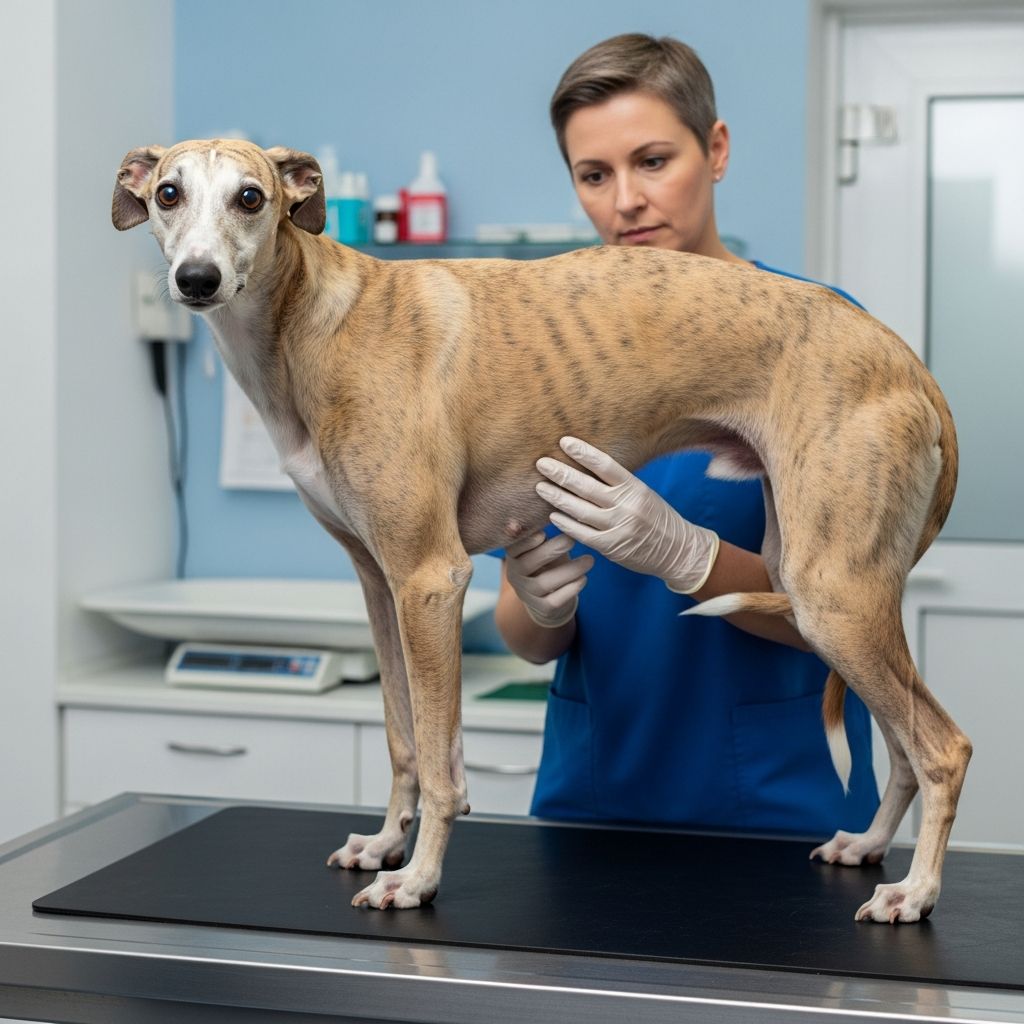
Seeing prominent bones on your pet can be alarming, as it often signals undernutrition or underlying health problems. Pet owners frequently mistake leanness for fitness, but excessive thinness compromises immunity, energy levels, and longevity. This guide explores how to identify unhealthy skinniness in dogs and cats, potential causes, evaluation techniques, and recovery strategies grounded in veterinary science.
Recognizing Signs of Excessive Thinness in Pets
Healthy pets have a smooth, rounded profile with minimal bone visibility. When ribs, hips, spine, or tail base protrude sharply, it indicates a body condition score below ideal. Common indicators include:
- Visible ribs even with gentle pressure: In underweight animals, individual ribs are easily countable without pressing the skin.
- Prominent hip bones and spine: The pelvis and vertebrae form sharp contours, lacking fat padding.
- Hollow abdomen: A severe waist tuck or sunken belly flanks signal muscle wasting.
- Facial leanness: Cheekbones and eye sockets appear sunken, altering facial structure.
- Behavioral clues: Lethargy, reduced playfulness, or poor coat quality often accompany physical signs.
These symptoms differ from athletic leanness, where muscles remain firm and bones are palpably covered. Lameness or limping may emerge if thinness stems from pain-related conditions like joint issues.
Common Causes Behind a Bony Appearance
Thinness rarely results from intentional over-exercise alone; multiple factors contribute. Understanding root causes guides effective intervention.
Nutritional Deficiencies and Malabsorption
Poor diet quality, insufficient calorie intake, or malabsorption prevents weight gain. Seniors or picky eaters may not consume enough, while gastrointestinal disorders impair nutrient uptake. Parasites like intestinal worms siphon calories, leading to rapid weight loss despite normal eating.
Chronic Diseases and Metabolic Disorders
Conditions such as hyperthyroidism in cats, diabetes, or kidney disease accelerate metabolism, burning fat reserves. Cancer, particularly osteosarcoma in dogs, causes cachexia—severe wasting due to tumor demands and inflammation. Symptoms include swelling near bones, lameness, and appetite loss.
| Condition | Key Signs in Thin Pets | Affected Areas |
|---|---|---|
| Osteosarcoma (Bone Cancer) | Limping, swelling, lethargy | Legs, ribs, jaw |
| Osteomyelitis (Bone Infection) | Pain, fever, pus discharge | Fracture sites, long bones |
| Osteoarthritis | Stiffness, reluctance to move | Joints, limbs |
| Metabolic Bone Disease | Lameness, hesitance to jump | Long bones, growth plates |
Other Contributors: Parasites, Stress, and Age
Heavy parasite loads cause nutrient theft, evident in pot-bellied yet bony puppies. Stress from environmental changes suppresses appetite. Aging pets face muscle loss (sarcopenia), exacerbating thinness alongside arthritis symptoms like stiffness.
Assessing Your Pet’s Body Condition Score
Veterinarians use a 9-point Body Condition Score (BCS) system to quantify fat and muscle coverage. Here’s a simplified guide:
- BCS 1-3 (Underweight): Ribs prominent, no fat palpable, waist extremely tucked.
- BCS 4-5 (Ideal): Ribs felt with slight fat cover, waist visible, abdominal tuck present.
- BCS 6-9 (Overweight): Ribs buried, no waist definition.
Perform weekly home checks: Run hands over ribs—if they feel like piano keys, seek vet advice. Track weight trends and compare to breed standards. Tools like charts from veterinary associations aid accuracy.
When to Seek Immediate Veterinary Attention
Not all thinness requires urgency, but rapid onset (over 10% body weight loss in weeks) demands prompt evaluation. Red flags include:
- Vomiting, diarrhea, or blood in stool.
- Excessive thirst/urination signaling diabetes or kidney issues.
- Pain on touch, fractures, or visible masses.
- Fever, nasal discharge, or breathing difficulties hinting at cancer or infection.
Diagnostic steps include bloodwork, fecal exams, X-rays for bone abnormalities, and ultrasound for organ assessment. Early intervention boosts prognosis, especially for treatable causes like parasites.
Diagnostic Tools for Uncovering Hidden Issues
Vets employ:
- Imaging: X-rays detect fractures, tumors, or infections; often reveal bone cancer missed as arthritis.
- Labs: Blood panels check for metabolic disorders; cultures identify osteomyelitis bacteria.
- Biopsies: Confirm malignancies like osteosarcoma.
For metabolic bone diseases like hypertrophic osteodystrophy, X-rays show growth plate changes in young large-breed dogs.
Recovery Plans: Nutrition and Treatment Strategies
Restoring weight requires tailored approaches post-diagnosis.
Optimizing Diet for Weight Gain
Switch to high-calorie, nutrient-dense foods: Increase fat content gradually to avoid diarrhea. Feed small, frequent meals. Examples:
- Senior formulas with omega-3s for joint support.
- Hydrolyzed proteins for GI sensitivities.
- Supplements like probiotics for gut health.
Aim for 2-4% body weight daily intake, adjusting based on BCS. Fresh water and exercise maintain muscle.
Addressing Underlying Conditions
Treat parasites with dewormers. Manage cancer via surgery, chemo, or palliation—limb amputation can extend life in osteosarcoma cases. Pain relief with NSAIDs aids osteoarthritis or infections.
Monitoring Progress and Lifestyle Adjustments
Reassess BCS monthly. Incorporate low-impact activities like swimming to build muscle without joint stress. Environmental mods: Ramps for arthritic pets reduce injury risk.
Preventing Thinness Through Proactive Care
Annual vet exams catch issues early. Maintain balanced diets avoiding excesses that contribute to growth disorders. Regular parasite preventives and dental checks prevent secondary thinness. For breeds prone to bone cancers (e.g., large dogs), monitor limbs closely.
Frequently Asked Questions (FAQs)
What if my pet is active but bony?
Activity alone doesn’t cause severe thinness; investigate intake or absorption issues. Consult a vet for tailored calorie needs.
Can senior pets regain weight?
Yes, with appetite stimulants, soft foods, and medical management of age-related diseases like osteoarthritis.
Is thinness always a disease sign?
No, but persistent cases warrant checks for cancer, infections, or metabolic problems.
How long to see weight gain?
1-2% weekly is safe; full recovery varies by cause, from weeks for parasites to months for chronic illness.
Should I force-feed a skinny pet?
Avoid; it risks aspiration. Use vet-recommended enhancers instead.
References
- Signs & Symptoms of Bone Cancer in Dogs — Ventura Emergency Vet. 2020-11-30. https://www.vmsg.com/site/blog/2020/11/30/signs-symptoms-bone-cancer-dogs
- Signs of Bone Cancer in Dogs — Providence South Animal Hospital. 2020-03-13. https://www.waxhaw.providencevets.com/site/blog/2020/03/13/signs-bone-cancer-dogs
- Bone Problems That Can Affect Your Pet — PetMD. N/A. https://www.petmd.com/dog/general-health/bone-problems-can-affect-your-pet
- Can dogs develop osteoporosis, and what are the signs — Dial A Vet. N/A. https://www.dialavet.com/vet-answers/dogs-develop-osteoporosis-signs-12733
- Bone Disorders in Dogs — Merck Veterinary Manual. N/A. https://www.merckvetmanual.com/dog-owners/bone-joint-and-muscle-disorders-of-dogs/bone-disorders-in-dogs
- Understanding the Symptoms of Osteoarthritis in Pets — Combs Vet Clinic. N/A. https://combsvetclinic.com/blogs-page/understanding-the-symptoms-of-osteoarthritis-in-pets-a-guide-for-pet-owners/
Similar Articles








Read full bio of medha deb


