

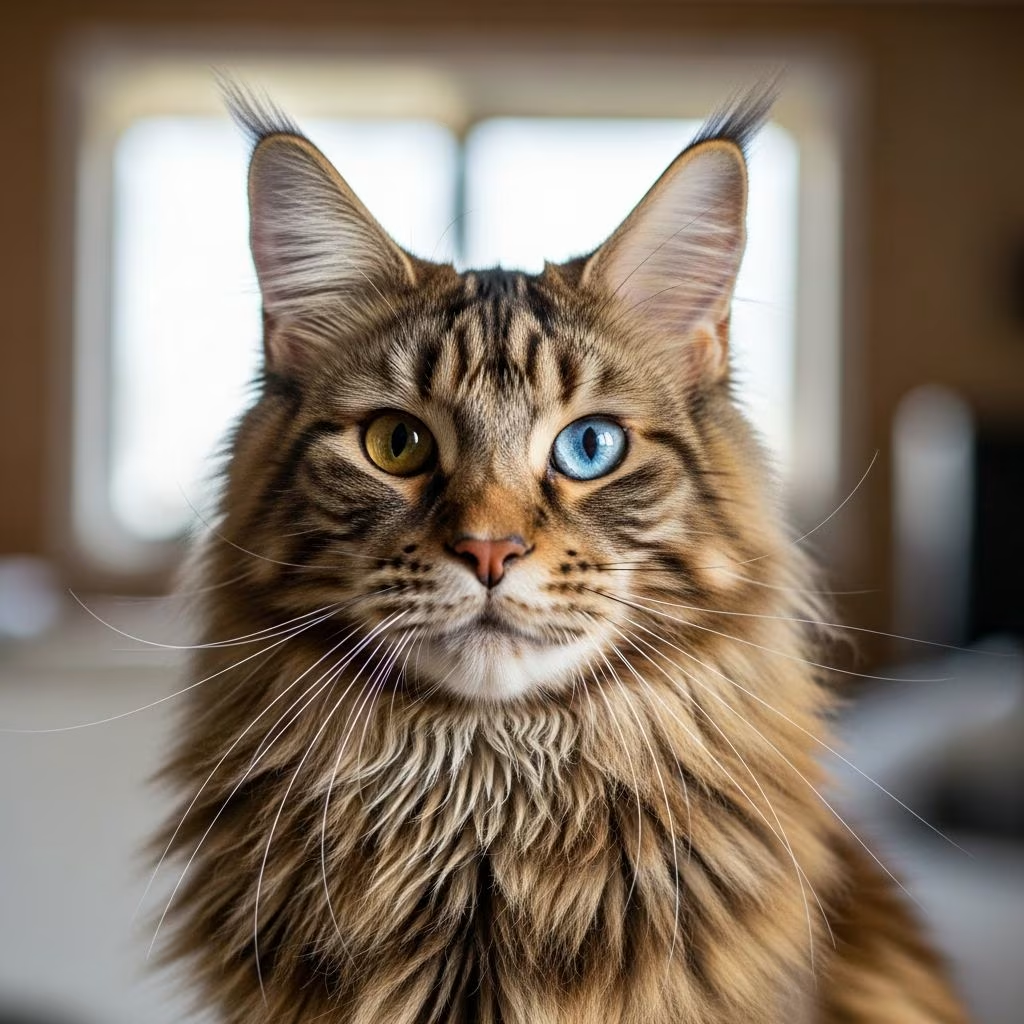
The Maine Coon is one of the most iconic cat breeds, renowned for its massive size, luxurious coat, and dog-like personality. Often called the “gentle giant,” these cats captivate owners with their sociable nature and striking appearance. But with their popularity soaring, many cats resembling Maine Coons turn out to be mixes. If you’re wondering, “Is my Maine Coon a mix?” this comprehensive guide will help you identify purebred traits versus common hybrids.
Maine Coons originated in the harsh winters of Maine, USA, evolving as rugged working cats with water-resistant coats and tufted paws ideal for snow. Today, they are recognized by major registries like the Cat Fanciers’ Association (CFA) and The International Cat Association (TICA). Purebreds must meet strict standards, but mixes can inherit some features while blending others from breeds like Persians, Norwegian Forest Cats, or even domestic shorthairs.
Physical Characteristics of a Purebred Maine Coon
Purebred Maine Coons stand out with distinct physical features that set them apart from mixes. Their bodies are muscular and rectangular, with males typically weighing 13-18 pounds (up to 25 pounds in exceptional cases) and females 8-12 pounds. The body is long, broad-chested, and athletic, supported by strong, medium-length legs ending in large, round paws with tufts for snow traction.
The head is moderately wedge-shaped with high cheekbones, a square muzzle, and large, expressive eyes that are wide-set and oval-shaped, slanting slightly toward the outer ear base. Eye colors range from green, gold, or copper, with white cats often having blue or odd eyes. Ears are large, wide at the base, set high on the head, and tufted like a lynx, enhancing their wild appearance.
The hallmark is the coat: semi-long, shaggy, and heavy, with a glossy, water-resistant texture. It’s shorter on the head and shoulders, longer on the stomach, britches (back of hind legs), and ruff. Colors include brown tabby (classic), but also solids, smokes, and torties in shades like blue, cream, black, and rare silver or gold. The tail is long, bushy, and tapering, often as long as the body, providing balance and warmth.
- Size: Males: 15-25 inches body length; Females: 14-18 inches. Largest domesticated breed.
- Coat Texture: Shaggy, not silky; minimal undercoat shedding with proper grooming.
- Paws: Large, tufted; excellent for hunting and cold weather.
Maine Coon Mix Traits: What to Look For
Mixes often display partial Maine Coon features diluted by other genetics. A Maine Coon-Persian mix might have a fluffier, less shaggy coat and rounder head; a Maine Coon-Norwegian Forest Cat mix could share size and coat but differ in ear shape. Domestic shorthair mixes appear smaller with shorter fur.
Common signs of a mix include disproportionate body parts, like a small head on a large frame, or inconsistent coat length. Colors outside standard patterns (e.g., pointed Siamese markings) suggest mixing. Size varies wildly—mixes may top out at 10-12 pounds.
| Feature | Purebred Maine Coon | Common Mix Traits |
|---|---|---|
| Size | Large (13-25 lbs males) | Medium (8-15 lbs) |
| Coat | Shaggy, water-resistant | Silky, short, or overly fluffy |
| Ears | Large, lynx-tufted | Smaller, less tufted |
| Tail | Long, bushy (body length) | Shorter or thinner |
Mixes can be healthier due to hybrid vigor, avoiding purebred issues like hypertrophic cardiomyopathy (HCM).
Temperament: Purebred vs. Mix
Maine Coons are “dog-like”—affectionate, intelligent, and sociable. They follow owners, play fetch, and chirp or trill instead of meowing loudly. Highly adaptable, they thrive in families, with kids, dogs, and other cats, yet remain independent.
Mixes inherit sociability but may add traits like a Persian’s laziness or a Bengal’s hyperactivity. A purebred’s gentle clownishness shines in tricks and water fascination (many dip paws in faucets). Observe: Does your cat demand laps, hunt playfully, and vocalize uniquely? These point to purebred.
- Sociable: Greets strangers calmly.
- Playful: Kitten-like into adulthood, prefers ground chases over climbing.
- Loyal: Bonds deeply without clinginess.
Health Considerations for Maine Coons and Mixes
Purebred Maine Coons live 12-15 years but are prone to HCM (genetic heart disease), hip dysplasia, spinal muscular atrophy (SMA), and patellar luxation. Regular vet checks and genetic screening are essential. Their size demands quality diet to prevent obesity.
Mixes often dodge these via diverse genes, living 10-16 years. Still, monitor for polydactyly (extra toes, a historical trait) or coat-related skin issues. Annual exams catch problems early.
Grooming and Care Differences
Purebreds need weekly brushing to manage their shaggy coat, reducing mats and shedding. Bathing is rare due to water resistance; paw tufts require cleaning.
Mixes vary: Shorthair blends need less grooming; longhair ones more. All benefit from nail trims, ear cleaning, and dental care. Provide scratching posts and toys for mental stimulation.
DNA Testing: The Definitive Answer
Unsure? DNA tests like Wisdom Panel or Basepaws analyze 20+ markers, confirming Maine Coon percentage (e.g., 50%+ for mix). Results include health risks and ancestry. Costs $100-200; swab cheek cells at home.
Pedigree papers from breeders prove purebred status. Rescues often test unknowns. Testing clarifies care needs and breeding potential.
Pros and Cons of Owning a Purebred vs. Mix
| Aspect | Purebred Pros | Purebred Cons | Mix Pros | Mix Cons |
|---|---|---|---|---|
| Appearance | Consistent majestic look | Strict standards | Unique blends | Inconsistent traits |
| Health | Known issues manageable | Genetic risks | Hybrid vigor | Unknown risks |
| Temperament | Predictable dog-like | Needs space/activity | Varied fun | Unpredictable |
| Cost | Premium kittens $1,000+ | High vet bills | Affordable adoption | Less prestige |
Frequently Asked Questions (FAQs)
Can Maine Coons be purebred without papers?
Yes, but papers from CFA/TICA verify lineage. Traits alone aren’t proof—DNA confirms.
Do Maine Coon mixes grow as big?
Rarely; most max at 12-15 lbs versus purebred males’ 18-25 lbs.
Are Maine Coon mixes healthier?
Often yes, due to genetic diversity reducing breed-specific diseases like HCM.
How to groom a Maine Coon mix?
Weekly brushing; adjust for coat length. Focus on paws and ears.
What’s the rarest Maine Coon color?
Silver and gold shades; most common is brown tabby.
Conclusion: Embrace Your Cat Regardless
Whether purebred or mix, a Maine Coon-like cat brings joy. Focus on love, care, and health over labels. Consult vets and test for peace of mind.
References
- Maine Coon Cat: A Complete Breed Profile — WHISKAS® UK. 2023. https://www.whiskas.co.uk/cat-breeds/maine-coon
- Maine Coon | Traits, Appearance, General, Character — VetAmerikan. 2024. https://www.vetamerikan.org/our-best-friends/cat-types/maine-coon
- Maine Coon Cat Characteristics — Cat Evolution. 2023. https://catevolution.com.au/blogs/cat_tips_tricks/maine-coon-cat-characteristics
- Maine Coon Cat — Cat Fanciers’ Association (CFA). 2025-01-10. https://cfa.org/breed/maine-coon-cat/
- Maine Coon Cat Breed — Hill’s Pet Nutrition. 2024. https://www.hillspet.com/cat-care/cat-breeds/maine-coon
- Maine Coon — The International Cat Association (TICA). 2024-06-15. https://tica.org/breed/maine-coon/



