

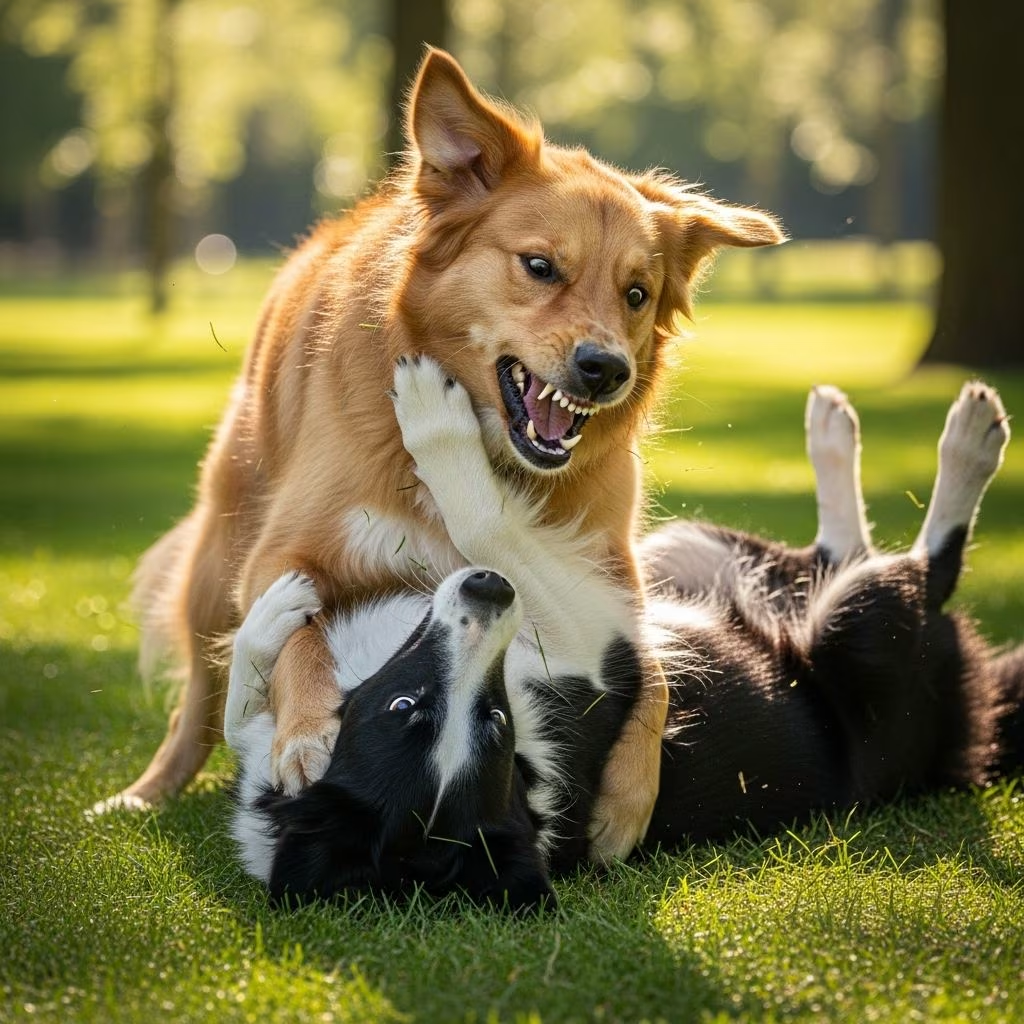
Many dogs love to wrestle, chase, and body-slam their way through play. To humans, this kind of roughhousing can look scary or even aggressive, but in many cases it’s perfectly normal dog behavior. The challenge for caregivers is knowing when rough play is just harmless fun and when it’s becoming unsafe or truly aggressive.
This guide walks you through how to recognize appropriate rough play, warning signs that things are going wrong, and practical steps you can take to keep play sessions safe, comfortable, and enjoyable for everyone.
Why Dogs Play Rough in the First Place
Play is not just entertainment for dogs; it is a vital part of social development and mental health. Research in animal behavior shows that social play helps dogs practice communication, learn bite inhibition, and rehearse survival skills in a low-risk way.
Some reasons dogs naturally lean toward rougher play styles include:
- Breed tendencies: Many working, herding, guarding, and bully-type breeds enjoy physical, high-contact games.
- Age and energy level: Puppies, adolescents, and high-energy adults often prefer faster, more intense play.
- Early social experience: Dogs raised with confident, playful siblings may be more comfortable with rough-and-tumble games.
- Individual personality: Just like people, some dogs are naturally bolder, more physical, or more excitable.
Rough play is not automatically a problem. What matters is whether both dogs are relaxed, having fun, and able to stop easily.
Normal Rough Play vs. Dangerous Behavior
Dog play can look intense—there may be chasing, tackling, pinning, and even growling. The key difference between safe play and aggression is the overall tone and body language of the interaction.
| Safe Rough Play | Concerning or Aggressive Behavior |
|---|---|
| Loose, wiggly bodies and bouncy movements | Stiff, tense postures and rigid movement |
| Play bows and exaggerated motions | Direct, hard stare and intense focus |
| Taking turns chasing and being chased | One dog relentlessly chasing or pinning the other |
| Short pauses or breaks in the action | No pauses; escalating speed, intensity, or tension |
| Open, soft mouths and quick release during mouthing | Deep, low growls, snarling, or biting that causes pain |
Key Signs of Healthy Rough Play
Behaviorists often look for specific signals that tell us dogs are playing cooperatively rather than fighting. Many of these cues have been described in observational studies of dog play and are widely used by trainers and veterinarians.
Loose, Wiggly Body Language
In appropriate play, dogs usually look relaxed and flexible rather than rigid.
- Muscles appear soft, not tight or locked.
- Movement is bouncy and exaggerated, almost cartoonish.
- Hips and shoulders are loose, often leading to goofy sideways or circular runs.
Play Bows and Exaggerated Signals
One of the clearest play signals is the play bow: front end down, chest near the floor, rear end in the air, often with a wagging tail.
- Dogs may bow before charging, tackling, or chasing.
- They may repeat bows during play to say, “I’m still just playing.”
- Other exaggerated signals, like sweeping tail wags or head tilts, also help keep the mood friendly.
Role Reversal and Self-Handicapping
Good play is usually balanced. Even if one dog is bigger or stronger, both dogs get chances to be the “winner.”
- Role reversal: Dogs take turns chasing, pinning, or being “on top.”
- Self-handicapping: The larger or stronger dog deliberately holds back, moves more slowly, or lies down to even the odds.
- Both dogs appear to “opt in,” returning to play after brief breaks.
Soft Facial Expressions and Open Mouths
Another distinction between play and aggression is the look of the face.
- Mouths are often open and relaxed, with a loose tongue.
- Eyes look soft, not hard or piercing.
- Play growls are often higher-pitched or “cartoonish” and paired with wiggly bodies.
Built-In Breaks and Pauses
Healthy play usually includes frequent, short pauses.
- Dogs stop, stand still, or shake off before jumping back in.
- One dog may move away briefly, then return to re-engage.
- These breaks help keep arousal levels under control and confirm that both dogs still want to play.
Warning Signs That Rough Play Is Going Too Far
Even the best play session can tip into conflict if arousal rises too high or if one dog becomes overwhelmed. Recognizing early warning signs allows you to intervene before someone gets hurt.
Stiffness, Freezing, and Tight Posture
One of the clearest red flags is when a dog’s body suddenly shifts from wiggly to stiff.
- Freezing for more than a brief moment.
- Standing tall with locked legs and a rigid tail.
- Neck and facial muscles look tight, lips pressed or pulled back.
Hard Stare and Focused Targeting
Dogs who move from play to serious intent often change how they use their eyes.
- Prolonged, direct stare at the other dog, without blinking.
- Stalking or following the other dog with a low, tense posture.
- Ignoring attempts to disengage or pause.
Escalating Vocalizations and Snarling
Growling can be normal in play, but the context matters.
- Deep, low, or guttural growls combined with stiffness are concerning.
- Snarling with lips lifted, muzzle wrinkled, or teeth bared is a serious warning signal.
- High-pitched yelps, repeated whining, or distress barking from one dog can indicate fear or pain.
One-Sided or Relentless Behavior
In unsafe play, one dog often stops having fun long before the other does.
- One dog repeatedly tries to escape, hide, or climb onto people.
- Relentless chasing with no role reversal.
- Prolonged pinning, standing over, or body-slamming that does not stop when the pinned dog struggles.
Signs of Fear, Stress, or Overwhelm
Caregivers should also watch for subtler stress signals that can appear before overt aggression.
- Repeated lip licking when no food is present.
- Turning the head away, avoiding eye contact, or attempting to leave.
- Tail tucked, ears pinned back, or crouched posture.
- Excessive panting or sudden stillness in a previously playful dog.
Risks of Allowing Rough Play to Get Out of Control
When rough play is not monitored or interrupted at the right time, it can create problems for dogs and humans.
- Physical injury: Dogs can suffer bites, sprains, or collisions, especially with large size differences or slippery surfaces.
- Emotional fallout: Repeatedly overwhelming a dog can make them wary or reactive around other dogs.
- Rehearsal of aggressive patterns: Allowing dogs to repeatedly practice bullying or resource guarding during “play” can strengthen those behaviors over time.
- Legal and safety concerns: If a dog injures another dog or a person, you may be held responsible, depending on local laws.
Because of these risks, major veterinary and animal welfare organizations encourage supervised play and proactive intervention when tension appears.
How to Safely Manage Rough Play
Your goal is not to eliminate rough play altogether but to shape it into a safe, cooperative experience. Trainers and behavior experts recommend a combination of proactive setup, clear rules, and early intervention.
Match Dogs Thoughtfully
Good play partners are not just about size; they also need compatible play styles.
- Pair dogs with similar energy levels whenever possible.
- Avoid letting very large, boisterous dogs overwhelm tiny or fragile dogs, especially without strong self-handicapping.
- Monitor new pairings closely before letting play become too intense.
Use the “3-Second Rule” for Check-Ins
A simple technique many trainers use is the “3-second rule.”
- Allow dogs to wrestle or chase for about 3–5 seconds.
- Then briefly pause play by calling one dog away or gently interrupting.
- If both dogs happily re-engage, play is likely still consensual.
- If one dog avoids returning, increases distance, or hides, it’s time for a longer break.
Teach and Reinforce Reliable Interruptions
Every dog who plays with others should have a solid response to cues that end or pause play.
- Practice cues like “come,” “leave it,” or a cheerful “that’s enough!” away from play first.
- Reward generously with treats, toys, or affection for quick responses.
- Gradually practice during calmer play sessions so the dog can still think.
Support Positive Social Skills
Structured environments like puppy classes and well-run dog daycare can help dogs learn polite play under supervision.
- Expose puppies and young dogs to stable adult dogs who can model healthy play.
- Reward your dog for checking in with you, taking breaks, and responding to cues during play.
- Limit chaotic environments where dogs are over-aroused for long periods without breaks.
When to Step In or Stop Play Immediately
Some situations call for immediate intervention to keep dogs safe.
- One dog is repeatedly trying to escape or climb into a person’s lap.
- You see snarling, snapping, or repeated air-snapping directed at the other dog.
- A dog freezes with a stiff body and hard stare.
- Play has escalated into relentless chasing, body-slamming, or pinning with no breaks.
- You hear a sudden yelp followed by intense tension or retaliation.
If you feel uncomfortable at any point, trust your instincts. It is better to interrupt too early than too late.
Helping Dogs Who Habitually Play Too Rough
Some dogs consistently push past normal play boundaries. With guidance, they can often learn better skills and impulse control.
Improve Impulse Control Outside of Play
Training exercises that build self-control can make a big difference during social interactions.
- Practice “sit,” “wait,” and “stay” around mild distractions.
- Use food puzzles and training games to channel energy into problem-solving rather than constant physical activity.
- Teach calm behaviors like settling on a mat on cue.
Limit High-Risk Situations
To prevent incidents while you are still working on behavior:
- Avoid crowded dog parks or free-for-all play zones.
- Arrange one-on-one playdates with well-matched, well-socialized dogs.
- Keep initial sessions brief and on neutral ground.
Consult a Professional When Needed
If your dog’s play regularly escalates into fights, or if you see serious warning signs like lunging, biting, or intense guarding, it is wise to seek expert help.
- Talk with your veterinarian first to rule out pain or medical issues that could affect behavior.
- Work with a certified dog trainer or veterinary behaviorist who uses humane, evidence-based methods.
- A professional can create a tailored plan, often combining behavior modification, environmental changes, and sometimes medication for underlying anxiety.
Frequently Asked Questions (FAQs)
Q: Is growling during play always a bad sign?
A: No. Many dogs growl loudly while playing, especially during wrestling games. If their bodies are loose and wiggly, they take turns, and can easily stop when called, the growling is often just part of normal play. Deep, tense growls paired with stiff posture, hard staring, or snarling are more concerning.
Q: Should I let my puppy wrestle with bigger dogs?
A: It can be safe if the larger dog is gentle, self-handicaps, and responds when the puppy signals for a break. You should supervise closely, interrupt often for short pauses, and avoid pairings where the bigger dog repeatedly overwhelms or frightens the puppy.
Q: How long is it okay to let dogs play rough?
A: There is no fixed time limit, but the longer dogs play, the more likely arousal will escalate. Build in frequent breaks, watch for early stress signs, and end the session while both dogs are still relaxed and behaving well.
Q: What should I do if dog park play looks unsafe?
A: If your dog seems overwhelmed or you see stiff bodies, hard staring, or bullying behavior, call your dog to you and calmly leave. You are never obligated to stay in an environment that feels risky, even if other owners think the play is fine.
Q: Can rough play make my dog aggressive toward people?
A: Rough play with people, such as wrestling or encouraging hard mouthing, can sometimes blur boundaries and make it harder for a dog to understand when physical contact is not allowed. Many professionals recommend structured games like fetch or tug with clear rules instead of full-body wrestling.
References
- Dog Aggression and Bite Prevention — Centers for Disease Control and Prevention (CDC). 2019-06-25. https://www.cdc.gov/healthypets/pets/dogs.html
- Are Dogs Playing or Fighting? How to Tell the Difference — American Kennel Club (AKC). 2023-03-15. https://www.akc.org/expert-advice/advice/dogs-playing-or-fighting/
- Roughhousing With Dogs: Rules and Consequences — Smart Animal Training Systems. 2013-08-13. https://blog.smartanimaltraining.com/2013/08/13/roughhousing-with-dogs-rules-and-consequences/
- How to Tell the Difference Between Dog Play and Aggression — Dogtopia. 2019-11-07. https://www.dogtopia.com/blog/tell-difference-dog-play-aggression/
- What Is and Isn’t Appropriate Dog Play? — Happy Buddies Dog Training. 2021-05-10. https://www.happy-buddies.co.uk/blog/what-is-and-isnt-appropriate-dog-play
- How to Choose a Trainer — American Veterinary Society of Animal Behavior (AVSAB). 2021-01-01. https://avsab.org/resources/how-to-choose-a-trainer/



