

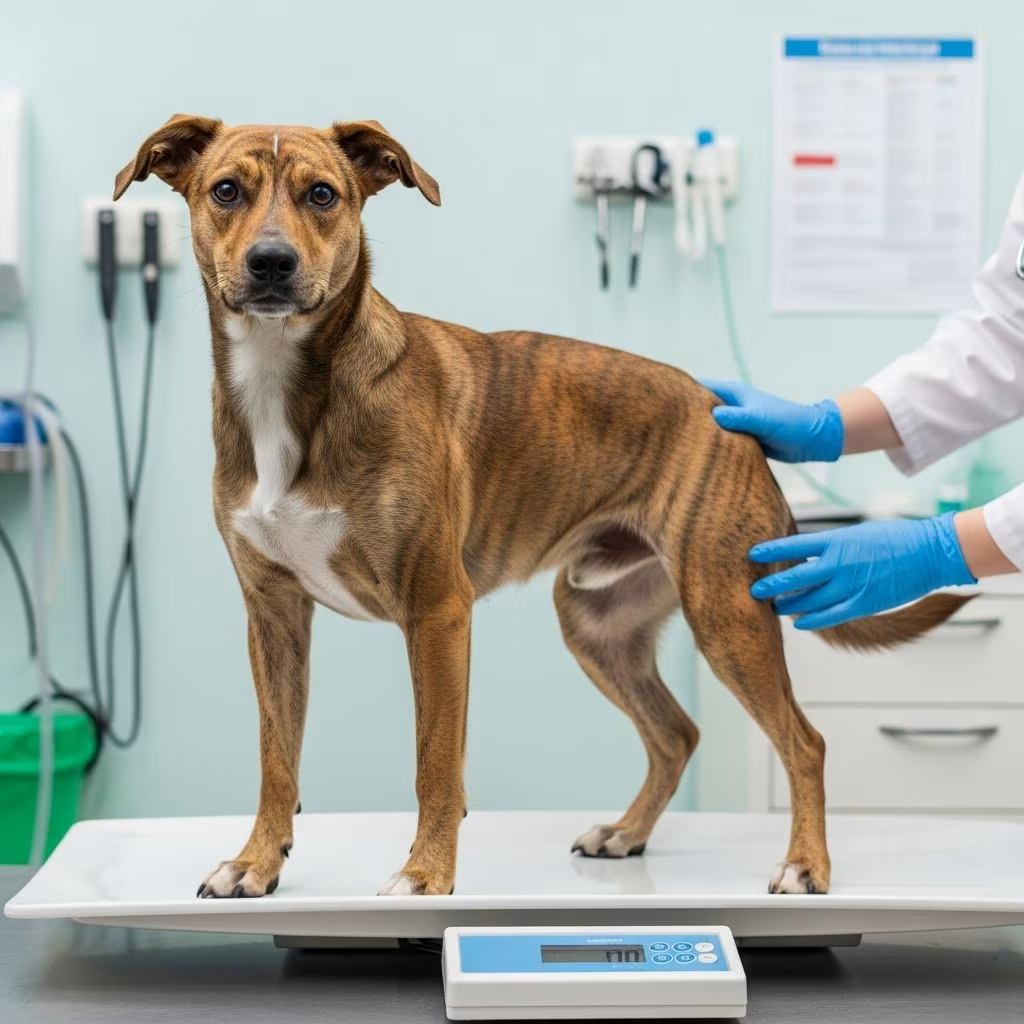
Determining if your dog is underweight involves observing physical cues, behavioral changes, and consulting a veterinarian for accurate assessment. Underweight dogs often show visible ribs, lack of muscle tone, and reduced energy levels, which can stem from dietary issues or serious health conditions.
Understanding Healthy Weight in Dogs
A dog’s ideal weight varies by breed, age, and activity level, but general guidelines help owners gauge condition. For most dogs, you should feel the ribs with slight pressure but not see them prominently when standing. Healthy dogs maintain a defined waistline and an abdominal tuck when viewed from the side.
Body Condition Score (BCS) is a standard tool used by vets, rating dogs from 1 (emaciated) to 9 (obese), with 4-5 considered ideal. To perform a simple BCS at home:
- Run your hands along the ribs—if they feel prominent without fat cover, the score is low.
- Check the spine and hips for visibility.
- Observe the waist and abdomen profile.
This method ensures objectivity beyond just eyeballing.
Visible and Physical Indicators of Being Underweight
Spotting an underweight dog starts with clear physical signs. Prominent ribs, spine, and hip bones are primary indicators, often accompanied by a lack of body fat around the tail base.
Other symptoms include:
- Muscle wasting: Reduced muscle mass leads to a bony appearance in legs and hindquarters.
- Dull coat and skin issues: Dry, flaky skin and brittle fur signal nutrient deficiencies.
- Lethargy: Low energy for play or walks due to insufficient calories.
In severe cases, dogs may exhibit a pot-bellied look from parasites or organ strain.
Behavioral Clues Your Dog Might Be Too Skinny
Behavior often mirrors nutritional status. Underweight dogs may display excessive hunger, begging constantly despite meals, or paradoxically lose appetite from illness.
| Sign | Description | Potential Cause |
|---|---|---|
| Constant hunger | Eats ravenously but stays thin | Malabsorption or high metabolism |
| Food avoidance | Refuses meals or drops food | Dental pain or nausea |
| Weakness | Avoids exercise, tires quickly | Muscle loss or anemia |
These changes warrant monitoring and professional evaluation.
Common Causes Behind Dog Weight Loss
Weight loss in dogs rarely happens in isolation; multiple factors contribute. Poor nutrition tops the list, including low-calorie diets, underfeeding, or imbalanced food lacking proteins and fats.
Medical issues are frequent culprits:
- Parasites: Worms like roundworms steal nutrients, causing diarrhea and bloating.
- Gastrointestinal disorders: Conditions like IBD or EPI impair digestion.
- Endocrine diseases: Diabetes, hyperadrenocorticism, or kidney disease accelerate calorie burn.
- Cancer: Tumors increase metabolism or reduce appetite.
- Dental problems: Painful teeth or gums deter eating.
Environmental stressors, such as anxiety from changes in routine, or excessive exercise without caloric compensation also play roles.
When Weight Loss Signals an Emergency
Not all weight loss requires immediate action, but certain red flags demand urgent vet care. Severe vomiting, bloody diarrhea, collapse, jaundice, or breathing difficulties alongside thinness indicate emergencies like parvovirus or organ failure.
Puppies and seniors are at higher risk; rapid loss in these groups often ties to congenital issues or cognitive decline.
Steps to Help Your Underweight Dog Gain Weight Safely
Addressing underweight status begins with a vet visit to rule out diseases via bloodwork, fecal tests, and imaging.
Once cleared, implement these strategies:
- Enhance diet quality: Switch to high-protein, calorie-dense food formulated for weight gain, fed in multiple small meals.
- Increase frequency: Offer 3-4 meals daily to boost intake without overwhelming digestion.
- Add supplements: Vet-approved fats like fish oil or probiotics aid absorption.
- Monitor progress: Weigh weekly and adjust portions based on BCS.
- Exercise moderately: Build muscle without excessive burn.
Aim for 2-5% body weight gain per week to avoid digestive upset.
Nutrition Plans for Weight Gain
Choose AAFCO-approved foods with at least 30% protein and 20% fat for adults. Examples include puppy formulas for adults needing calories or senior blends for digestion.
Sample daily plan for a 20-lb underweight dog:
| Meal Time | Food Amount | Add-Ins |
|---|---|---|
| Morning | 1/2 cup kibble | Yogurt (1 tbsp) |
| Midday | 1/2 cup kibble | Fish oil (1 tsp) |
| Evening | 1/2 cup kibble | Cooked egg |
| Bedtime snack | 1/4 cup | Cheese (small piece) |
Total: ~800-1000 calories, adjustable per needs. Always transition foods gradually over 7-10 days.
Preventing Underweight Issues in Dogs
Proactive care keeps dogs at healthy weights. Schedule annual vet exams, maintain parasite prevention, and track weight quarterly. Feed age-appropriate portions based on labels and activity—active dogs need 20-30% more calories.
Educate multi-pet households on fair feeding to prevent competition.
FAQs on Underweight Dogs
How quickly should my dog gain weight?
Target 1-2% of body weight weekly; consult a vet for personalized rates.
Can home remedies fatten up my skinny dog?
Use vet-guided additions like eggs or oils, but avoid over-the-counter fixes without advice.
Is it normal for puppies to be skinny?
Puppies grow rapidly but should not show extreme bone prominence; check with a vet if concerned.
What if my dog eats but stays thin?
Malabsorption or hypermetabolism likely; diagnostic tests needed.
How does breed affect ideal weight?
Small breeds like Chihuahuas average 4-6 lbs, while Labs hit 55-80 lbs—use BCS over scales.
References
- Recognizing the Signs of an Underweight Dog — Maryland Veterinary Surgical Services. 2023. https://www.mdvss.com/blog/recognizing-the-signs-of-an-underweight-dog/
- Is Your Dog Losing Weight? Common Causes and When It’s Time — PetMD. 2024-10-15. https://www.petmd.com/dog/symptoms/dog-losing-weight
- Underweight in pets: causes and tips — Riverwood Petfood. 2023. https://www.riverwoodpetfood.com/en/blogs/underweight-in-pets-causes-and-tips
- Why is My Dog Losing Weight: Signs, Symptoms and Emergencies — VEG. 2024. https://www.veg.com/post/dog-losing-weight
- How to Know if Your Pet is Underweight — PetCareRx. 2023. https://www.petcarerx.com/article/how-to-know-if-your-pet-is-underweight/613
- Abnormal Weight Loss in Dogs — VCA Animal Hospitals. 2024. https://vcahospitals.com/know-your-pet/weight-loss-abnormal-in-dogs
- How to Tell if Your Dog is Underweight — American Kennel Club. 2024-02-20. https://www.akc.org/expert-advice/nutrition/is-my-dog-underweight/



