

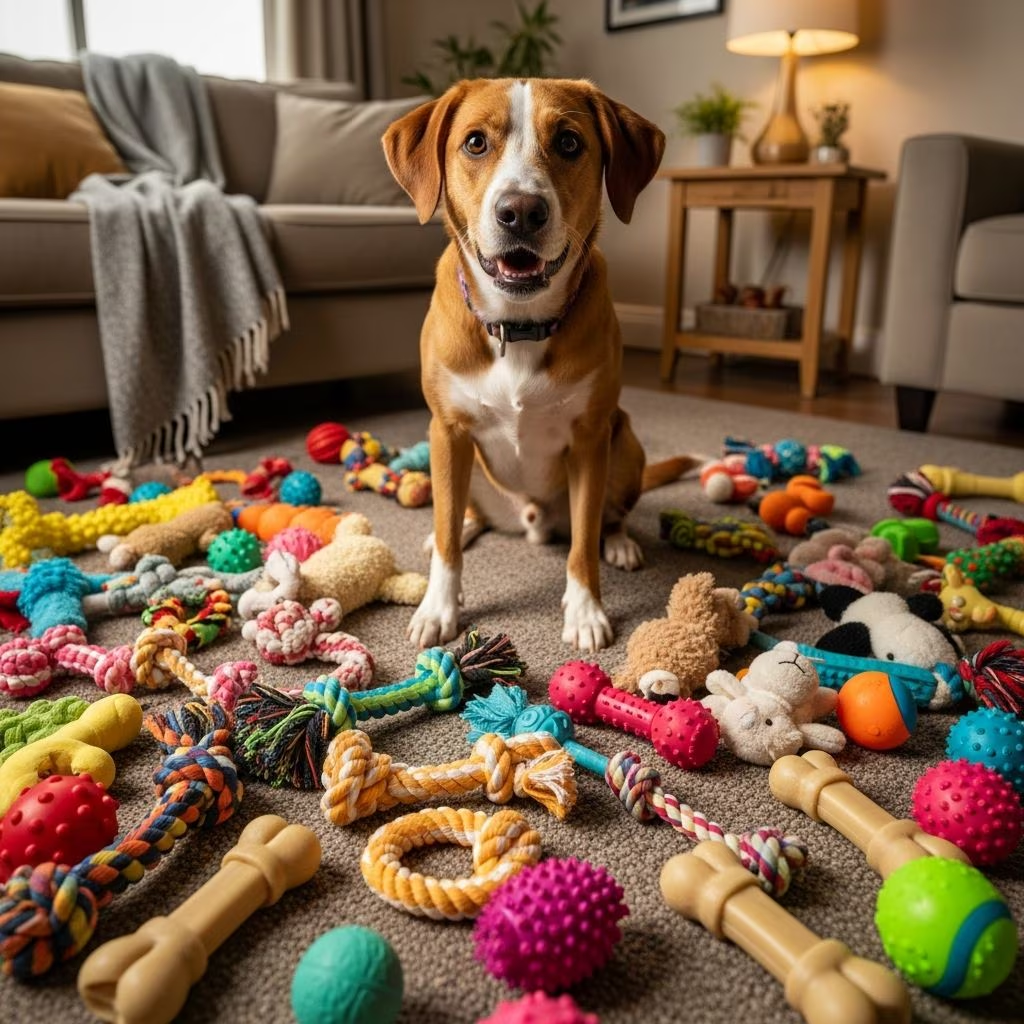
Is Your Dog Addicted to Toys? What New Research Says
Some dogs don’t just like their toys – they seem to live for them. If your dog ignores everything else for a tennis ball or stuffed animal, you might wonder whether it is just enthusiasm or a real problem. Emerging research suggests that for a small subset of dogs, extreme toy fixation can resemble behavioral addiction in humans, especially when the dog ignores food, social contact, or rest in favor of a toy.
This article breaks down what scientists and behavior experts are finding about toy-obsessed dogs, how to tell the difference between healthy play and harmful compulsion, and what you can do if your dog’s favorite toy is starting to run their life instead of just brightening it.
What Is “Toy Addiction” in Dogs?
There is no official veterinary diagnosis called toy addiction, but researchers are using terms like “excessive toy motivation” or addictive-like behaviors to describe dogs whose responses to toys look similar to human behavioral addictions such as gambling or video-game addiction.
In a recent study on pet dogs with extreme motivation for toys, scientists found that some dogs:
- Show persistent, intense focus on toys even when other enjoyable options are available (like food or social contact).
- Whine or vocalize when toys are inaccessible, indicating frustration or distress.
- Display patterns that parallel human behavioral addictions, such as difficulty disengaging, heightened arousal, and repetitive seeking.
Researchers highlight that these dogs may provide a unique model for studying behavioral addictions, because they show these patterns in everyday settings, not only in laboratories.
How Is This Different from Normal Toy Love?
Many dogs are playful and energetic, especially when young. High toy drive is not automatically a problem. Working and sporting breeds like Border Collies, Belgian Malinois, and Labrador Retrievers are often bred for intense interest in moving objects. The line between healthy enthusiasm and unhealthy compulsion usually comes down to whether the dog can:
- Pause or disengage when asked.
- Enjoy other activities such as walks, sniffing, training, and resting.
- Function normally if the toy is unavailable for part of the day.
When the toy becomes the only thing that matters, ignoring food, sleep, or social life, the behavior starts to look less like play and more like a coping mechanism or compulsion.
What the Study on Excessive Toy Motivation Found
In the study on pet dogs with extreme toy motivation, researchers evaluated how dogs behaved when toys were present, absent, or harder to access.
They looked for hallmark features of addictive-like behavior, including:
- Excessive fixation on toys – repeated efforts to get the toy, staring, pacing, or intense focus even when nothing is happening with the toy.
- Reduced responsiveness to alternatives – ignoring food, owners, or other stimuli while locked onto the toy.
- Persistent seeking – continuing to try to access toys even when blocked or discouraged.
The researchers reported clear parallels with human behavioral addictions in how these dogs responded, especially in the way they would keep seeking the toy with high arousal and reduced interest in other rewards.
| Feature | Normal Toy Interest | Excessive Toy Motivation |
|---|---|---|
| Response to toy absence | Mild disappointment, then moves on | Whining, pacing, persistent searching for toy |
| Response to food or treats | Readily takes food, even during play | Ignores food in favor of toy-seeking |
| Daily functioning | Balanced mix of rest, play, and other activities | Play and behavior revolve heavily around the toy |
Signs Your Dog Might Be Too Obsessed with a Toy
Some toy attachment is harmless and even beneficial, because play can reduce stress and provide enrichment. The concern is when your dog’s relationship with a toy starts to interfere with daily life, emotional stability, or physical health.
Behavioral Red Flags
Watch for these signs that your dog’s toy obsession may be drifting into unhealthy territory:
- Whining, barking, or pacing when the toy is out of reach or put away.
- Ignoring meals or treats if the toy is present, or fixated on where the toy might be hidden.
- Guarding or resource aggression over a toy – growling, snapping, or lunging if someone approaches.
- Inability to relax unless the toy is nearby or in their mouth.
- Repetitive behaviors like constant chewing, licking, or shaking of the same toy in a way that looks more compulsive than playful.
Physical and Safety Concerns
Overattachment to toys can also show up in physical wear-and-tear, such as:
- Cracked or worn teeth from nonstop gnawing on hard toys.
- Sore gums or oral injuries from rough chewing.
- Digestive upsets or intestinal blockage if the dog tears off and swallows pieces of toys, which is a documented risk with foreign body ingestion in dogs.
If you notice repeated gastrointestinal issues, vomiting, or sudden lethargy after your dog has shredded a toy, veterinary evaluation is essential, because swallowed toy fragments can be life-threatening.
When Does Toy Obsession Become a Clinical Concern?
Behavior experts often draw a practical line: it becomes a clinical concern when the toy stops being a source of fun and starts being a source of stress or dysfunction.
You should consider professional help from a trainer or veterinary behaviorist if:
- Your dog cannot settle or sleep unless the toy is present.
- Aggression is emerging around the toy toward humans or other pets.
- Your dog is losing interest in normal activities (walks, social time, exploration) unless the toy is involved.
- Attempts to limit access to the toy cause intense, prolonged distress rather than brief frustration.
Similar to human behavioral addictions, what matters most is the impact on overall health and functioning, not just the intensity of interest.
Why Do Some Dogs Develop Extreme Toy Fixation?
There is no single cause, but several factors may interact:
- Genetics and breed traits: Dogs bred for herding, retrieving, or high-drive sports naturally have stronger motivation to chase, grab, and control moving objects. Selective breeding can strongly influence these tendencies.
- Reinforcement history: If a toy reliably predicts fun, attention, or relief from boredom, the dog learns that this object is intensely valuable. Repetitive patterns can strengthen the habit over time.
- Unmet needs: Insufficient exercise, mental stimulation, or social contact can push dogs to latch onto a toy as a primary outlet or self-soothing tool. Research on canine welfare consistently shows that under-stimulation contributes to abnormal repetitive behaviors.
- Stress and anxiety: For some dogs, mouthing or carrying a toy can act like a comfort object. Over time, this coping behavior can become rigid or compulsive, especially if underlying anxiety is not addressed.
How to Help a Dog with Toy-Obsessed Behavior
If your dog’s toy enthusiasm is tipping into obsession, the goal is not to ban play altogether but to rebalance their life: more varied enrichment, more rest, and a more flexible relationship with toys.
1. Don’t Panic or Punish
First, avoid harsh punishment or suddenly removing all toys. Sudden deprivation can increase frustration and stress, potentially worsening behavior. Instead, think in terms of gradual adjustment and teaching new skills.
2. Rotate Toys to Avoid a Single “Chosen One”
Instead of making one toy always available, try:
- Keeping a small collection of safe toys.
- Bringing out 1–3 at a time and rotating them every few days.
- Putting extra toys out of sight so their novelty stays high without constant access.
This strategy mirrors enrichment recommendations in zoos and shelters, where rotation helps prevent fixation and boredom.
3. Build a Richer Enrichment Routine
Many toy-obsessed dogs are craving stimulation in general. You can meet that need through varied outlets, not just fetch or tug:
- Physical exercise: regular walks, off-leash time in safe areas, structured games like fetch in limited doses.
- Mental work: scent games, training sessions, puzzle feeders, or simple problem-solving tasks.
- Social interaction: calm play, cuddling (if your dog enjoys it), and time around trusted humans and dogs.
Research in canine welfare emphasizes that combining physical and mental enrichment reduces stress and abnormal behaviors more effectively than either alone.
4. Teach “All Done” and Reward Calm Walking Away
One of the most powerful skills for toy-driven dogs is learning to let go and move on. You can train this by:
- Playing a short session with a toy.
- Giving a clear cue like “all done” or “finished.”
- Prompting your dog to move with you away from the toy, then rewarding with treats, sniffing, or another activity.
- Praising and reinforcing any voluntary moments when your dog naturally sets the toy down and relaxes.
Over time, this reshapes the pattern from continuous toy focus into cycles of play and rest, which are healthier for both body and brain.
5. Manage Access if Safety Is at Risk
If your dog becomes aggressive over a toy or is at risk of ingesting it, management tools like baby gates, crates, or playpens can create safe off-limits zones. Offer the problem toy only under supervision and for brief, structured sessions, or switch to safer alternatives that are harder to destroy.
6. Address Underlying Emotional Needs
In some cases, extreme toy fixation may be a symptom of deeper stress, anxiety, or frustration. Approaches that can help include:
- Building predictable daily routines to reduce uncertainty.
- Using gentle, reward-based training to boost confidence.
- Providing quiet rest areas where your dog feels secure without needing a toy.
If you suspect anxiety disorders or compulsive behaviors, a veterinary behaviorist can evaluate whether medication, behavior modification plans, or both are appropriate.
When to Seek Professional Help
It is wise to involve professionals when:
- Aggression appears around toys (toward people or other animals).
- Your dog’s quality of life is clearly affected – trouble eating, sleeping, or engaging without the toy.
- Self-harm or health risks emerge, such as broken teeth, frequent foreign body ingestion, or weight loss.
Veterinary behaviorists and certified trainers can help distinguish between high normal drive and clinically significant compulsive behavior, using structured assessments and behavior histories.
Supporting a Healthier Relationship with Toys
Toys are not the enemy. In fact, enrichment with toys can be a protective factor against stress when used thoughtfully. The key is to help your dog develop a balanced, flexible relationship with play, where toys are one of many enjoyable parts of life rather than the only thing that matters.
By rotating toys, enriching your dog’s environment, rewarding calm disengagement, and addressing underlying stress, most dogs can learn to enjoy their beloved toys in ways that are fun, safe, and sustainable.
Frequently Asked Questions (FAQs)
Q: Is it bad if my dog has one favorite toy?
A: Not necessarily. Many dogs have a favorite toy, and that can be completely normal. It becomes a concern if your dog can’t eat, rest, or function without that toy, or shows aggression and extreme distress when it is unavailable.
Q: Can dogs really be addicted to toys like humans are to gambling?
A: Research on dogs with extreme toy motivation shows behavioral patterns that resemble human behavioral addictions, such as persistent seeking and reduced interest in other rewards. While the term “addiction” is still debated, the parallels are strong enough for scientists to use these dogs as models for studying behavioral addictions.
Q: Should I take away my dog’s toy if they are obsessed?
A: Completely removing the toy all at once can increase stress and frustration. A better approach is to rotate toys, limit access in a structured way, and gradually teach your dog to enjoy other activities and to relax without the toy.
Q: How much daily play is healthy for a high-energy dog?
A: Needs vary by age, breed, and health, but active dogs typically benefit from a combination of physical exercise, mental work, and rest each day. Your veterinarian or a behavior professional can help tailor a plan based on your dog’s specific needs and medical status.
Q: Can medication help a dog with compulsive toy behavior?
A: In severe cases of compulsive or anxiety-driven behavior, veterinary behaviorists may prescribe medication alongside behavior modification to help reduce arousal and allow learning. Medication is usually part of a broader plan that includes training and environmental changes.
References
- WSAVA Global Guidelines for the Behavioral Welfare of Companion Animals — World Small Animal Veterinary Association (WSAVA). 2023-04-01. https://wsava.org/wp-content/uploads/2023/04/WSAVA-Global-Guidelines-for-the-Behavioral-Welfare-of-Companion-Animals.pdf
- Addictive-like behavioural traits in pet dogs with extreme motivation for toys — Horváth M. et al., Scientific Reports (Nature Portfolio). 2024-09-25. https://pubmed.ncbi.nlm.nih.gov/41068197/
- Does Your Dog Love Chasing a Ball? Study Suggests Dog Toy Addiction Is Real — S. Kuta, Smithsonian Magazine. 2024-10-04. https://www.smithsonianmag.com/smart-news/is-your-dog-chasing-ball-study-suggests-dog-toy-addiction-is-real-180987517/
- Dogs Can Be Addicted to Toys, New Research Confirms — 10 News+. 2025-10-10. https://www.youtube.com/watch?v=LxWWaAb9WX4



