

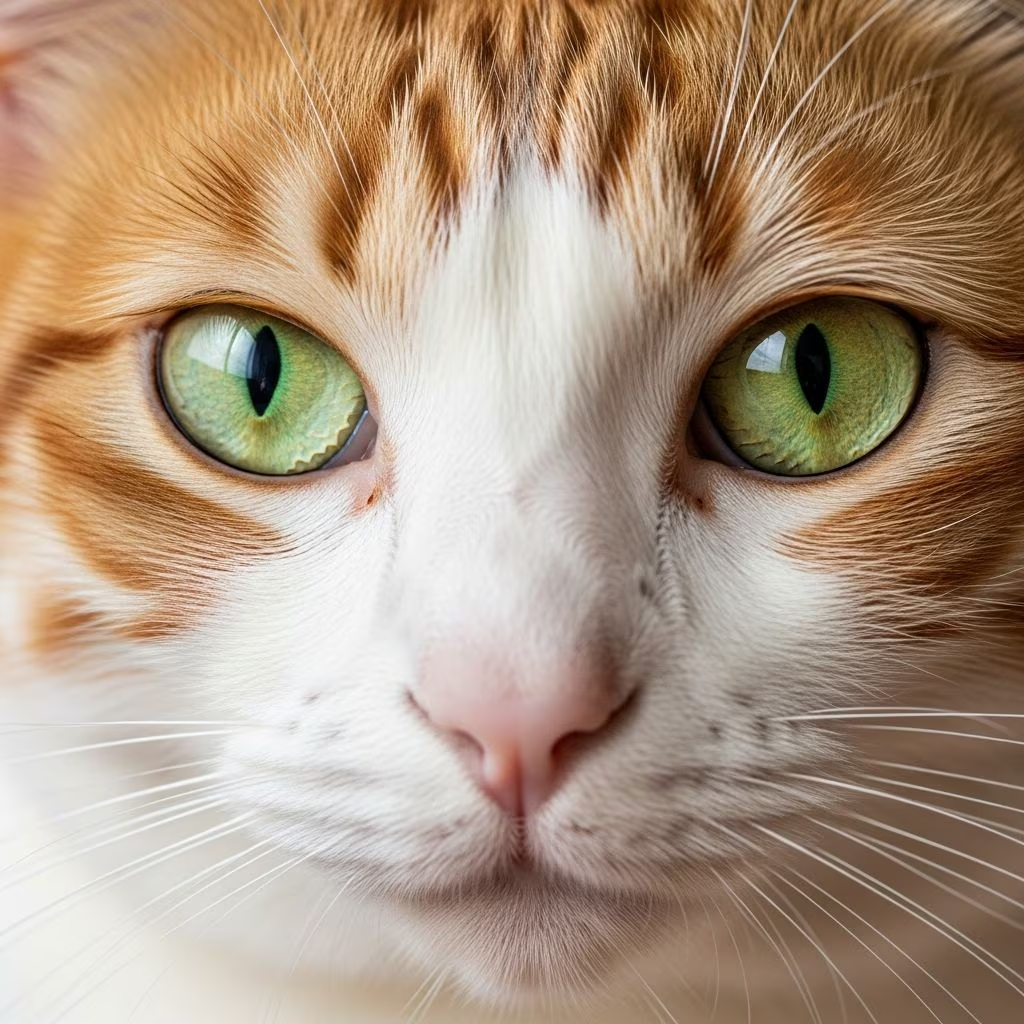
Your cat’s slow blink is often a sign of trust and affection, but frequent squinting or one-eyed winking could signal serious eye distress. Cat eye problems affect up to 20% of felines, often stemming from infections, injuries, or underlying diseases, requiring prompt veterinary intervention to prevent vision loss.
Why Do Cats Squint or ‘Wink’?
Cats use slow blinks to communicate relaxation, but rapid squinting or persistent half-closed eyes indicate discomfort. Common triggers include viral infections like feline herpesvirus (FHV), bacterial invasions, allergies, or trauma. Unlike a playful wink, painful squinting is often unilateral, accompanied by pawing, discharge, or redness.
- Happy wink: Both eyes slowly close and open symmetrically during calm interactions.
- Pain signal: One eye repeatedly closes, with tearing, cloudiness, or avoidance of light.
Early detection preserves vision; delays can lead to ulcers, glaucoma, or blindness. Always monitor for changes in your cat’s eye behavior.
1. Conjunctivitis (Pink Eye) in Cats
Conjunctivitis, or ‘pink eye,’ inflames the thin membrane covering the eye and inner eyelids, making eyes red and irritated. It’s the most common feline eye issue, often viral from FHV or bacterial, but allergies and irritants contribute.
Causes
- Viral: Feline herpesvirus or calicivirus, highly contagious in multi-cat homes.
- Bacterial: Secondary infections worsening discharge.
- Allergic: Pollen, dust, or smoke triggering inflammation.
- Trauma: Scratches exposing the conjunctiva.
Symptoms
Look for red, swollen eyes with watery to thick discharge (clear, yellow, green). Cats squint excessively, paw at faces, and may show nasal discharge if respiratory-linked.
Treatment
Vet diagnosis via exam or PCR for FHV. Bacterial cases need antibiotic drops/ointments; viral require antivirals like famciclovir, L-lysine supplements, and supportive lubrication. Isolate contagious cats and remove allergens.
| Type | Treatment | Duration |
|---|---|---|
| Bacterial | Antibiotic drops | 7-14 days |
| Viral (FHV) | Antivirals + L-lysine | 2-4 weeks |
| Allergic | Anti-inflammatory drops | Until allergens removed |
Home care: Gently wipe discharge outward with damp cotton balls; avoid OTC drops without vet approval.
2. Corneal Ulcers (Scratched Cornea)
A corneal ulcer is a painful abrasion or erosion of the eye’s clear outer layer, often from claws, foreign bodies, or dry eye complications. Untreated, it deepens, risking infection or rupture.
Causes
- Trauma: Cat fights, scratches, or grass awns.
- Infection: FHV weakening the cornea.
- Eyelid issues: Entropion causing friction.
- Dry eye: Insufficient tears eroding surface.
Symptoms
Severe squinting, tearing, cloudiness, or a blue haze over the cornea. Cats hold eyes shut and paw aggressively.
Treatment
Fluorescein staining confirms ulcers. Protect with collars; apply antibiotic drops every 4-6 hours. Deep ulcers may need surgery like grafts or tarsorrhaphy. Pain meds and healing drops promote recovery in 3-7 days.
- Monitor: No improvement in 48 hours warrants recheck.
- Prevention: Trim claws, supervise play.
3. Anterior Uveitis
Anterior uveitis inflames the uvea (iris and ciliary body), causing pain, color changes, and vision threats. It signals systemic issues like FIV, FeLV, or toxoplasmosis.
Causes
- Infectious: FHV, bacteria, fungi.
- Immune-mediated: Autoimmune reactions.
- Trauma or cancer: Less common but serious.
Symptoms
Red eyes, constricted pupils, cloudiness, tearing, and light sensitivity. Pupils may stay dilated; vision blurs.
Treatment
Address underlying cause with anti-inflammatories (steroids), immunosuppressants, or antibiotics. Dilating drops ease pain. Recheck intraocular pressure to rule out glaucoma.
Prognosis improves with early care; chronic cases risk cataracts.
4. Keratoconjunctivitis Sicca (Dry Eye)
Dry eye (KCS) results from inadequate tear production, leading to sticky discharge, irritation, and ulcers. Immune issues or herpesvirus are culprits.
Causes
- Immune-mediated: Body attacks tear glands.
- Drugs: Sulfa antibiotics.
- Neurological: Nerve damage.
Symptoms
Thick discharge, dull corneas, squinting, and redness. Eyes appear chronically irritated.
Treatment
Schirmer tear test diagnoses. Lifelong cyclosporine/tacrolimus drops stimulate tears; artificial lubricants every 4-6 hours. Parotid duct transposition surgery for refractory cases.
Other Common Cat Eye Issues
Beyond the top four, watch for glaucoma (pressure buildup causing bulging eyes), entropion (inward eyelids), ectopic cilia (misplaced lashes), and foreign bodies. Symptoms overlap: squinting, discharge, ulcers.
- Glaucoma: Emergency meds/surgery.
- Entropion: Surgical correction.
When to See a Vet Urgently
Rush to the vet if you see cloudiness, profuse discharge, squinting >24 hours, vision changes, or third eyelid protrusion. Delays risk permanent damage.
- Redness + discharge: Infection likely.
- Blue cornea: Ulcer probable.
- Sudden blindness: Retinal/uveitis issue.
Prevention Tips for Healthy Cat Eyes
Boost immunity with balanced diet, stress reduction, and vaccines against FHV/calicivirus. Regular grooming prevents scratches; clean environments minimize irritants. Annual vet eye exams catch issues early.
- L-lysine treats/prevents FHV flares.
- Humidifiers aid dry environments.
- Isolate new cats to curb spread.
Frequently Asked Questions (FAQs)
What does it mean if my cat is squinting one eye?
Squinting often signals pain from ulcers, infections, or foreign bodies—not a wink. Seek vet care promptly.[10]
Can cat eye infections resolve without treatment?
Viral ones may linger; bacterial worsen. Always vet-prescribe antibiotics to avoid complications.
Is L-lysine safe for cats with eye issues?
Yes, for FHV-related problems, but consult vet on dosage/forms like gels or treats.
How do I clean my cat’s eye discharge at home?
Use warm water-dampened cotton balls, wiping outward. Never share between eyes.
Can allergies cause cat eye problems?
Yes, leading to conjunctivitis. Remove triggers; use vet-approved drops.
References
- Keeping Your Cat’s Eyes in Purr-fect Health — Stack Veterinary Hospital. 2023. https://stackvethospital.com/keeping-your-cats-eyes-in-purr-fect-health/
- Cat Eye Infection: Signs, Causes, and Treatment — All Pets Vet Hospital. 2024. https://allpets.net/blog/cat-eye-infection/
- Cat Eye Discharge and Eye Problems — WebMD. 2024-01-15. https://www.webmd.com/pets/cats/eye-discharge-in-cats
- Feline Eye Conditions — Animal Eye Associates. 2023. https://animaleyegroup.com/feline-eye-conditions/
- 6 Common Cat Eye Problems — Northgate Veterinary Clinic. 2024-07-15. https://www.northgateveterinary.com/site/blog/2024/07/15/cat-eye-problems
- Cat Eye Problems: Most Common Eye Issues in Cats — PetMD. 2025. https://www.petmd.com/cat/general-health/common-cat-eye-problems



