

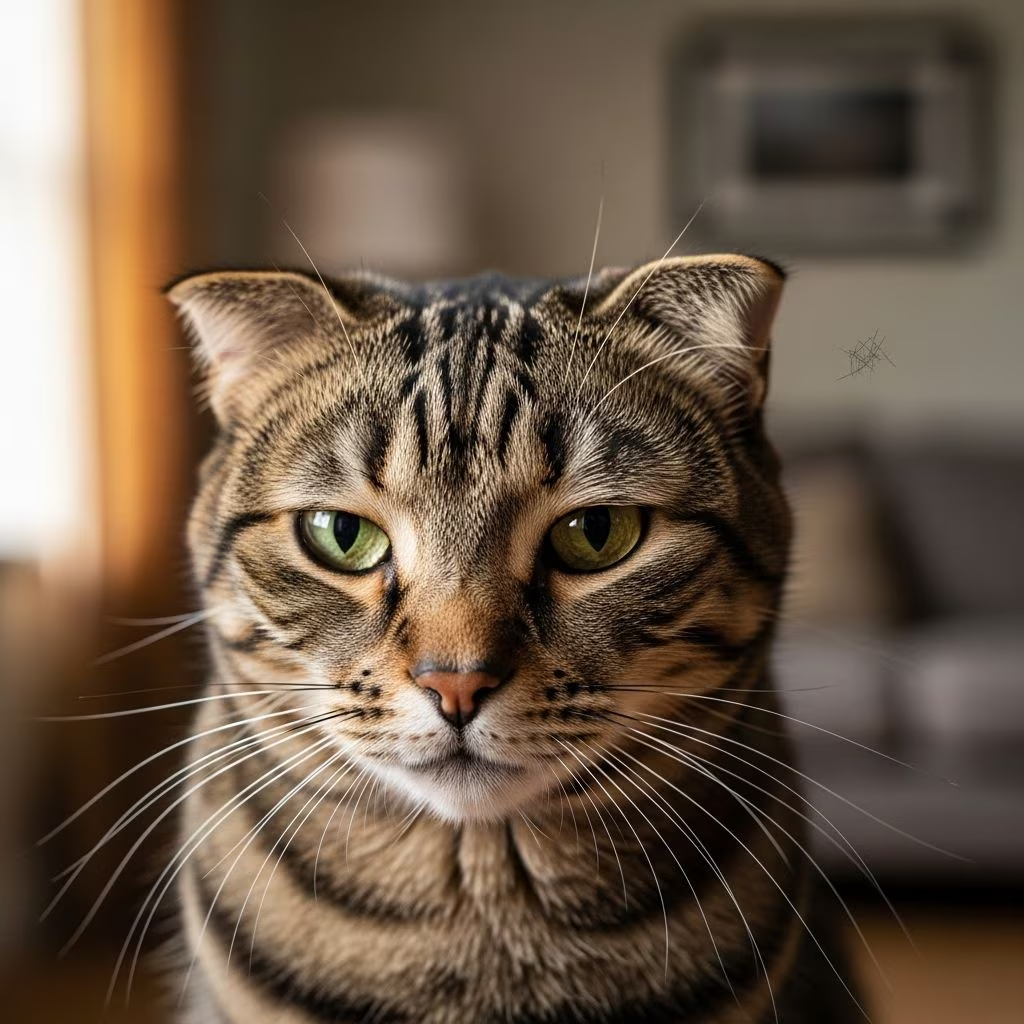
Is Your Cat Stressed? Understanding Feline Anxiety
Cats are complex beings capable of experiencing a wide range of emotions throughout their lives, including contentment, fear, boredom, and stress. Stress in cats is defined as the psychological and physical strain placed on an animal when exposed to negative environmental conditions. Unlike dogs that may openly display anxiety through constant barking or destructive behavior, cats often internalize their stress, making it challenging for owners to recognize. Understanding the signs of feline stress is crucial for maintaining your cat’s health and well-being, as prolonged stress can lead to serious medical conditions and behavioral problems.
Behavioral Signs of Stress in Cats
Behavioral changes are often the first indicators that your cat is experiencing stress. Recognizing these signs can help you take necessary steps to alleviate your feline companion’s anxiety.
Increased Vocalization
When cats are experiencing stress, they tend to be more vocal than usual. Excessive meowing or yowling is your cat’s way of communicating their anxiety and attempting to alert you to their distress. This increased vocalization may be accompanied by changes in the pitch or urgency of their meows. If your normally quiet cat suddenly becomes chatty, it may warrant investigation into what might be causing them concern.
Aggression or Irritability
One of the most noticeable signs of stress in cats is a sudden change in temperament, particularly increased aggression or irritability. If your normally gentle cat suddenly becomes aggressive, hisses, growls, or swats at you or other pets, it might be a response to stress. This behavior often stems from fear or anxiety about a perceived threat. A stressed cat may also display stalking, pouncing, or scratching behaviors directed at household members or other animals. It’s important to note that while stress can cause aggression, medical conditions such as pain from arthritis or dental disease can also trigger aggressive behavior, so a veterinary visit is recommended to rule out underlying health issues.
Hiding and Withdrawal
Stressed cats often seek refuge by hiding in quiet, secluded areas of your home. This withdrawal behavior is a coping mechanism that allows them to escape perceived threats and manage their anxiety. You may notice your cat spending increased time under beds, in closets, or other hidden spaces. This behavior indicates that your cat is feeling overwhelmed and needs a safe space to decompress.
Changes in Activity Levels
A stressed cat may experience significant changes in their activity level. Some cats become less active and more lethargic, spending more time sleeping than usual. While cats naturally sleep much of the day, a noticeable increase in sleeping may indicate that your cat is using sleep as a stress-coping mechanism. Conversely, some stressed cats may become hyperactive or exhibit restless behavior, constantly moving from place to place without settling.
Excessive Grooming
Overgrooming is a common stress response in cats. Some stressed cats groom excessively, often creating bald spots, sores, and missing patches of fur. This compulsive behavior, also known as psychogenic alopecia, may result from anxiety or as an attempt to self-soothe. The resulting skin lesions from excessive licking or scratching can become infected if left untreated.
Physical Signs of Stress in Cats
Stress in cats doesn’t only manifest through behavioral changes; it also produces tangible physical symptoms that can significantly affect your cat’s health and quality of life.
Changes in Appetite and Water Intake
Along with behavioral changes, stressed cats often experience a reduced appetite. When cats are stressed, cortisol (a stress hormone) is released into their body, which suppresses appetite and may even cause nausea. Some cats may lose interest in their usual food entirely and stop eating altogether. Additionally, your cat may have decreased water intake, leading to potential dehydration. This reduced nutritional intake can weaken your cat’s immune system and lead to more serious health complications if prolonged.
Digestive Issues
Stress can lead to inflammation in a cat’s digestive system, manifesting as vomiting, diarrhea, or constipation. These gastrointestinal symptoms result from the body’s stress response affecting normal digestive function. One of the most serious stress-related outcomes is stress-induced anorexia, which may lead to hepatic lipidosis (fatty liver disease), a potentially fatal condition particularly common in overweight cats that suddenly stop eating. If your cat exhibits signs of a low appetite, low water intake, diarrhea, or vomiting, schedule a veterinary visit promptly to rule out other medical conditions.
Litter Box Issues
Stress can cause cats to develop inappropriate elimination behaviors. They might start urinating or defecating outside the litter box, even if they were previously well-trained. This behavior can result from anxiety or serve as a way for the cat to communicate their distress. Additionally, stress has an important role in the development of feline interstitial cystitis (FIC), the most common diagnosis in cats with feline lower urinary tract disease. Cats with this condition may show painful urination and blood in urine, and very often urinate outside the litter box.
Physical Tension and Body Language
Observing your cat’s body language can reveal stress indicators. Stressed cats may display trembling, flattened or backward-pointing ears, dilated pupils, raised fur, tucked tail, and attempts to escape. Their whiskers may be pointed forward or curving downward, indicating heightened anxiety. These physical manifestations of stress are your cat’s way of communicating fear or discomfort.
Common Causes of Stress in Cats
Understanding what triggers stress in your cat is essential for prevention and management. Cats are territorial animals with specific routines, and disruptions to their environment can cause significant anxiety.
Environmental Changes
Cats thrive on routine and familiarity. Changes in their environment, such as moving to a new home, rearranging furniture, or relocating food and water dishes, litter trays, or favorite furniture, can disrupt your pet’s sense of security. Moving familiar objects breaks the environmental consistency that cats rely on for comfort and orientation.
Introduction of New Family Members or Pets
The arrival of a new baby, visitor, or another pet can trigger anxiety in your cat. Cats are territorial and may perceive new family members or guests as threats to their home. Similarly, the introduction of another cat or dog may trigger significant stress as your cat adjusts to sharing their territory.
Loud Noises and Environmental Stressors
Loud noises such as thunderstorms, fireworks, vacuum cleaners, or construction sounds can startle and stress cats. Additionally, the presence of stray cats around your home can stress your indoor cat, who may become anxious knowing that another cat has marked territory near their windows or doors.
Pain and Illness
Physical discomfort significantly contributes to stress in cats. Senior cats developing arthritis experience discomfort throughout their body, which impairs mobility and makes it difficult to squat or self-groom. Dental disease, injuries, or chronic conditions all cause pain that manifests as stress. Additionally, cats with high levels of stress are almost five times more prone to developing upper respiratory tract infections than cats with lower stress levels, and stress suppresses immune system function, increasing vulnerability to infections.
Poor Socialization and Cognitive Changes
Cats that weren’t properly socialized during their early development may experience anxiety around people or new situations. Older cats may also experience cognitive changes that increase stress and anxiety levels. Decreased sensory abilities in senior cats can also contribute to stress and disorientation.
The Health Implications of Chronic Stress
Beyond behavioral and immediate physical symptoms, chronic stress in cats can lead to serious health consequences. One of the consequences of the stress response is suppression of immune system function and the development of new infections or reactivation of previous ones. For instance, stress plays an important role in the reactivation of feline herpesvirus, a common cause of respiratory disease in cats. Furthermore, stress-induced anorexia can trigger hepatic lipidosis, particularly in overweight cats, which can be life-threatening if left untreated.
Strategies to Reduce Stress in Your Cat
Creating a calm, supportive environment is essential for reducing stress in your feline companion. Here are effective strategies to help your stressed cat:
Maintain Routine and Consistency
Keep feeding times, play sessions, and sleep schedules consistent. Cats appreciate predictability, so maintaining a regular routine helps them feel secure and reduces anxiety. When changes are necessary, introduce them gradually to allow your cat time to adjust.
Provide Environmental Enrichment
Ensure your cat has adequate mental and physical stimulation. Provide scratching posts, climbing trees, interactive toys, and puzzle feeders. Environmental enrichment prevents boredom and provides outlets for natural behaviors, reducing stress-related destructive actions.
Create Safe Spaces
Designate quiet areas where your cat can retreat and feel safe. This might be a spare bedroom, closet, or quiet corner equipped with comfortable bedding, toys, and access to food and water. Safe spaces allow stressed cats to decompress away from household activity.
Gradual Introductions
When introducing new people or pets, do so gradually and carefully. Allow your cat time to adjust at their own pace. Use separate spaces initially, allowing them to become accustomed to new smells and sounds before direct interaction.
Use Calming Products
Consider using pheromone diffusers or sprays designed to mimic natural feline calming pheromones. These products can help reduce anxiety without medication. Additionally, consult your veterinarian about other calming supplements or medications if stress is severe.
Veterinary Support
If your cat exhibits signs of stress, schedule a veterinary visit to rule out underlying medical conditions. Your veterinarian can provide guidance on stress management, prescribe medications if necessary, and identify any health issues contributing to stress.
Frequently Asked Questions (FAQs)
Q: How long does it take for a stressed cat to recover?
A: Recovery time varies depending on the source and severity of stress. Some cats may show improvement within days to weeks once the stressor is removed, while others may require several months to fully recover, particularly if they’ve developed stress-related medical conditions.
Q: Can I give my cat medication for stress?
A: Yes, your veterinarian may prescribe anti-anxiety medications or supplements for severely stressed cats. Common options include fluoxetine or other SSRIs, along with natural supplements like L-theanine. Always consult your veterinarian before administering any medication or supplement.
Q: Is stress-related litter box avoidance permanent?
A: No, litter box avoidance is often reversible once the source of stress is removed and your cat regains confidence. However, consistency in litter box cleanliness, location, and type is crucial for encouraging proper elimination behaviors.
Q: How can I tell if my cat’s aggression is stress-related or medical?
A: A veterinary examination is necessary to distinguish between stress-related and medically-caused aggression. Your veterinarian can check for pain, dental disease, arthritis, and cognitive decline, which are common medical causes of aggressive behavior in cats.
Q: What’s the difference between normal cat behavior and stress behavior?
A: Normal cat behavior includes regular sleeping, grooming, and occasional vocalization. Stress-induced behavior involves changes from your cat’s baseline—increased vocalization if normally quiet, excessive grooming resulting in hair loss, or avoiding situations they previously enjoyed.
Q: Can stress cause permanent health problems in cats?
A: Yes, chronic stress can lead to permanent health issues including stress-related anorexia, hepatic lipidosis, and immune suppression. Additionally, stress can trigger or exacerbate conditions like feline interstitial cystitis and upper respiratory infections, some of which may become recurring problems.
References
- Stress in owned cats: behavioural changes and welfare implications — National Center for Biotechnology Information (NCBI). 2024. https://pmc.ncbi.nlm.nih.gov/articles/PMC10816390/
- 8 Signs Your Cat Is Stressed — PetMD Editorial. 2024. https://www.petmd.com/cat/behavior/signs-cat-is-stressed
- Signs of Stress in Cats and How You Can Help — Hill’s Pet Nutrition. 2024. https://www.hillspet.com/cat-care/healthcare/stress-in-cats
- Is Your Cat Freaking Out? Signs of Feline Stress — WesVet Veterinary Clinic. 2024. https://wesvet.com/is-your-cat-freaking-out-signs-of-feline-stress/
- Signs & Symptoms of a Stressed Cat — Purina US. 2024. https://www.purina.com/articles/cat/health/symptoms/is-my-cat-stressed
- Understanding Feline Stress — Just Cats Clinic. 2024. https://justcatsclinic.com/understanding-feline-stress/
- Spotting Signs of Cat Stress – How to Care — Cats Protection. 2024. https://www.cats.org.uk/help-and-advice/health/cat-stress



