

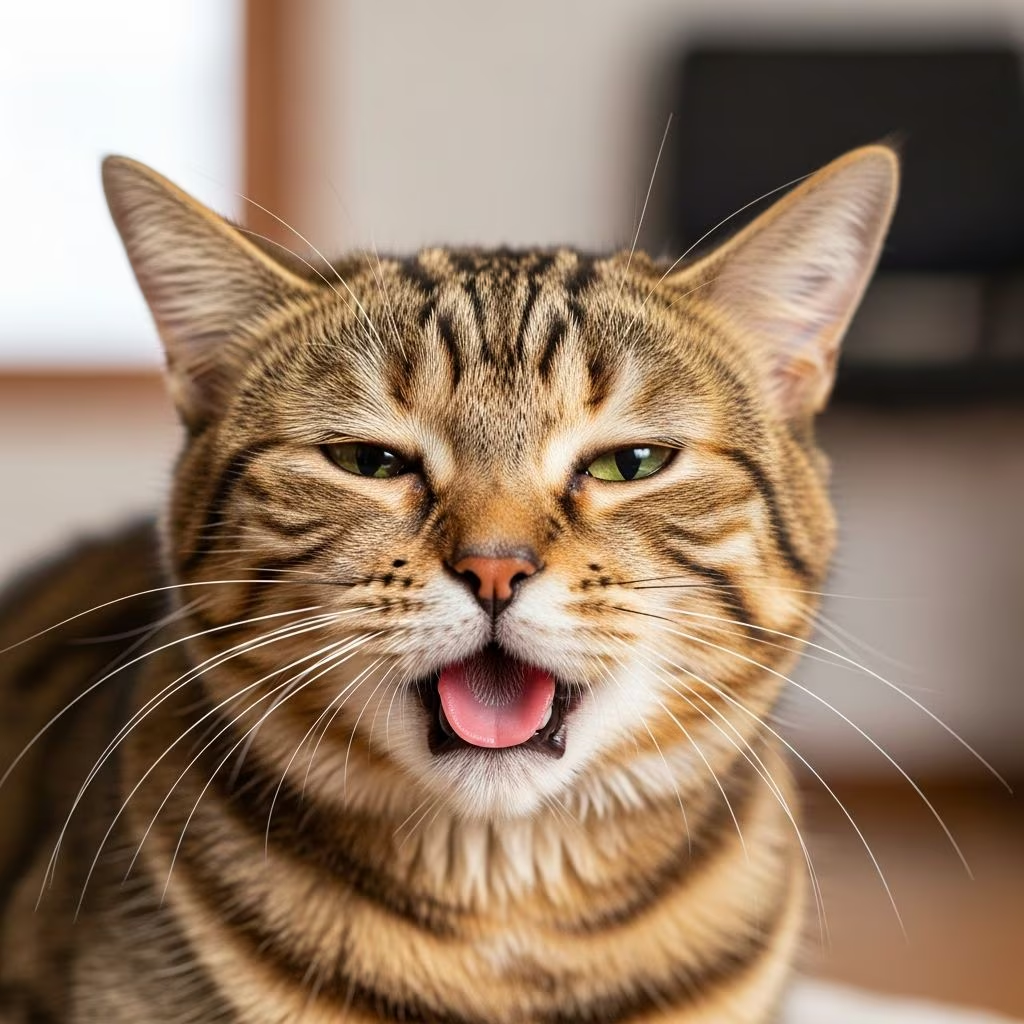
Is Your Cat Overheating? 11 Signs of Heat Exhaustion
As temperatures rise during the summer months, pet owners must become vigilant about protecting their feline companions from the dangers of heat exhaustion and heatstroke. Unlike dogs, cats often hide their discomfort, making it challenging for owners to recognize when their beloved pet is suffering from overheating. Understanding the signs of cat heat exhaustion and knowing how to respond can literally save your cat’s life.
Heatstroke in cats, also known as hyperthermia, occurs when a cat’s internal body temperature rises to dangerous levels, typically above 105°F. When cats cannot cool themselves adequately, their bodies begin to overheat rapidly, potentially leading to organ failure, brain damage, and death if left untreated. Since cats naturally rely on external methods like grooming and seeking shade to regulate body temperature, extreme heat conditions can overwhelm their cooling mechanisms.
Understanding the 11 Signs of Heat Exhaustion in Cats
Recognizing heat exhaustion symptoms in your cat is critical for early intervention. The following signs indicate your cat may be experiencing dangerous levels of heat stress:
1. Panting and Rapid Breathing
One of the most noticeable signs of heat stress is excessive panting. Cats don’t typically pant like dogs do, so if you notice your cat breathing heavily or panting, this is an abnormal behavior that warrants immediate attention.
2. Drooling
Excessive drooling can indicate that your cat is overheating and experiencing distress. This symptom often accompanies other signs of heat exhaustion.
3. Red or Pale Gums
Examine your cat’s gum color as an indicator of their circulatory health. Red gums may suggest inflammation and heat stress, while pale gums can indicate poor circulation and a more serious condition.
4. Lethargy and Unresponsiveness
An overheating cat may become unusually lethargic, showing little interest in their normal activities. They may refuse to move or respond to stimuli, appearing confused or dazed.
5. Vomiting
Heat-induced stress can cause cats to vomit. This is a serious sign that your cat’s system is becoming destabilized due to excessive heat.
6. Sweaty Paws
Cats have sweat glands primarily on their paw pads. Noticing moisture or dampness on your cat’s paws is a clear sign they are attempting to cool themselves through this limited sweating mechanism.
7. Excessive Grooming
While grooming is a normal cat behavior, excessive grooming is often a thermoregulation attempt. Your cat may be frantically licking their fur in an effort to create evaporative cooling.
8. Restlessness and Seeking Cool Spots
An overheating cat will display restless behavior, constantly searching for cooler areas. They may move from room to room, seek out tile floors, or attempt to access cooler spaces like bathrooms or basements.
9. Weakness and Loss of Coordination
As heat exhaustion progresses, your cat may display weakness or unsteady gait. They might stumble or have difficulty walking, indicating a serious escalation in their condition.
10. Confusion and Mental Changes
Severe heat stress can cause mental confusion, delirium, and personality changes. Your normally affectionate cat may become withdrawn or act disoriented.
11. Collapse and Seizures
In advanced stages of heatstroke, cats may experience collapse, loss of consciousness, or seizures. This represents a critical emergency requiring immediate veterinary intervention.
What Causes Overheating in Cats?
Understanding the risk factors for feline heat exhaustion helps you implement effective prevention strategies. Several conditions increase the likelihood that your cat will overheat:
Environmental Factors
Being trapped in a hot space without proper ventilation is a primary cause of heat exhaustion. Hot cars, garages, sunrooms with poor air circulation, and sealed indoor spaces can rapidly increase to dangerous temperatures. High humidity combined with lack of airflow prevents proper evaporative cooling, even when the temperature itself isn’t extreme.
Limited Access to Resources
Lack of shade and water, particularly in outdoor or multi-pet home environments where resources are limited, significantly increases overheating risk. Additionally, leaving cats in direct sunlight with no access to shaded areas creates dangerous conditions.
Activity Level
Excessive play or exercise in hot conditions can cause cats to overheat. Unlike humans who can regulate their body temperature more efficiently during exercise, cats are less equipped to handle the heat generated by physical activity.
Individual Risk Factors
Certain cats are more susceptible to overheating than others. Underlying health conditions, obesity, senior age, and brachycephalic breeds (like Persians with their shortened airways) have increased vulnerability to heatstroke. Cats that are already overheated and dehydrated face an even greater risk of serious complications.
How to Cool Down an Overheated Cat
If you suspect your cat is overheating, immediate action is essential. The following steps provide effective first aid while you prepare to seek veterinary care:
Move to a Cool Environment
Your first priority is to remove your cat from the hot environment immediately. Get them to a cool, calm, and soothing setting like an air-conditioned room. This helps reduce stress and begins the cooling process.
Provide Cool Water
Make drinking water available by cleaning their water bowl and providing fresh, cool water. Some cats may prefer ice cubes. However, do not force your cat to drink if they’re resistant, as this can increase stress.
Apply Cool Water Treatments
Rinse your cat in cool (not cold) water if they tolerate it without additional stress. Apply slightly cool, damp towels to their body, particularly focusing on areas of large heat exchange like armpits, groins, and behind the head. Rub cool water on paw pads and ears to aid cooling. Using warm water near a fan can create an effective evaporative cooling effect similar to perspiration.
Monitor Body Temperature
If possible, take your cat’s rectal temperature every 10 minutes. A normal cat temperature ranges from 100.5°F to 102.5°F. Temperatures of 104°F and above indicate a serious problem, with 106°F considered severe.
When to Stop Cooling
Continue cooling efforts until your cat’s temperature drops to approximately 103°F, then discontinue to prevent over-cooling. The cooling process should be gradual; too-rapid cooling can cause shock.
Important Distinction: Home Care vs. Emergency Treatment
If your cat is only mildly overheated, you can begin cooling measures at home by moving them to a shaded or air-conditioned area and offering cool water. However, it’s crucial to understand that cat heat exhaustion can quickly escalate to a full-blown emergency.
Never attempt to treat moderate or severe heatstroke at home—seek veterinary help immediately. Even if your cat seems to recover quickly, hidden damage to organs can occur without noticeable symptoms. It’s important to start brief cooling at home with cool damp towels and water on ears and paws, but head directly to a veterinarian for emergency care.
Veterinary Treatment for Heatstroke
When your cat arrives at the veterinary clinic, the treatment approach focuses on stabilizing temperature and supporting vital organs. Treatment typically includes:
Diagnostic Procedures
Vets begin with a rectal temperature reading, physical examination assessing breathing rate and gum color, and blood work to evaluate organ function and detect complications like kidney damage or electrolyte imbalance. Additional diagnostics such as X-rays or ultrasounds may be used in critical cases to rule out internal injury or assess lung health.
Cooling Methods
Vets may use cool (not cold) water, alcohol wipes on paw pads, fans, or wet towels. Ice is avoided because it can constrict blood vessels and trap heat.
Fluid and Oxygen Therapy
Intravenous (IV) fluid therapy is the primary treatment method for bringing body temperature back to normal. IV fluids help treat dehydration, support circulation, and prevent organ failure. Cats with breathing difficulties receive supplementary oxygen through an oxygen cage or, in severe cases, intubation and ventilation.
Specialized Treatments
Cats that become comatose may require mannitol, a diuretic IV medication to treat brain swelling (cerebral edema). Antibiotics are often administered to prevent sepsis (severe infection throughout the body). In severe cases involving blood vessel breakdown, plasma transfusions may be necessary.
Ongoing Monitoring
The veterinary team will pay close attention to the cat’s body temperature and alertness level, as they don’t want the body temperature to drop too low during cooling efforts. Cats with kidney failure require carefully monitored fluid therapy and may need referral to a veterinary hospital with dialysis capabilities.
Prevention Strategies for Cat Heat Exhaustion
The most effective approach to protecting your cat from heat exhaustion is prevention. Consider implementing these protective measures:
Indoor Climate Control
Keep your cat in a climate-controlled, well-ventilated location during hot weather if they spend most of their time indoors. Ensure air conditioning is functioning properly and provide adequate airflow throughout your home.
Hydration and Nutrition
Supply your cat with plenty of cool water throughout the day. Consider providing wet cat food to give them extra hydration on hot days. Supply different water bowls both inside and outside for your cat’s convenience.
Shade and Outdoor Safety
Allow your cat plenty of shade to lay under if they’re going to be outside or in a sunny indoor area. Never leave your cat unattended in a car, garage, or sealed room, as temperatures can become dangerously high within minutes.
Limiting Activity
Reduce strenuous activity during the hottest parts of the day. Encourage indoor play during peak heat hours and reserve outdoor time for cooler morning or evening periods.
Post-Heatstroke Awareness
Be aware that once animals experience heatstroke, they have a greater risk of experiencing it again. Cats that have suffered from heat exhaustion require extra vigilance and protection during subsequent warm weather.
Long-Term Complications from Heatstroke
Recovery from heatstroke may not be straightforward. Potential complications include kidney failure, cardiac or pulmonary distress, blood clot dysfunction or disorder, systemic inflammatory response, liver disease or cell breakdown, depression or mental changes, and hydrocephalus (abnormal accumulation of fluid around the brain). Some pets recover fully without complications, while others may require a specific diet based on their complications.
Frequently Asked Questions
Q: What is the normal body temperature for a cat?
A: A normal cat body temperature ranges from 100.5°F to 102.5°F. Temperatures of 104°F and above warrant concern, with 106°F considered severe.
Q: Can cats get heatstroke indoors?
A: Yes, cats can overheat indoors, especially in poorly ventilated spaces, sealed rooms, or areas exposed to direct sunlight without shade or air conditioning.
Q: Should I use cold water or cool water to cool my overheated cat?
A: Always use cool (not cold) water. Cold water and ice can constrict blood vessels and trap heat, making the situation worse.
Q: How quickly can a cat develop heatstroke?
A: Heat exhaustion can escalate rapidly. Temperatures inside a closed car can become dangerously high within minutes, making prevention and quick action critical.
Q: What should I do if my cat collapses from heat?
A: Collapse is a medical emergency. Move your cat to a cool area immediately, begin gentle cooling measures, and contact a veterinarian or emergency clinic right away for professional treatment.
Q: Will my cat fully recover from heatstroke?
A: In many cases, pets can fully recover without complications. However, some cats may experience lasting effects and require specific dietary or medical management based on complications.
References
- Heatstroke in Cats: Signs, Treatment, and Prevention — UrgentVet. 2024. https://urgentvet.com/heatstroke-in-cats-signs-treatment-prevention/
- Heatstroke in Cats: Signs, Treatment, and Prevention — PetMD. 2024. https://www.petmd.com/cat/conditions/systemic/heatstroke-cats
- Heat Stroke in Cats – Symptoms & Treatments — Purina. 2024. https://www.purina.com/articles/cat/health/symptoms/heat-stroke-in-cats
- Is Your Cat Overheating? 11 Signs of Heat Exhaustion — Chewy. 2024. https://www.chewy.com/education/cat/health-and-wellness/is-your-cat-overheating
- Spotting and Treating Heatstroke in Your Pet — Kentwood Cat Clinic. 2024. https://kentwoodcatclinic.com/news/pet-heatstroke-symptoms-treatment
- Heatstroke in dogs and cats – prevention, symptoms and first aid tips — Royal Veterinary College. 2024. https://www.rvc.ac.uk/small-animal-vet/teaching-and-research/fact-files/heatstroke-in-dogs-and-cats
- Understanding Cat Heat Stroke and How to Prevent It — MVA Vets. 2024. https://mvavets.com/blog/cat-heat-stroke/



