

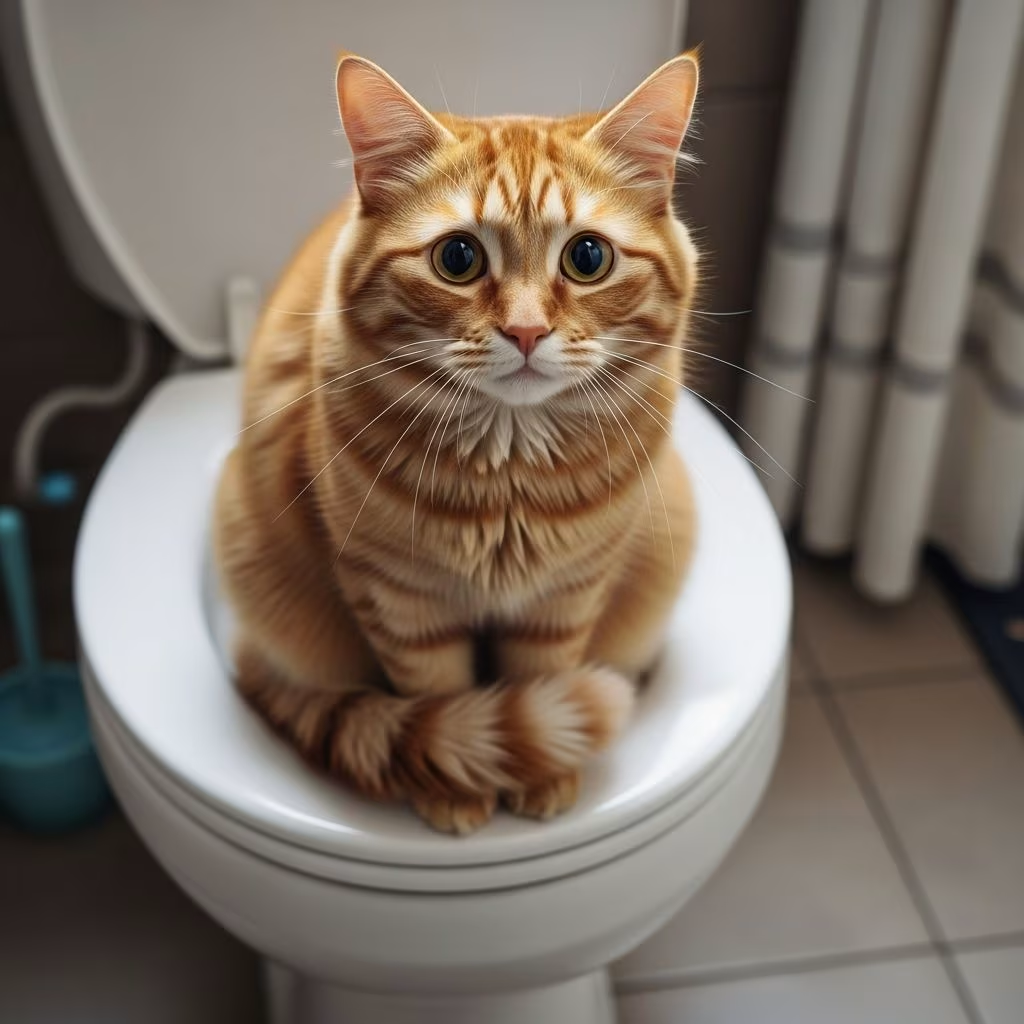
Constipation in cats is a common issue where your feline struggles to pass hard, dry stools, often straining without success. It affects cats of all ages but is more prevalent in seniors due to factors like dehydration or underlying health conditions.
Recognizing and addressing cat constipation promptly prevents escalation to obstipation or megacolon, serious conditions requiring veterinary intervention. This article explores symptoms, causes, treatments, prevention, and FAQs to help you support your cat’s digestive health.
What Does Constipation Look Like in Cats?
Cat constipation manifests through observable behavioral and physical signs. Key indicators include:
- Straining in the litter box: Your cat may spend excessive time squatting with little or no feces produced.
- Hard, dry stools: Small, pebble-like feces that are difficult to pass, unlike normal soft logs.
- Infrequent defecation: Fewer than three bowel movements per week signals a problem.
- Lethargy and appetite loss: Cats may appear uninterested in food or play due to discomfort.
- Vomiting or abdominal bloating: Severe cases lead to nausea from backed-up waste.
- Blood in stool or anal scooting: Indicates pain or irritation from impacted feces.
These symptoms differ from diarrhea; constipation involves retention of feces, causing discomfort. Elderly cats and those on dry food diets are at higher risk. Monitor litter box habits closely—changes warrant attention.
Cat Constipation Causes: Why Is My Cat Constipated?
Multiple factors contribute to constipation in cats, ranging from lifestyle to medical issues. Common causes include:
- Dietary deficiencies: Low-fiber diets or exclusive dry kibble lead to dehydration and hard stools.
- Dehydration: Insufficient water intake dries out the colon; common in cats ignoring water bowls.
- Obstructions: Ingested items like string, bones, or hairballs block the colon.
- Pain-related issues: Arthritis, spinal problems, or anal sac impaction cause avoidance of defecation.
- Stress and anxiety: Environmental changes trigger slowed gut motility.
Serious Underlying Conditions
Beyond benign causes, chronic diseases play a role:
- Kidney disease: Leads to dehydration as kidneys fail to conserve water.
- Hyperthyroidism or diabetes: Disrupt metabolism and hydration balance.
- Feline megacolon: Colon dilation where muscles fail, trapping stool; often requires surgery.
- Tumors or narrow colon: Physical blockages from cancer or pelvic fractures.
- Inflammatory bowel disease (IBD): Causes gut inflammation hindering motility.
Any cat, but especially seniors, on dry food, or with grooming habits (hair ingestion), faces elevated risk.
How Do I Know If My Cat Is Constipated or Has a Blockage?
Differentiating constipation from a blockage (obstipation) is crucial. Constipation is intermittent hard stools; blockages cause total inability to defecate, toxicity, and emergencies.
| Sign | Constipation | Blockage/Obstipation |
|---|---|---|
| Stool Frequency | Infrequent, hard pellets | No stool for days |
| Behavior | Straining, discomfort | Lethargy, vomiting, collapse |
| Abdomen | Mild bloating | Distended, painful |
| Urgency | See vet if >2 days | Emergency now |
Vet diagnosis via exam, X-rays, or bloodwork confirms issues like megacolon.
What Should I Do If My Cat Is Constipated?
Immediate steps focus on hydration and gentle aids, but consult a vet first.
Home Remedies for Constipated Cats
- Increase water intake: Switch to wet food, add fountains, or flavor water.
- Fiber boost: 1 tsp plain canned pumpkin daily softens stools.
- Exercise: Play sessions promote gut motility.
- Probiotics: Support gut flora for better digestion.
- Laxatives: Vet-approved like Miralax or lactulose; avoid human products.
Monitor for 24-48 hours; no improvement means vet visit.
Veterinary Treatments
Vets may use:
- Enemas for safe stool removal.
- IV fluids for hydration.
- Diet changes or motility drugs.
- Surgery for megacolon.
Treat underlying issues like kidney disease for long-term relief.
How Can I Prevent Constipation in Cats?
Prevention emphasizes proactive care:
- Balanced diet: Mix wet/high-fiber food; avoid all-dry.
- Hydration stations: Multiple fresh water sources.
- Weight management: Obesity hinders defecation.
- Stress reduction: Stable environment, pheromone diffusers.
- Grooming: Brush to reduce hairballs.
- Regular vet checks: Catch diseases early.
Seniors benefit from routine fiber supplements.
When Should I Worry About Cat Constipation?
Worry if symptoms persist beyond 2 days, include vomiting, no appetite, or blood. Emergencies: no stool in 3+ days, weakness, or swelling—these signal megacolon or toxicity. Prompt vet care prevents complications.
Frequently Asked Questions (FAQs)
What helps a constipated cat?
Pumpkin, water, exercise, and vet-prescribed laxatives like lactulose.
How long can a cat go without pooping?
Normal is daily; over 48 hours is concerning—see vet.
Can cats die from constipation?
Untreated severe cases lead to megacolon or rupture, yes.
Is Miralax safe for cats?
Yes, vet-dosed; 1/8 tsp daily max.
What food is best for constipated cats?
High-fiber wet food or pumpkin additives.
References
- Constipation in Cats: Symptoms, Causes & Treatment — New Hope Animal Hospital. 2024-07-15. https://www.newhopeanimalhospital.com/site/blog/2024/07/15/constipation-cats
- Constipation in Cats: Causes, Symptoms & Treatment — AnimERge. 2021-01-15. https://www.animergevets.com/site/blog/2021/01/15/constipation-dogs-causes-symptoms-treatment
- Constipation — Cornell University College of Veterinary Medicine. N/A. https://www.vet.cornell.edu/departments-centers-and-institutes/cornell-feline-health-center/health-information/feline-health-topics/constipation
- The Causes Of Constipation in Cats — Mooresville Animal Hospital. 2022-03-30. https://www.mooresvilleanimalhospital.com/site/blog/2022/03/30/constipation-cats
- Cat Constipation: Causes, Symptoms & Treatment — VEG ER for Pets. N/A. https://www.veg.com/post/6-ways-to-help-your-constipated-cat
- Cat Constipation Symptoms and Causes — PetMD. N/A. https://www.petmd.com/cat/conditions/digestive/cat-constipation-symptoms-causes



