

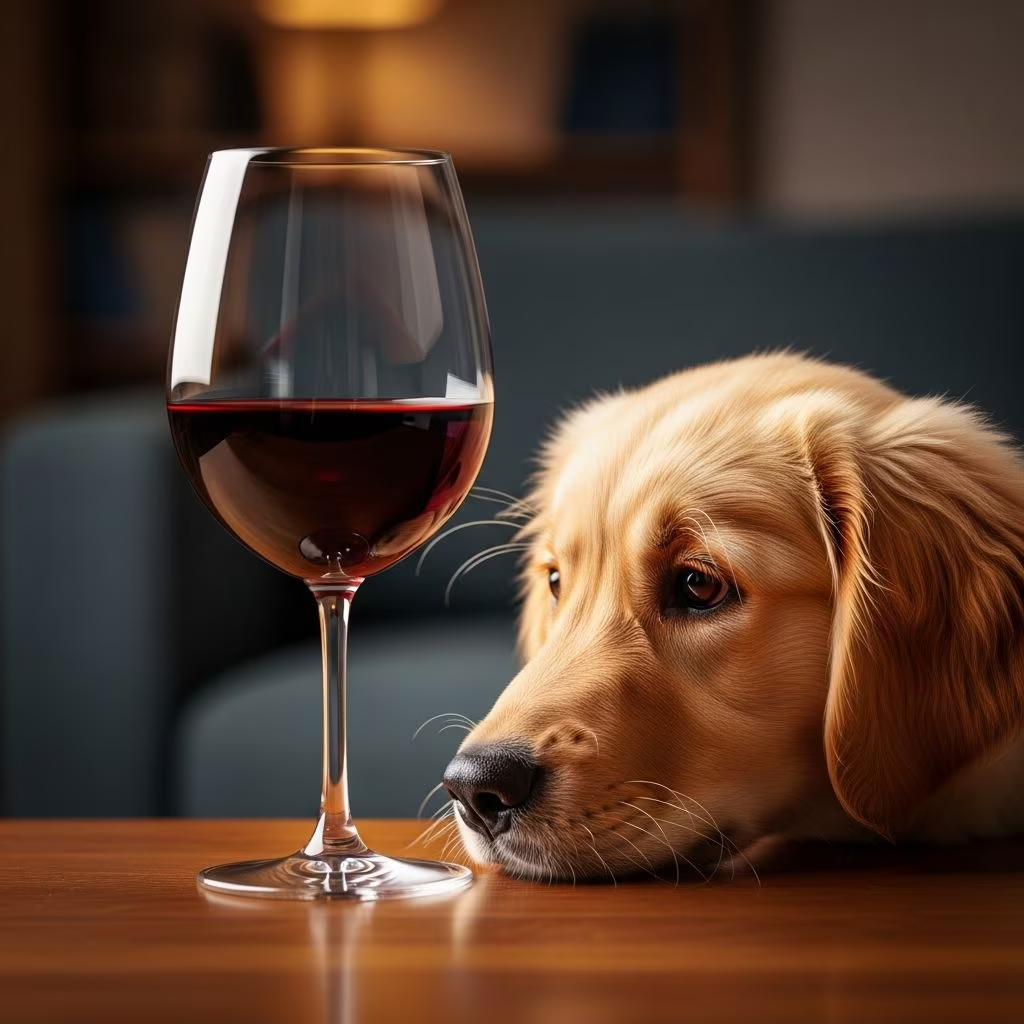
Dogs should never consume wine under any circumstances. The combination of ethanol and grape-derived ingredients makes it highly toxic, leading to rapid intoxication, organ damage, and potentially fatal outcomes even from small amounts.
The Hidden Toxins in a Glass of Wine
Wine contains ethanol, the primary intoxicating agent found in all alcoholic beverages, which dogs metabolize far less efficiently than humans. Their smaller body size and underdeveloped liver enzymes cause alcohol to absorb quickly into the bloodstream, overwhelming the system.
Beyond ethanol, many wines derive from grapes, which harbor unknown toxins—possibly tartaric acid—that trigger acute kidney failure in canines. Some dogs react severely to just one or two grapes, while others tolerate more, but the risk remains unpredictable and severe.
This dual threat amplifies the danger: ethanol depresses the central nervous system, while grape compounds attack the kidneys. Even non-grape wines carry ethanol risks, making all varieties off-limits.
How Alcohol Affects a Dog’s Body
Upon ingestion, ethanol disrupts normal bodily functions almost immediately. It lowers blood sugar (hypoglycemia), drops blood pressure (hypotension), and reduces core body temperature (hypothermia), all of which strain vital organs.
The liver, responsible for breaking down toxins, struggles with alcohol in dogs, leading to buildup that affects the brain, heart, and respiration. In extreme cases, this cascade results in metabolic acidosis, where blood becomes dangerously acidic, impairing cellular function.
| Physiological Effect | Consequence in Dogs |
|---|---|
| Central Nervous System Depression | Lethargy, disorientation, tremors, seizures, coma |
| Cardiovascular Impact | Hypotension, irregular heart rate |
| Respiratory Suppression | Shallow breathing, potential failure |
| Temperature Regulation | Hypothermia, shivering |
| Kidney Strain (from grapes) | Acute failure, elevated toxins |
These effects scale with dose relative to body weight: a few laps from a wine glass could intoxicate a small dog, while larger breeds might need more but still face grave risks.
Recognizing Alcohol Poisoning Symptoms
Symptoms appear within 30-60 minutes, starting mildly but escalating rapidly. Early signs include vomiting, diarrhea, and unsteadiness, progressing to lethargy and incoordination.
- Mild intoxication: Restlessness, excessive panting, drooling
- Moderate: Ataxia (wobbling), vomiting, slow heart rate
- Severe: Seizures, coma, respiratory arrest
Monitor for hypothermia—feel ears and paws for coldness—and labored breathing. Grape-related toxicity may delay with kidney symptoms like increased thirst or reduced urine output appearing later.
Immediate Steps If Your Dog Ingests Wine
Time is critical: do not wait for symptoms. Secure the area, note the wine type, amount, and time ingested, then contact a vet or pet poison hotline immediately.
- Prevent further access to wine or spills.
- Call your veterinarian or an emergency clinic.
- Provide details: dog’s weight, wine volume, and any observed symptoms.
- Avoid home remedies like inducing vomiting, as this risks aspiration pneumonia without guidance.
Vets may administer activated charcoal, IV fluids for hydration and blood pressure support, or medications to control seizures and stabilize temperature. Prognosis improves with prompt intervention.
Why Dogs Are Drawn to Wine and How to Prevent It
The sweet aroma and fruity notes of wine attract curious noses, especially in puppies or during gatherings. Dogs may lap up spills or knock over glasses amid distractions.
Prevention strategies include:
- Elevating drinks on high surfaces or using lidded containers.
- Supervising pets during parties; confine if needed.
- Cleaning spills instantly with an enzymatic cleaner to erase scents.
- Educating household members and guests about risks.
- Opting for pet-safe mocktails if sharing ‘drinks’—plain water or broth only.
Myths About Alcohol and Pets Debunked
Some believe ‘a little won’t hurt’ or that larger dogs tolerate more—these are false. No safe threshold exists; sensitivity varies by individual.
Another myth: wine is milder than spirits. Ethanol concentration matters less than total intake relative to weight; wine’s volume can deliver dangerous doses quickly.
Diet wines with xylitol are even worse, as this sweetener causes profound hypoglycemia and liver failure.
Long-Term Health Implications
Even survived incidents leave scars. Alcohol alters brain structure, impairs cardiovascular function, and stresses kidneys, increasing chronic disease risks.
Repeated low-level exposure, like from fermented fruits outdoors, compounds damage. Proactive avoidance ensures lifelong health.
Alternatives for Enjoying Time with Your Dog
Skip alcohol; celebrate with dog-friendly treats. Frozen broth pops, peanut butter Kongs, or puppy-safe herbal teas (chamomile, cooled) mimic fun without harm.
During wine nights, engage your dog with puzzle toys or walks to redirect attention and strengthen bonds safely.
Frequently Asked Questions
Can a tiny sip of wine hurt my dog?
Yes—even laps from a glass can intoxicate small breeds, causing poisoning symptoms.
What if my dog ate grapes but no wine?
Grapes alone risk kidney failure; induce no vomiting and seek vet care urgently.
How much wine is lethal for a 20-lb dog?
No exact amount, but 1-2 oz/kg can be fatal; any ingestion warrants professional help.
Is red wine worse than white for dogs?
Both dangerous due to ethanol; reds often have more grape residue, heightening kidney risk.
Can vets treat wine poisoning at home?
No—always professional intervention; home monitoring suffices only post-vet clearance.
References
- Dog Drinking Wine: What Every Pet Owner Should Know — UAH Pet. 2023. https://www.uahpet.com/blogs/post/dog-drinking-wine-what-every-pet-owner-should-know
- Health Q&A: What happens when pets consume wine by accident — Wine Spectator. 2023-10-12. https://www.winespectator.com/articles/health-q-a-what-happens-when-pets-consume-wine-by-accident
- Can Dogs Drink Alcohol? — Vetset. 2024. https://www.vetset.net/can-dogs-drink-alcohol/
- What To Do if Your Dog Drinks Alcohol — MetLife Pet Insurance. 2023. https://www.metlifepetinsurance.com/blog/pet-health/what-happens-if-a-dog-drinks-alcohol/
- Can Dogs Drink Beer & Wine? Alcohol Poisoning — Rover. 2024. https://www.rover.com/blog/can-dog-drink-alcohol/
- What to Do if Your Dog Drinks Alcohol — American Kennel Club (AKC). 2023-12-15. https://www.akc.org/expert-advice/vets-corner/is-alcohol-dangerous-for-dogs/
- IS WINE BAD FOR DOGS? — Pet Poison Helpline. 2024. https://www.petpoisonhelpline.com/pet-tips/is-wine-bad-for-dogs/



