

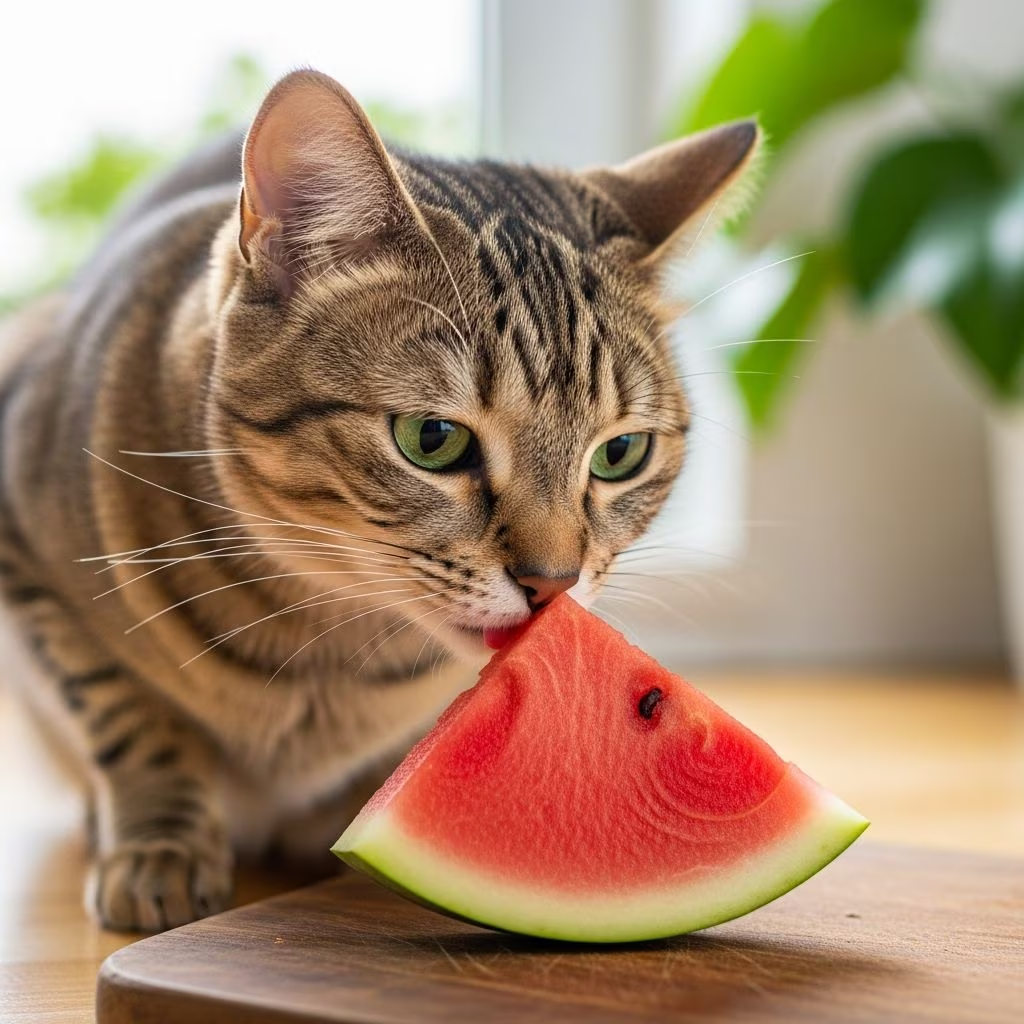
Cats can safely consume small amounts of seedless, rind-free watermelon flesh as an occasional treat. This hydrating fruit offers minor nutritional perks but should never replace a balanced, meat-based diet suited to obligate carnivores.
Nutritional Profile of Watermelon for Feline Diets
Watermelon consists of about 91% water, making it an excellent source of hydration for cats that may not drink enough from their bowls. Its low-calorie nature—roughly 1 calorie per teaspoon—fits within the guideline that treats should comprise no more than 10% of a cat’s daily caloric intake.
Key nutrients include vitamins A, B1, B5, B6, and C, along with potassium, magnesium, and antioxidants. These support vision, immune function, and muscle health, though cats derive most essential nutrients from animal proteins rather than plants.
- Vitamin A: Aids eye health and skin integrity.
- Vitamin C: Boosts immunity, though cats produce it internally.
- Potassium: Helps regulate heart rhythm and nerve signals.
- Magnesium: Supports bone development and energy production.
Despite these elements, watermelon lacks the high-quality protein, taurine, and fatty acids critical for feline well-being, positioning it firmly as a supplementary snack.
Potential Health Benefits for Cats
The high moisture content helps combat dehydration, particularly in hot weather or for finicky drinkers. Low calories make it preferable to fatty human foods, aiding weight management in active cats.
Antioxidants like carotenoids may offer mild anti-inflammatory effects, potentially benefiting overall vitality. Fiber promotes gentle digestion in small doses, though excess can overwhelm a cat’s short gut.
| Nutrient | Benefit for Cats | Amount per 1 Cup (Approx.) |
|---|---|---|
| Water | Hydration | 91% |
| Calories | Weight control | 46 |
| Vitamin A | Vision support | Present |
| Potassium | Muscle function | Present |
| Sugar | Energy (use sparingly) | 9.5g |
This table highlights why moderation is key: benefits shine in tiny portions.
Key Risks and Dangers to Watch For
While non-toxic in flesh form, watermelon carries hazards. Natural sugars can elevate blood glucose, risky for diabetic, obese, or senior cats, potentially causing weight gain or insulin spikes.
Digestive issues like diarrhea, vomiting, gas, or bloating arise from plant sugars and high water content acting as a laxative. Cats with sensitive stomachs face higher odds.
Rinds are fibrous and indigestible, risking blockages or irritation. Seeds contain amygdalin, which releases cyanide when chewed—a toxic compound hazardous to cats’ sensitive systems, plus choking potential.
Special Considerations for Vulnerable Cats
- Diabetic Cats: Avoid entirely due to high sugar content exacerbating conditions.
- Obese Cats: Limit to prevent calorie surplus.
- Senior Cats: Monitor for digestive tolerance as metabolism slows.
Preparation Guide: Serving Watermelon Safely
To minimize risks, follow these steps meticulously:
- Wash the watermelon thoroughly under running water.
- Cut away all rind completely.
- Remove every seed, opting for seedless varieties if possible.
- Chop flesh into tiny, bite-sized pieces (1-inch squares or smaller).
- Introduce gradually, starting with a pea-sized amount to test tolerance.
- Store extras in the fridge for up to 3 days in an airtight container.
Offer once or twice weekly, never exceeding 10% of daily calories. Consult a vet for personalized calorie needs.
Safe Alternatives to Watermelon Treats
For variety without fruit risks, consider cat-specific options:
- Commercial freeze-dried meat treats rich in protein.
- Plain cooked chicken or turkey (unseasoned, boneless).
- Canned pumpkin (plain, for fiber without sugar).
- Catnip or silver vine for stimulation.
These align better with carnivorous needs while providing hydration or fun.
Watermelon for Kittens and Young Cats
Kittens should not eat watermelon. Their immature digestive systems struggle with sugars and fiber, increasing upset risks. Higher choking hazards from small mouths and developing teeth make it unwise. Stick to kitten formula or vet-approved weaning foods until adulthood.
Signs of Trouble and When to Call the Vet
Monitor post-treat for:
- Vomiting or diarrhea.
- Lethargy or appetite loss.
- Excessive thirst or urination (sugar-related).
- Abdominal pain (hunching, whining).
If symptoms appear, withhold treats, offer water, and contact a vet promptly. For seed ingestion or blockages, seek emergency care.
Understanding Cats as Obligate Carnivores
Cats evolved as hunters, relying on meat for taurine, arachidonic acid, and other vital compounds absent in fruits. Plant matter like watermelon provides no substitutes, underscoring why it’s a treat, not a staple. AAFCO-compliant kibble or wet food meets all needs comprehensively.
FAQs
Can all cats tolerate watermelon?
No, those with diabetes, obesity, or GI sensitivities should avoid it. Always vet-check first.
How much watermelon is too much?
A 1-inch cube, diced, once weekly max. Adhere to the 10% treat rule.
Is seedless watermelon truly safe?
Mostly, but inspect for tiny white seeds and remove them to eliminate cyanide risk.
What if my cat steals watermelon?
Small flesh amounts are usually fine; watch for distress and remove rinds/seeds immediately.
Does watermelon help with cat hairballs?
Minimal fiber may aid mildly, but pumpkin or malt paste is superior.
In summary, seedless watermelon flesh delights many cats occasionally, offering hydration without major calories. Prioritize safety through preparation, portion control, and health awareness to keep treats beneficial.
References
- Can Cats Eat Watermelon? | Hill’s Pet US — Hill’s Pet Nutrition. 2023. https://www.hillspet.com/cat-care/nutrition-feeding/can-cats-eat-watermelon
- Can Cats Eat Watermelon? Everything You Need to Know — Chewy.com. 2024. https://www.chewy.com/education/cat/food-and-nutrition/can-cats-eat-watermelon
- Can Cats Eat Watermelon? Here’s Everything You Need to … — Pawlicy Advisor. 2024. https://www.pawlicy.com/blog/can-cats-eat-watermelon/
- Can Cats Eat Watermelon? — PetMD. 2024-01-15. https://www.petmd.com/cat/nutrition/can-cats-eat-watermelon
- Can Cats Eat Watermelon? A Comprehensive Guide — BirdsBesafe. 2023. https://www.birdsbesafe.com/blogs/news/can-cats-eat-watermelon



