

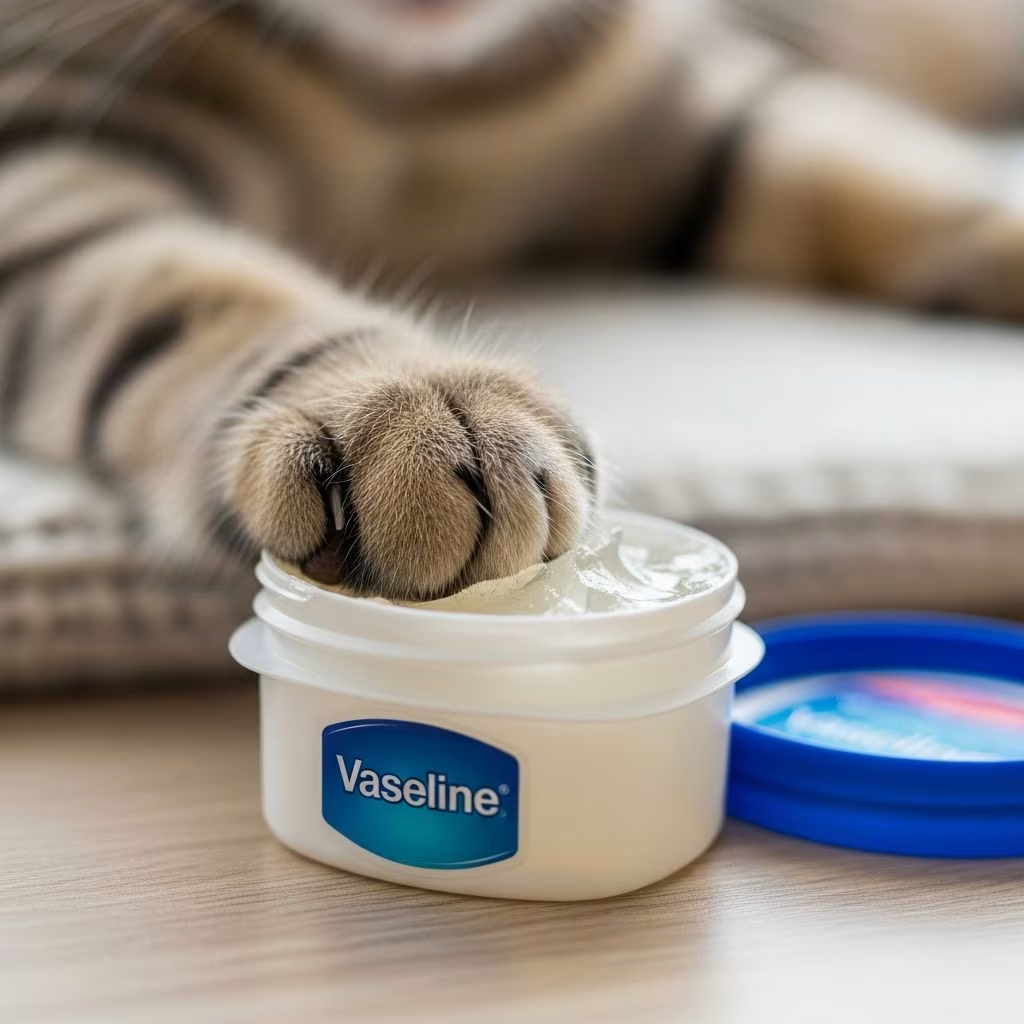
Vaseline, a petroleum jelly made from mineral oils and waxes, acts as an occlusive agent to lock in moisture and protect skin. For cats, it is generally safe for external use on paws, particularly to soothe dry, cracked paw pads, as long as pure, medical-grade products are used sparingly.
Is Vaseline Safe for Cats?
Pure Vaseline is non-toxic for topical application on cats, functioning similarly to its use in humans by forming a protective barrier that prevents transepidermal water loss and aids skin repair. Veterinary experts note its effectiveness for minor skin issues like dry paws, small cuts, or post-surgical wounds, where it keeps the area moist, reduces scabbing, and promotes faster healing without antibacterial properties but excellent occlusion.
Key benefits include:
- Moisturizing dry paws: Cracked paw pads from winter dryness or rough surfaces improve within 24-48 hours with thin applications.
- Protecting wounds: Supports barrier repair on minor abrasions, preventing further moisture loss.
- Safe if licked: Small ingested amounts pass harmlessly through the digestive tract, unlike essential oils which can be toxic.
However, Vaseline provides no nutritional value and is not intended for ingestion in large quantities. Cats prone to excessive grooming may ingest more, so monitor usage.
How Vaseline Works on Cat Paws
Vaseline’s emollient properties create a semi-permeable barrier over the paw pads, trapping natural skin oils and moisture while allowing the skin to breathe. This is crucial for cats, whose paw pads endure constant exposure to litter, concrete, snow, or chemicals that cause cracking and fissures.
In veterinary practice, it’s recommended for:
- Dry noses and paw pads in winter.
- Healing superficial paw injuries without trapping bacteria if wounds are cleaned first.
- Mild lubrication for hairballs, though primarily topical for paws (¼ teaspoon orally max for hairballs).
| Product | Pros | Cons | Safety for Licking |
|---|---|---|---|
| Vaseline (Petroleum Jelly) | Occlusive barrier, cheap, widely available, non-toxic small amounts | Not breathable long-term, messy if over-applied | Safe in small amounts |
| Coconut Oil | Antibacterial, natural scent cats may tolerate | High absorption, caloric, potential allergies | Moderately safe, but monitor |
| Aloe Vera | Soothing, hydrating | Bitter taste, some toxic if ingested | Avoid if cat licks excessively |
| Vet Paw Balms (e.g., Musher’s Secret) | Pet-specific, waxy protection | More expensive | Generally safe |
Safe Application Guide for Cat Paws
To apply Vaseline safely:
- Clean the paws: Gently wash with mild soap and warm water, dry thoroughly to avoid trapping moisture with debris.
- Use pure Vaseline: Opt for unscented, additive-free petroleum jelly; avoid flavored or medicated versions.
- Apply thinly: Use a pea-sized amount per paw, massage into pads and between toes for 30 seconds. Excess can fling off during shaking.
- Frequency: 1-2 times daily for 3-5 days or until improvement; reapply as needed for maintenance.
- Monitor: Watch for irritation, worsening cracks, or infection signs like swelling/redness. Discontinue and consult a vet if present.
Cats may resist initially due to the greasy feel—distract with treats or apply during sleep. If paws are severely cracked or bleeding, seek veterinary care first.
Risks and When to Avoid Vaseline on Cat Paws
While safe topically, risks include:
- Over-ingestion: Large amounts can cause diarrhea or GI upset; limit to thin layers.
- Infected wounds: Occlusive nature may trap bacteria—clean and use antibiotic ointments instead.
- Allergies: Rare, but discontinue if redness or itching occurs.
- Messy application: Cats shake paws vigorously, spreading jelly on furniture.
Avoid on open wounds without vet approval, deep cracks, or if your cat has underlying conditions like diabetes affecting paw circulation.
Alternatives to Vaseline for Cat Paw Care
If Vaseline isn’t ideal, consider:
- Vet-recommended paw waxes: Products like Paw Wax or Musher’s Secret provide durable protection without greasiness.
- Natural oils: Coconut or olive oil for mild cases, applied sparingly (coconut has antifungal benefits).
- Humectants: Shea butter or lanolin-based creams that draw in moisture.
- Humidifiers and booties: Indoor humidity control and paw booties prevent dryness.
For chronic issues, blood tests may reveal allergies or nutritional deficiencies—consult your vet.
Preventing Dry Cat Paws
Proactive steps reduce the need for treatments:
- Wipe paws after outdoor exposure to remove salts/chemicals.
- Use soft litter to minimize abrasion.
- Maintain indoor humidity above 40% with humidifiers.
- Feed omega-3 rich diets (fish oil supplements) for skin health.
- Regular paw inspections during grooming.
Frequently Asked Questions (FAQs)
Q: Is Vaseline toxic if my cat licks it off their paws?
A: No, small amounts are non-toxic and pass through the gut harmlessly. Use sparingly to minimize ingestion.
Q: How much Vaseline should I apply to cat paws?
A: A thin layer—pea-sized per paw. Massage in; excess leads to mess.
Q: Can Vaseline help with hairballs in cats?
A: Yes, ¼ teaspoon orally twice daily for 3 days lubricates hair passage, but consult vet first.
Q: Is Vaseline better than coconut oil for cat paws?
A: Vaseline provides superior occlusion; coconut oil absorbs faster with added antimicrobial benefits. Choose based on needs.
Q: When should I see a vet for cracked cat paws?
A: If cracks bleed, swell, persist >1 week, or accompany limping/infection signs.
Conclusion: A Safe, Simple Solution
Vaseline offers cat owners an accessible, vet-endorsed remedy for dry paws when used correctly. Combine with prevention for optimal paw health.
References
- Is Vaseline Safe for Cat Paws? Vet Reviewed Facts & FAQ — Catster. 2023. https://www.catster.com/cat-health-care/is-vaseline-safe-for-cat-paws/
- Is Vaseline Safe for Dogs and Cats? What Pet Owners Should Know — Veterinary Secrets (Dr. Andrew Jones, DVM). 2023. https://veterinarysecrets.com/vaseline-safe-for-pets/
- Should You Put Vaseline on Your Dog or Cat? — Dr. Andrew Jones, DVM (YouTube). 2023-10-01. https://www.youtube.com/watch?v=Fx4wP5rYLQM
- Petroleum Jelly (Vaseline®) General Information — ASPCA Animal Poison Control. 2024. https://www.aspca.org/pet-care/animal-poison-control/toxic-and-non-toxic-plants/petroleum-jelly
- Wound Management in Small Animals — Merck Veterinary Manual. 2025-01-10. https://www.merckvetmanual.com/skin-diseases/wound-management/wound-management-in-small-animals



