

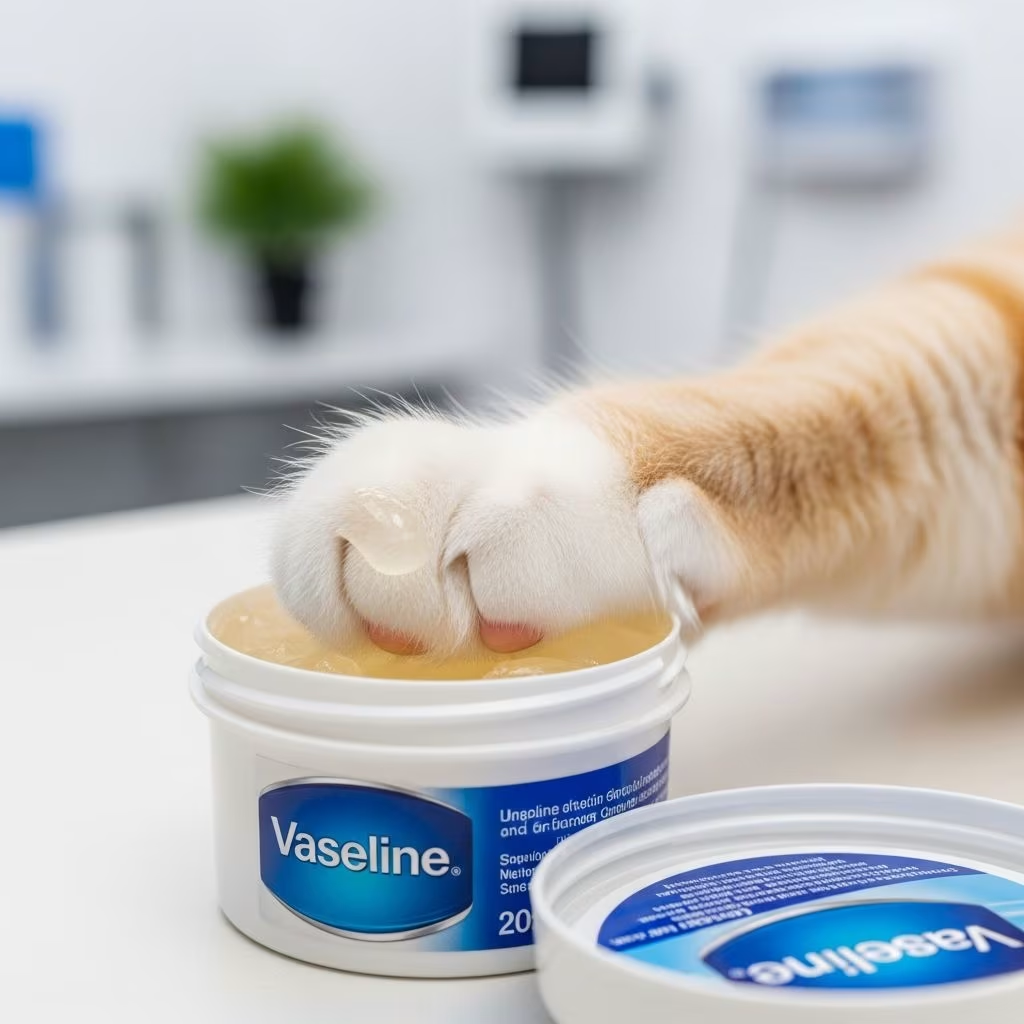
Vaseline, a petroleum jelly, creates a protective moisture barrier ideal for soothing dry or cracked cat paws when applied externally. It is safe for topical use on cats, provided small amounts licked off are not a concern, as it passes harmlessly in minor quantities without nutritional value.
Is Vaseline Safe for Cats?
Vaseline consists of mineral oils and waxes, with original pure petroleum jelly being the safest choice for cats. It functions by locking in moisture, soothing irritated skin, and aiding healing of minor cracks on paw pads, much like it does for human skin.
External application is key; never feed Vaseline to cats as it offers no benefits and larger ingestions could pose risks. Small licked amounts are non-toxic, making it suitable for curious cats who groom their paws.
How to Apply Vaseline to Cat Paws
Apply sparingly: use a pea-sized amount per paw pad, gently massaging into clean, dry paws. Cats’ paws are sensitive, so distract with treats, a lick mat, or have a helper pet the cat during application.
- Wash paws first with mild soap and water to remove debris.
- Pat dry thoroughly before applying.
- Massage thinly; excess leads to shaking off and mess.
- Monitor for licking; use an e-collar if persistent.
If the cat flicks paws or licks excessively, reduce amount or reapply after 4-6 hours. Improvement in cracks often shows within 24 hours with twice-daily use.
Signs Your Cat’s Paws Need Veterinary Attention
While Vaseline helps mild dryness, severe issues require a vet. Watch for these symptoms indicating pain, infection, or underlying conditions like allergies or parasites:
- Limping or reduced walking/running.
- Avoiding jumps to favorite spots.
- Excessive paw licking or chewing.
- Refusing to cover waste in litter box.
- Decreased grooming elsewhere, focusing on paws.
- Yowling or pain when paws touched.
Environmental irritants like harsh cleaners or rough surfaces may cause issues; switch to pet-safe products and keep cats indoors temporarily.
Alternatives to Vaseline for Cat Paws
Several cat-safe options provide moisturizing relief, often preferred for natural benefits or better absorption. Consult a vet before use.
Cat-Safe Oils
Fish oil and coconut oil hydrate paws effectively. Coconut oil is anti-inflammatory and safe topically or in small oral doses.
- Fish oil: Omega-3s reduce inflammation; apply externally or add to food.
- Coconut oil: Natural barrier, antimicrobial; melt and rub thinly on paws.
Avoid all essential oils, toxic to cats even diluted.
Pet-Specific Paw Moisturizers
Vet-recommended products formulated for feline paws outperform home remedies if dryness persists. They absorb better without greasiness.
Other Remedies
- Aloe vera: Soothing gel for minor irritations (pure, no additives).
- Castor oil: Promotes healing for cuts; use sparingly.
- Pet-safe balms: Wax-based for protection against elements.
| Remedy | Benefits | Application | Safety Notes |
|---|---|---|---|
| Vaseline | Moisture barrier, non-toxic small ingest | Thin layer, 2x/day | External only; messy |
| Coconut Oil | Anti-inflammatory, absorbs well | Melt & massage | Cat-safe; oral ok small amt |
| Fish Oil | Omega-3 healing | Topical or food | Vet dose for oral |
| Paw Moisturizer | Feline-specific formula | As directed | Vet-approved |
Preventing Dry Cat Paws
Proactive care keeps paws healthy year-round. Dryness worsens in winter from heaters or summer from hot pavement.
- Regular paw checks during grooming.
- Moisturize weekly in dry seasons.
- Use booties for extreme weather.
- Pet-safe litter to avoid abrasiveness.
- Humidifier indoors for low humidity.
Diet rich in omegas supports skin health from within.
Frequently Asked Questions
Is Vaseline toxic if my cat licks it off their paws?
No, small amounts are non-toxic and pass through the digestive system harmlessly. Limit application to minimize ingestion.
How often should I apply Vaseline to cat paws?
Twice daily for acute dryness, reducing to once as improves. Thin layer prevents mess.
Can Vaseline help with hairballs in cats?
Yes, a small amount (1/4 tsp 2x/day for 3 days) lubricates for hairball passage, but consult vet first.
What if Vaseline doesn’t improve my cat’s paws?
Seek vet for underlying issues like allergies, infections, or nutritional deficiencies. Try alternatives like coconut oil.
Is coconut oil better than Vaseline for cat paws?
Coconut oil absorbs better with added antimicrobial benefits; both safe, but oil suits natural preference.
Conclusion
Vaseline safely moisturizes dry cat paws externally, offering quick relief for cracks while non-toxic in licked traces. Combine with vet checks for best outcomes, exploring oils or specialized balms for persistent cases. Healthy paws ensure happy, active cats.
References
- Can I Put Vaseline on My Cat’s Paws? Our Vet Discusses Safety — Hepper. 2023. https://articles.hepper.com/vaseline-on-cats-paws-vet-answer/
- Is Vaseline Safe for Cat Paws? Vet Reviewed Facts & FAQ — Catster. 2023. https://www.catster.com/cat-health-care/is-vaseline-safe-for-cat-paws/
- Is Vaseline Safe for Dogs and Cats? What Pet Owners Should Know — Veterinary Secrets. 2023. https://veterinarysecrets.com/vaseline-safe-for-pets/



