

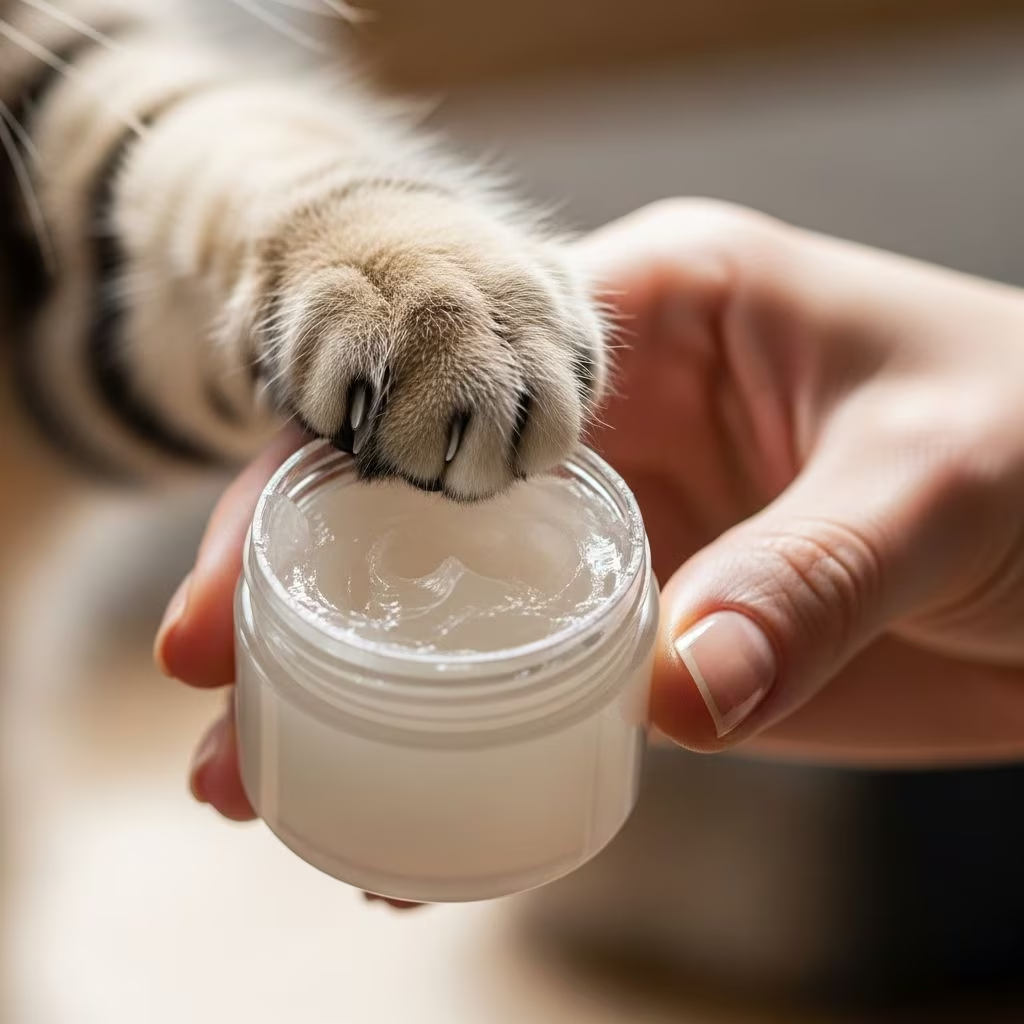
Vaseline, a petroleum jelly made from mineral oils and waxes, acts as a moisture barrier to soothe dry or cracked skin in humans and pets alike. For cats, it is safe when applied externally to paw pads, helping to moisturize and protect sensitive areas without toxicity concerns for small incidental ingestions.
Is Vaseline Safe for Cats?
Original, pure Vaseline is considered safe for topical use on cats, including paws, noses, and minor skin irritations. It forms a protective layer that locks in moisture, aiding the healing of dry, cracked paw pads common in cats due to environmental factors, allergies, or frequent litter box use.
Cats’ paws are sensitive and exposed to rough surfaces, litter, and chemicals, leading to dryness or cracking. Vaseline’s occlusive properties prevent transepidermal water loss, supporting the skin barrier’s natural repair process. Unlike flavored or additive versions, plain medical-grade Vaseline passes harmlessly through a cat’s digestive tract if licked in small amounts, making it a practical choice for grooming-prone felines.
However, Vaseline offers no nutritional value and should never be fed intentionally. Large ingestions could cause mild gastrointestinal upset, though this is rare with proper application.
How to Apply Vaseline to Cat Paws
Applying Vaseline requires a gentle, minimal approach to avoid stressing your cat or encouraging excessive licking:
- Prepare your cat: Use distractions like a lick mat with treats or have a helper pet and soothe the cat during application.
- Use sparingly: Massage a thin layer—pea-sized amount per paw—into the pads and surrounding skin. Avoid globs, as cats may shake it off, spreading it around your home.
- Monitor behavior: If your cat flicks or licks paws immediately, reduce the amount or use an Elizabethan collar (e-collar) temporarily to prevent ingestion.
- Reapply as needed: Twice daily for dry paws, but discontinue once healing begins to avoid dependency on the barrier.
Cats with sensitive paws may resist handling, so start with short sessions and pair with positive reinforcement. Always wash your hands before and after to prevent spreading any irritants.
When to Use Vaseline on Cat Paws
Vaseline is ideal for mild dryness or superficial cracks but not a substitute for veterinary care. Use it when paws appear rough, flaky, or mildly split from winter dryness, hot pavements, or abrasive litters. It supports healing by keeping the area hydrated and protected from further irritation.
For hairballs, a small internal dose (quarter teaspoon twice daily for 3 days) can lubricate the gut, but this is separate from paw application and requires vet approval.
Risks and Precautions
While safe externally, precautions ensure optimal use:
- Licking: Small amounts are non-toxic, but habitual licking warrants alternatives or collars.
- Infected wounds: Never apply over open, pus-filled, or deep cuts—clean and consult a vet first to avoid trapping bacteria.
- Allergies or additives: Stick to pure Vaseline; avoid scented versions that could irritate.
- Overuse: Prolonged use without addressing root causes (e.g., allergies) may mask issues.
If paws worsen or show signs of infection like swelling, redness, or odor, seek professional help immediately.
Signs Your Cat’s Paws Need Attention
Monitor for these indicators of paw problems, prompting Vaseline use or vet visits:
- Limping or reduced walking/running.
- Avoiding jumps to favorite spots.
- Excessive paw licking or chewing.
- Refusal to cover waste in litter box.
- Decreased grooming elsewhere, focusing on paws.
- Yowling or pulling away when paws are touched.
These symptoms suggest pain from cracks, irritants, or underlying conditions like allergies or infections.
Alternatives to Vaseline for Cat Paws
If Vaseline isn’t suitable, consider these vet-recommended options:
| Alternative | Benefits | Application Notes |
|---|---|---|
| Coconut Oil | Moisturizes, antimicrobial; safe externally and in small internal doses. | Thin layer; cats may lick without issue. |
| Fish Oil Supplements | Omega-3s reduce inflammation, support skin health. | Oral supplement; consult vet for dosage. |
| Cat-Specific Paw Moisturizers | Formulated for felines, non-toxic if licked. | Ask vet for brands like Musher’s Secret. |
| Aloe Vera (pure) | Soothes irritation; avoid gels with additives. | Test small area first. |
Never use essential oils, as they are toxic to cats. Environmental changes like pet-safe cleaners and indoor confinement prevent irritants.
Preventing Dry Cat Paws
Proactive steps reduce paw issues:
- Switch to softer, dust-free litters.
- Use pet-safe floor cleaners.
- Trim paw fur to prevent matting.
- Provide omega-rich diet for skin health.
- Keep paws clean after outdoor exposure.
Regular checks during grooming catch problems early.
Frequently Asked Questions (FAQs)
What happens if my cat licks Vaseline off its paws?
Small amounts are non-toxic and pass through the digestive system harmlessly, but limit application and use collars if persistent.
Can I use Vaseline on my cat’s nose or other areas?
Yes, for dry noses or minor wounds, applying the same thin layer externally.
How long should I use Vaseline on cracked paws?
Until improvement (1-3 days typically), then transition to preventives; vet check if no change in 48 hours.
Is coconut oil better than Vaseline for cat paws?
It offers similar moisturizing with added antimicrobial benefits and is lick-safe, but Vaseline excels at barrier protection.
When should I take my cat to the vet for paw issues?
If limping, infection signs, or no improvement after home care.
Dry, cracked paws cause discomfort but respond well to simple interventions like Vaseline. Always prioritize vet advice for persistent problems to ensure your cat’s paws—and overall health—stay paw-some.
References
- Can I Put Vaseline on My Cat’s Paws? Our Vet Discusses Safety — Hepper. 2023. https://articles.hepper.com/vaseline-on-cats-paws-vet-answer/
- Is Vaseline Safe for Cat Paws? Vet Reviewed Facts & FAQ — Catster. 2023. https://www.catster.com/cat-health-care/is-vaseline-safe-for-cat-paws/
- Is Vaseline Safe for Dogs and Cats? What Pet Owners Should Know — Veterinary Secrets. 2023. https://veterinarysecrets.com/vaseline-safe-for-pets/



