

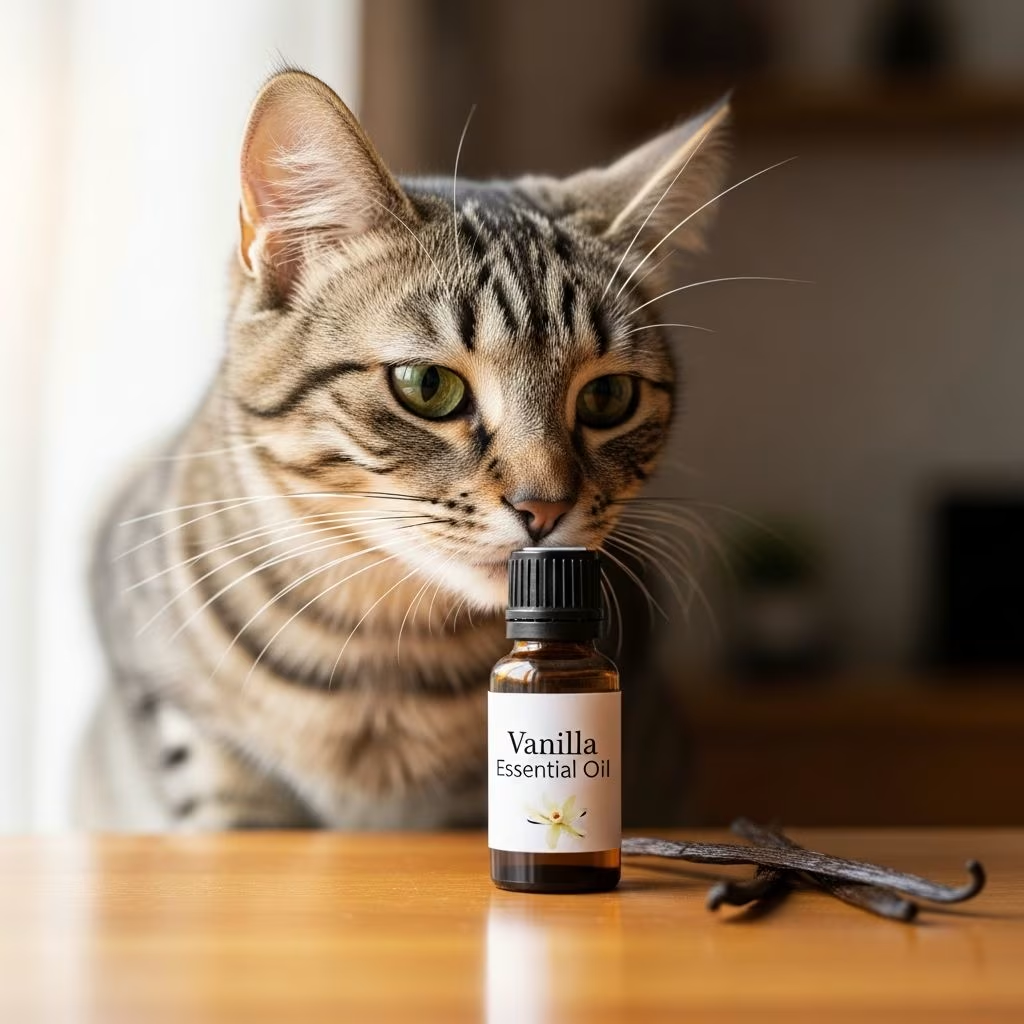
Vanilla essential oil is generally considered safe for cats when used properly, primarily due to its low phenol content compared to other essential oils that pose significant risks to felines. Cats lack certain liver enzymes needed to metabolize many essential oils effectively, making them vulnerable to toxicity from concentrated plant extracts. This article examines vanilla’s safety profile, dangerous alternatives, usage guidelines, and symptoms of poisoning to help cat owners use aromatherapy responsibly.
What Is Vanilla Essential Oil?
Vanilla essential oil, often referred to as oleoresin or absolute rather than a true distillate, is derived from the pods of the vanilla orchid plant (Vanilla planifolia). It features a warm, sweet aroma prized in aromatherapy, baking, and perfumes. Unlike steam-distilled oils, vanilla products are typically solvent-extracted absolutes, providing a rich scent without high concentrations of volatile compounds harmful to pets.
The oil’s primary components include vanillin, a phenolic aldehyde responsible for its characteristic smell, but in notably low phenol levels that reduce toxicity risks for cats. Historically, vanilla’s discovery traces back to indigenous Mesoamerican peoples, with modern cultivation centered in Madagascar, Mexico, and Tahiti. While humans enjoy its calming effects, cat owners must consider feline physiology before diffusing it at home.
Why Are Cats Sensitive to Essential Oils?
Cats possess over 200 million olfactory receptors, making their sense of smell 14-16 times more acute than humans’ roughly 5 million. A single drop of oil perceived as mild by owners can overwhelm a cat, equivalent to 15 drops for them. More critically, cats are obligate carnivores deficient in glucuronyl transferase enzymes in their livers, impairing breakdown of phenols, terpenes, and other compounds prevalent in essential oils.
This metabolic limitation heightens risks from inhalation, ingestion via grooming, or skin contact. Even diluted oils in diffusers can lead to respiratory irritation or systemic absorption if cats walk through residue and lick their paws. Veterinary toxicologists emphasize that concentration matters: 100% pure oils pose the greatest danger.
Is Vanilla Essential Oil Safe for Cats?
Yes, vanilla essential oil stands out as one of the safer options for cats due to its minimal phenol content, which avoids the harsh effects seen in many other oils. Sources like veterinary hospitals note it alongside lavender and frankincense as lower-risk choices, provided use is indirect and monitored. However, “safe” does not mean risk-free—always prioritize dilution, ventilation, and observation.
- Diffusion: Safe in well-ventilated rooms with escape routes for cats.
- Topical Use: Avoid direct application; low phenols reduce danger, but ingestion risk remains if groomed.
- Ingestion: Non-toxic in trace amounts, but never intentional.
Commercial vanilla products may include additives; opt for pure, pet-safe formulations from reputable sources.
Do Cats Like the Smell of Vanilla?
Cats’ preferences vary, but their heightened smell makes strong scents like vanilla potentially overwhelming rather than appealing. Unlike dogs drawn to food aromas, cats favor prey-like scents such as catnip or tuna. Observe reactions: closed eyes, twitching nose, or retreat indicate discomfort.
To test, uncap the bottle near your cat in a quiet space. Positive signs include relaxed demeanor; avoidance suggests removal. Even safe scents should not dominate the environment, as chronic exposure can stress sensitive felines.
Dangerous Essential Oils to Avoid Around Cats
Many essential oils contain high phenols, monoterpenes, or ketones toxic to cats, causing everything from drooling to organ failure. Avoid these entirely:
| Oil | Toxicity Risks | Source |
|---|---|---|
| Tea Tree | Nervous system damage, liver toxicity | |
| Eucalyptus | Vomiting, diarrhea, respiratory distress | |
| Peppermint | Gastrointestinal upset, CNS issues | |
| Cinnamon | Skin burns, ingestion poisoning | |
| Citrus (Lemon, Orange) | Liver/kidney strain | |
| Pine/Wintergreen | Ataxia, seizures | |
| Ylang Ylang | Depression, hypothermia |
Phenols in these oils disrupt feline metabolism, leading to rapid poisoning even from diffused vapors.
Symptoms of Essential Oil Poisoning in Cats
Monitor for these signs after exposure, acting swiftly as symptoms escalate quickly:
- Mild: Excessive salivation, pawing at mouth, coughing, sneezing.
- Moderate: Vomiting, diarrhea, lethargy, wobbling (ataxia).
- Severe: Difficulty breathing, tremors, seizures, coma.
- Other: Chemical burns on skin/fur, loss of appetite, behavioral changes.
If suspected, move to fresh air, rinse affected areas with mild soap/water, and contact a vet or poison hotline immediately. Do not induce vomiting without professional guidance.
How to Use Vanilla Essential Oil Safely Around Cats
Follow these vet-recommended protocols for risk minimization:
- Dilute heavily: 1-2 drops in a large diffuser with carrier like water.
- Diffuse 15-30 minutes max, in open areas with cat access to exit.
- Place diffusers high or in cat-free zones.
- Never apply topically without vet dilution approval.
- Monitor behavior; stop if distress shown.
Clean spills promptly to prevent grooming ingestion.
Alternatives to Essential Oils for Cat-Friendly Scents
Opt for non-toxic options to freshen homes without risks:
- Catnip/Catmint: Natural stimulants, safe in moderation.
- Baking Soda/Activated Charcoal: Odor absorbers, fragrance-free.
- Diluted Vinegar: Neutralizes smells effectively.
- Pet-Safe Sprays: From trusted brands using natural, non-oil bases.
Ventilation and cleaning outperform scents for pet health.
Frequently Asked Questions (FAQs)
Is vanilla essential oil toxic to cats?
No, its low phenol content makes it generally safe for diffusion, unlike high-phenol oils.
Can I diffuse vanilla oil with my cat in the room?
Yes, briefly in ventilated spaces with monitoring and escape options.
What if my cat licks vanilla oil?
Trace amounts are low-risk, but watch for symptoms and consult a vet.
Which essential oils are safe for cats?
Few; vanilla, diluted lavender, frankincense are lower-risk but use cautiously.
What to do if my cat shows poisoning symptoms?
Fresh air, rinse if topical, seek vet care urgently.
References
- Is Vanilla Essential Oil Safe For Cats? — VINEVIDA. 2023. https://www.vinevida.com/blogs/our-blog/is-vanilla-essential-oil-safe-for-cats
- Which Fragrances are Harmful to My Cat? — Lolahemp. 2024. https://lolahemp.com/blogs/cat-health/which-scents-are-safe-for-cats
- Safety alert! The dangers of essential oils and pets — BC SPCA. 2023-05-01. https://spca.bc.ca/news/aromatherapy-pets/
- The Essentials of Essential Oils Around Pets — ASPCA. 2023. https://www.aspca.org/news/essentials-essential-oils-around-pets
- Essential Oils Toxic to Pets — Live Oak Companion Animal Hospital. 2019-08-01. https://liveoakvet.com/2019/08/01/essential-oils-toxic-pets/
- Essential Oils and Cats — Pet Poison Helpline. 2023. https://www.petpoisonhelpline.com/uncategorized/essential-oils-cats/



