

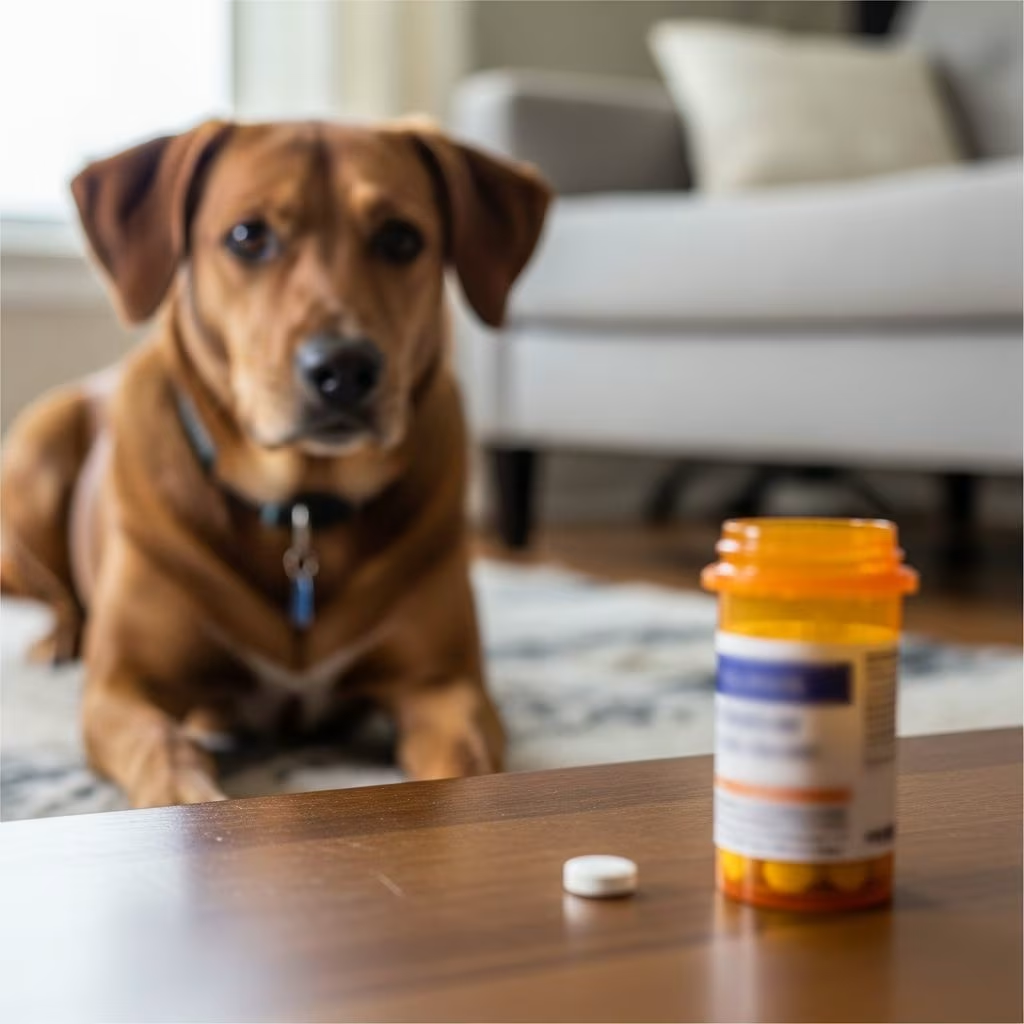
Tylenol, known scientifically as acetaminophen, is a widely used human medication for pain and fever reduction, but it is generally unsafe for dogs due to their unique metabolic processes. Veterinary experts strongly advise against administering it without professional guidance, as even small doses can lead to severe health complications.
Understanding Acetaminophen and Canine Physiology
Dogs metabolize acetaminophen differently from humans, lacking sufficient liver enzymes to break it down efficiently. This results in the accumulation of toxic metabolites that damage the liver and impair red blood cells’ ability to transport oxygen, a condition called methemoglobinemia. The U.S. Food and Drug Administration (FDA) has not approved acetaminophen for veterinary use, classifying it as an off-label drug with a narrow therapeutic window—meaning the line between effective and harmful doses is perilously thin.
Human medications like Tylenol often contain additional ingredients, such as caffeine or aspirin in combination products, which exacerbate risks for pets. Well-meaning owners sometimes reach for these cabinet staples during a dog’s discomfort, unaware of the potential for rapid toxicity.
Primary Dangers of Tylenol in Canines
The administration of Tylenol to dogs can trigger a cascade of life-threatening issues. Key dangers include:
- Liver Failure: Overwhelmed hepatic pathways lead to hepatocyte destruction, potentially progressing to acute liver failure within hours to days.
- Methemoglobinemia: This blood disorder oxidizes hemoglobin, turning it a chocolate-brown color and drastically reducing oxygen delivery to tissues, causing cyanosis (blue gums).
- Kidney Damage: Secondary effects from dehydration and toxin buildup can impair renal function, leading to elevated creatinine levels and possible acute kidney injury.
- Gastrointestinal Distress: Vomiting, diarrhea, and appetite loss are early indicators as the body attempts to expel the toxin.
These effects stem from dogs’ limited glucuronyl transferase enzyme activity, which humans rely on for safe acetaminophen detoxification. Even a single regular-strength tablet (325 mg) can poison a small dog.
Recognizing Symptoms of Toxicity
Early detection is crucial for survival. Toxicity signs typically appear within 1-4 hours of ingestion and escalate quickly. Watch for:
- Vomiting or retching
- Lethargy and weakness
- Rapid or labored breathing
- Pale or blue-tinged gums
- Dark urine or jaundice (yellowing of skin/eyes)
- Swollen face or paws from fluid buildup
Diagnosis relies heavily on owner history, as symptoms mimic other conditions like parvovirus or heatstroke. Blood tests reveal elevated liver enzymes (ALT, AST), methemoglobin levels above 10%, and Heinz bodies in red cells. If ingestion is suspected, do not wait for symptoms—seek immediate veterinary care.
Rare Veterinary Uses and Strict Protocols
While veterinarians rarely prescribe Tylenol, it may be used off-label in specific scenarios, such as short-term management of severe osteoarthritis pain in larger dogs when other options fail. Doses are meticulously calculated, typically 10-15 mg/kg every 12 hours, never exceeding 30 mg/kg, and always paired with monitoring.
| Factor | Veterinary Considerations |
|---|---|
| Safety Margin | Low; requires bloodwork before and after |
| Indications | Severe pain unresponsive to NSAIDs |
| Monitoring | Liver function tests, clinical exams |
| Contraindications | Liver disease, anemia, small breeds |
Owners must use plain acetaminophen only—no extended-release or multi-ingredient formulas. Even prescribed use demands follow-up visits.
Safe Alternatives for Managing Dog Pain
Veterinarians prioritize FDA-approved medications tailored for canines. Common options include:
- Non-Steroidal Anti-Inflammatory Drugs (NSAIDs): Carprofen (Rimadyl), meloxicam (Metacam), and deracoxib (Deramaxx) reduce pain and inflammation with proven safety profiles when dosed correctly.
- Opioids: Tramadol or codeine for post-surgical or cancer pain, under strict control.
- Gabapentin: Effective for neuropathic pain and as an adjunct.
- Joint Supplements: Glucosamine, chondroitin, and omega-3s for chronic conditions like arthritis.
Non-pharmacologic approaches—acupuncture, laser therapy, weight management, and physical therapy—offer holistic relief without toxicity risks. Always consult a vet before starting any regimen, as underlying conditions like gastrointestinal ulcers contraindicate certain drugs.
Emergency Response to Suspected Ingestion
Time is critical in Tylenol poisoning. Steps include:
- Prevent further access to the medication.
- Contact your veterinarian or an animal poison hotline (e.g., ASPCA at 888-426-4435) immediately—do not induce vomiting without guidance.
- Transport to an emergency clinic for decontamination (activated charcoal), IV fluids, antioxidants like N-acetylcysteine (NAC), and supportive care.
- Follow-up with serial blood tests to monitor organ function.
Prognosis improves with treatment within 8 hours; delays raise mortality risks.
Preventing Medication Mishaps at Home
Pet-proof your medicine cabinet: store human drugs out of reach, use childproof locks, and educate family members. During travel or guests, keep purses and bags elevated. Recognize breed sensitivities—small dogs like Chihuahuas face higher risks per body weight.
Annual vet checkups help preempt pain issues, allowing proactive plans. Pet insurance can offset costs of approved treatments, encouraging timely care over risky home remedies.
Common Myths About Human Meds for Pets
Myth 1: “A little Tylenol won’t hurt.” Reality: Even sub-toxic doses stress the liver.
Myth 2: “It’s just like baby aspirin.” Reality: Aspirin also carries risks like ulcers; vet-specific versions exist.
Myth 3: “My dog took it before and was fine.” Reality: Cumulative damage may not show immediately.
Frequently Asked Questions
What if my dog accidentally eats Tylenol?
Treat as an emergency: call your vet or poison control right away. Provide details on amount, time, and dog’s weight for precise advice.
Are there any dog-safe versions of Tylenol?
No direct equivalent; vets use canine NSAIDs like Rimadyl, which are safer and more effective for inflammation.
How much Tylenol is toxic to a 20-lb dog?
As little as 100-200 mg (one adult tablet) can initiate toxicity; smaller breeds are at greater risk.
Can Tylenol help with my dog’s arthritis?
Not recommended; safer options like prescription NSAIDs or supplements target joint inflammation better.
Is Tylenol PM safe for dogs?
No—the diphenhydramine adds sedation risks, compounding acetaminophen toxicity.
Responsible pet ownership means prioritizing evidence-based care. By avoiding human medications and partnering with veterinarians, you safeguard your dog’s health and vitality.
References
- Can You Give a Dog Tylenol? — PetMD. 2023-10-15. https://www.petmd.com/dog/care/can-you-give-dog-tylenol
- Acetaminophen (Tylenol) Poisoning Alert for Dogs and Cats — VCA Animal Hospitals. 2024-05-20. https://vcahospitals.com/know-your-pet/acetaminophen-tylenol-poisoning-alert-for-dogs-and-cats
- Get the Facts about Pain Relievers for Pets — U.S. Food and Drug Administration (FDA). 2023-11-08. https://www.fda.gov/animal-veterinary/animal-health-literacy/get-facts-about-pain-relievers-pets
- Acetaminophen (Tylenol) Poisoning Alert for Dogs and Cats — Clarksville Animal Hospital. 2024-02-12. https://www.clarksvilleanimalhospital.com/acetaminophen-tylenol-poisoning-alert-for-dogs-and-cats
- Tylenol for Dogs — WagWalking. 2023-07-19. https://wagwalking.com/treatment/tylenol



