

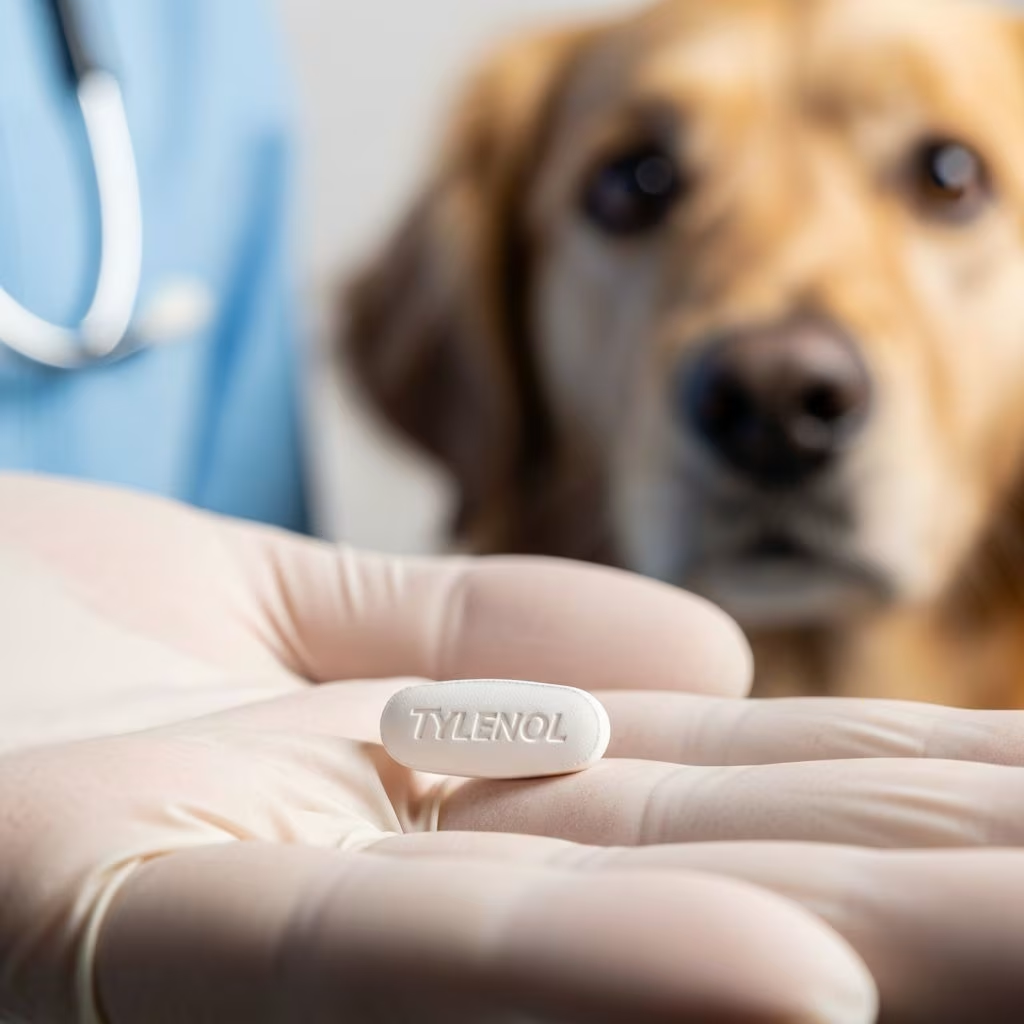
Acetaminophen, the active ingredient in Tylenol, is a common human pain reliever but poses significant risks to dogs. Veterinary experts unanimously advise against giving it to pets due to potential liver damage and impaired oxygen transport in the blood.
Understanding the Risks of Acetaminophen in Canines
Dogs metabolize acetaminophen differently from humans, lacking sufficient enzymes to safely break it down. This leads to the accumulation of toxic metabolites that harm the liver and red blood cells. Even small doses can overwhelm their system, especially in smaller breeds or those with pre-existing conditions.
The U.S. Food and Drug Administration (FDA) highlights two primary toxicities: dose-dependent liver damage that may progress to failure, and red blood cell damage causing methemoglobinemia, where hemoglobin cannot carry oxygen effectively. Dogs are particularly susceptible to liver issues, while cats face greater red blood cell risks.
Why Human Painkillers Fail Pets
Over-the-counter medications like Tylenol, ibuprofen, and aspirin are formulated for human physiology. Dogs process these drugs through liver pathways that can become saturated quickly, producing harmful byproducts. Vets rarely prescribe acetaminophen because safer veterinary options exist with wider safety margins.
- Different metabolism: Dogs lack key enzymes humans use for safe processing.
- Narrow therapeutic window: The gap between effective and toxic doses is minimal.
- No anti-inflammatory benefits: Unlike NSAIDs, it doesn’t reduce swelling.
Symptoms of Tylenol Poisoning in Dogs
Toxicity symptoms can appear within hours. Early detection is critical for survival. Common signs include:
- Lethargy and weakness
- Facial or paw swelling
- Vomiting or excessive drooling
- Brown, blue, or discolored gums
- Rapid, labored breathing
- Jaundice (yellowing of eyes or skin)
- Collapse, seizures, or coma in severe cases
Smaller dogs face higher risks; a single 325 mg tablet can be toxic for those under 20 pounds. Pre-existing liver disease exacerbates dangers.
Emergency Response if Your Dog Ingests Tylenol
Treat any suspected ingestion as an emergency. Do not wait for symptoms. Contact your vet, an animal poison control center, or an emergency clinic immediately. Provide details on the amount ingested, your dog’s weight, and time of exposure.
Treatment may involve:
| Step | Action |
|---|---|
| 1. Decontamination | Induce vomiting if recent (under vet guidance); activated charcoal to bind toxins |
| 2. Supportive Care | IV fluids, blood transfusions for methemoglobinemia |
| 3. Antidotes | N-acetylcysteine to protect liver; oxygen therapy |
| 4. Monitoring | Liver function tests, blood work over 72 hours |
Prompt intervention can prevent permanent damage, though some cases result in lasting liver impairment or death if delayed.
Veterinary-Approved Pain Management for Dogs
Instead of human drugs, consult your vet for tailored options. Common safe alternatives include:
- Prescription NSAIDs: Carprofen (Rimadyl), meloxicam – effective for inflammation and pain.
- Gabapentin: For neuropathic pain, often used post-surgery.
- Tramadol: Opioid-like for moderate pain, under strict supervision.
- Joint supplements: Glucosamine, chondroitin for chronic issues like arthritis.
Non-drug approaches: Weight management, physical therapy, acupuncture, or laser therapy provide relief without medications.
Factors Influencing Toxicity Severity
Not all exposures are equal. Key variables include:
- Dose per body weight: Toxic threshold around 100 mg/kg; liver failure at higher levels.
- Dog size: Small breeds at greater risk.
- Formulation: Extra-strength or combo products (e.g., with codeine) worsen outcomes.
- Health status: Liver-compromised dogs process slower.
Preventing Accidental Exposure
Keep all medications secured. Common scenarios include dropped pills or access to medicine cabinets. Educate family members: No home remedies without vet approval.
- Store in high, locked cabinets.
- Dispose of unused meds safely.
- Use pill organizers out of reach.
FAQs on Tylenol and Dog Safety
Q: Can any amount of Tylenol be safe for dogs?
A: No, even small doses risk toxicity without veterinary oversight.
Q: Why do vets avoid prescribing Tylenol?
A: Low safety margin and lack of inflammation reduction; better options exist.
Q: What if my dog ate Tylenol hours ago?
A: Seek emergency care immediately; treatments like charcoal work best early.
Q: Are there dog-specific versions of acetaminophen?
A: No FDA-approved acetaminophen products for dogs; use vet prescriptions only.
Q: How common is Tylenol poisoning?
A: Frequently tops ASPCA poison lists due to household accessibility.
Long-Term Effects and Recovery
Survivors may face chronic liver issues requiring lifelong monitoring. Regular bloodwork tracks enzyme levels. Nutritional support aids regeneration. Most recover fully with aggressive treatment.
Comparing Common Human Meds for Dogs
| Medication | Safe for Dogs? | Risks |
|---|---|---|
| Tylenol (Acetaminophen) | No | Liver failure, methemoglobinemia |
| Ibuprofen (Advil) | No | Stomach ulcers, kidney failure |
| Aspirin | Rarely, vet-dosed | GI bleeding |
| Vet NSAIDs (e.g., Rimadyl) | Yes, prescribed | Monitored for GI/liver effects |
Always prioritize professional guidance over OTC solutions.
References
- Can You Give a Dog Tylenol? — PetMD, Monica Tarantino, DVM. 2023. https://www.petmd.com/dog/care/can-you-give-dog-tylenol
- Your Dog Ate Tylenol: Is This an Emergency? — Apex Vets. 2023. https://apex.vet/blog/dog-ate-tylenol/
- Get the Facts about Pain Relievers for Pets — U.S. Food and Drug Administration (FDA). 2022-10-31. https://www.fda.gov/animal-veterinary/animal-health-literacy/get-facts-about-pain-relievers-pets
- Acetaminophen (Tylenol) Poisoning Alert for Dogs and Cats — VCA Animal Hospitals. 2023. https://vcahospitals.com/know-your-pet/acetaminophen-tylenol-poisoning-alert-for-dogs-and-cats
- Acetaminophen — American College of Veterinary Pharmacists. 2023. https://vetmeds.org/pet-poison-control-list/acetaminophen/



