

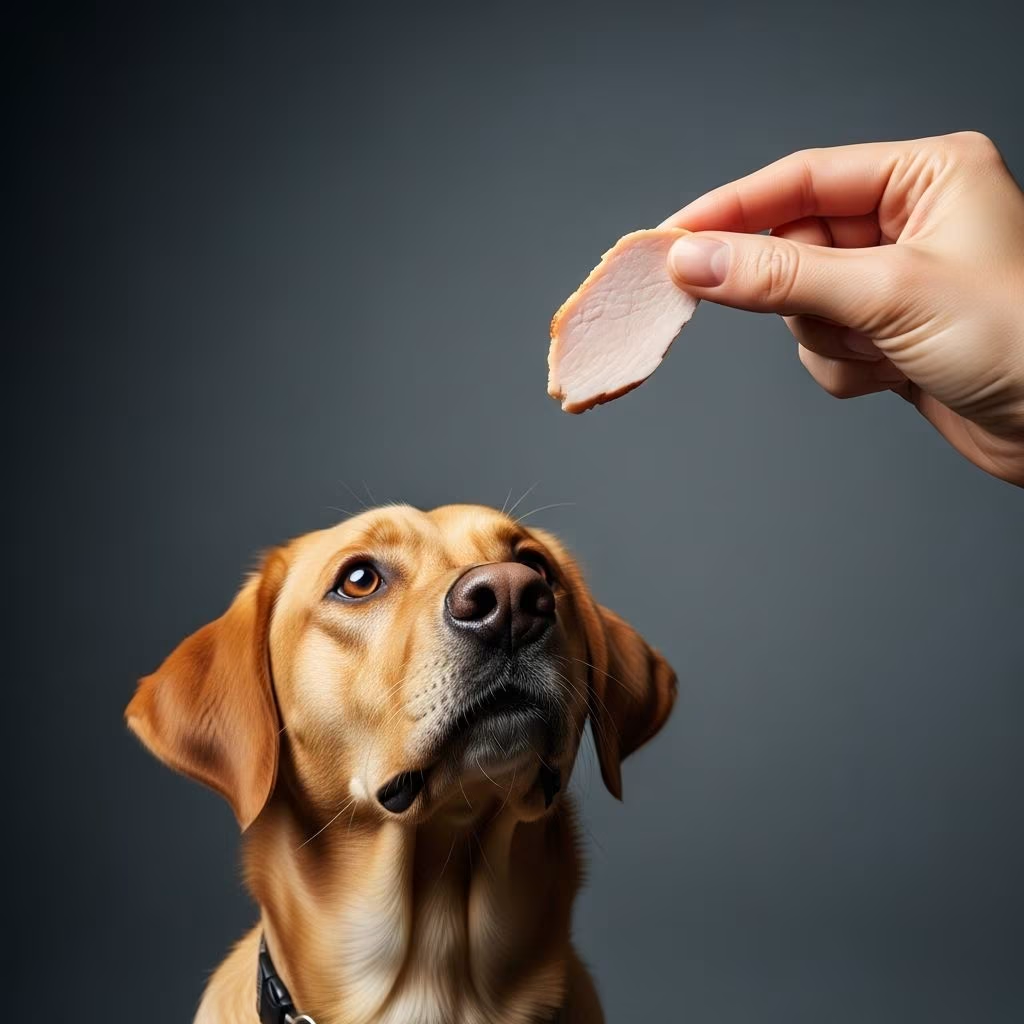
Turkey provides a lean source of protein that many dogs can safely consume when prepared correctly, making it a popular treat option especially around holidays. However, safety hinges on removing bones, skin, and seasonings while limiting portions to avoid digestive upset or weight gain.
Nutritional Advantages of Turkey in a Dog’s Diet
Turkey meat stands out as a high-quality protein source, delivering essential amino acids vital for muscle maintenance and overall vitality in dogs. It also supplies key nutrients like riboflavin for energy metabolism, phosphorus for bone health, and selenium as an antioxidant. Lean cuts, such as breast meat, contain minimal fat—around 3% of a dog’s recommended daily allowance—making them suitable even for pups with sensitive stomachs or weight management needs.
In commercial dog foods, turkey frequently appears as a primary ingredient due to its digestibility and palatability, enhancing meal appeal without compromising nutrition. For homemade diets, it can supplement under veterinary guidance, but it should never replace a balanced kibble or wet food formula.
Recommended Preparation Methods for Safe Feeding
To ensure turkey is dog-friendly, always cook it thoroughly to an internal temperature of at least 165°F (74°C), eliminating risks from bacteria like Salmonella. Opt for plain boiling, baking, or grilling without oils, butter, salts, or herbs, as these additives can irritate the gastrointestinal tract or trigger pancreatitis from excess fat.
- Preferred cuts: Breast or ground turkey for low fat and easy digestion.
- Portion control: Restrict to 10% of daily calories to prevent nutritional imbalances.
- Storage tips: Cool completely before serving; refrigerate leftovers promptly.
Ground turkey, when lean and unseasoned, offers minerals like potassium and niacin, blending well into meals for picky eaters.
Specific Turkey Parts and Their Suitability
| Turkey Part | Safe for Dogs? | Reasons and Tips |
|---|---|---|
| Breast Meat | Yes | Low-fat white meat; highly digestible and protein-rich. Ideal for all dogs. |
| Ground Turkey | Yes, if lean | Nutrient-dense with minerals; cook thoroughly without additives. |
| Skin | No | High fat content risks pancreatitis; discard entirely. |
| Bones | No | Splinter easily, causing choking, tears, or blockages. |
| Wings/Drumsticks (meat only) | Yes, boneless | Darker meat has more iron; remove all bones first. |
Risks of Raw Turkey and Bacterial Concerns
Raw turkey poses significant dangers due to pathogens such as Salmonella and E. coli, which can cause vomiting, diarrhea, and severe infections in dogs—and potentially spread to humans. The Centers for Disease Control advises against raw pet foods, emphasizing thorough cooking to mitigate these threats. Even healthy dogs may suffer gastrointestinal distress, while puppies, seniors, or immunocompromised pets face higher risks.
Processed Turkey Products: Proceed with Caution
Items like turkey bacon, hot dogs, sausages, or deli slices often contain excessive sodium, nitrates, preservatives, and spices harmful to dogs. High salt levels can lead to thirst, hypertension, or salt toxicity, while fats promote diarrhea and obesity. If offering sparingly, choose low-sodium varieties and limit to tiny amounts within the 10% treat rule.
- Turkey bacon/sausage: Avoid due to garlic/onion seasonings (toxic).
- Deli meat: Minimal portions only; watch for additives.
- Smoked turkey: High sodium; not recommended.
Portion Guidelines Based on Dog Size
Tailor turkey treats to your dog’s weight and activity level to maintain balance. Overfeeding disrupts nutrient intake and risks obesity, diabetes, or joint strain.
| Dog Size | Weight Range | Daily Turkey Limit (as treat) |
|---|---|---|
| Small | Under 20 lbs | 1-2 oz max |
| Medium | 20-50 lbs | 2-4 oz max |
| Large | 50-100 lbs | 4-6 oz max |
| Giant | Over 100 lbs | 6-8 oz max |
Consult a vet for personalized advice, especially for dogs with allergies, diabetes, or digestive issues.
Turkey as an Alternative for Chicken-Sensitive Dogs
For pups allergic to chicken, turkey serves as a hypoallergenic substitute, providing similar protein benefits without common triggers. Its inclusion in allergy formulas highlights this versatility. Monitor for any adverse reactions when introducing it gradually.
Holiday Feeding Strategies and Precautions
Thanksgiving or Christmas feasts tempt begging, but keep countertops clear of bones and rich gravies. Offer pre-portioned plain turkey post-meal as a reward, distracting from fatty scraps. Symptoms like lethargy, vomiting, or bloody stool warrant immediate vet attention.
Integrating Turkey into Homemade or Commercial Diets
In homemade recipes, combine turkey with veggies like carrots or rice for balance, always vet-approved. Many kibbles and cans feature turkey for its moisture (broth) and iron-rich organs like liver. Transition slowly over 7-10 days to avoid tummy troubles.
Frequently Asked Questions
Can puppies eat turkey?
Yes, in small, boneless amounts; their developing systems handle lean protein well but avoid raw or seasoned varieties.
Is turkey liver safe for dogs?
Yes, cooked turkey liver boosts iron and protein; limit to prevent vitamin A excess.
What if my dog ate turkey bones?
Seek emergency care; splinters risk perforation or obstruction.
How often can dogs have turkey treats?
Occasionally, within 10% caloric limit; daily if part of balanced commercial food.
Does turkey cause allergies in dogs?
Rarely; it’s often used in hypoallergenic diets, but watch for itching or ear issues.
Monitoring Your Dog After Turkey Treats
Observe for 24-48 hours post-feeding: normal stools and energy indicate tolerance. Mild upset may resolve; persistent issues need professional evaluation. Annual check-ups ensure dietary tweaks align with health needs.
References
- Can Dogs Eat Turkey? A Guide to Safety — Purina US. 2023. https://www.purina.com/articles/dog/feeding/can-dogs-eat/turkey
- Can Dogs Eat Turkey? Is Turkey Safe For Dogs? — Spot & Tango. 2023. https://www.spotandtango.com/blog/can-dogs-eat-turkey
- Can Dogs Eat Turkey? — Boulder Veterinary Hospital. 2023. https://bouldervet.com/blog/can-dogs-eat-turkey/
- Can Dogs Eat Turkey? — American Kennel Club (AKC). 2023-11-24. https://www.akc.org/expert-advice/nutrition/can-dogs-eat-turkey/
- Can Dogs Eat Turkey? — Taste of the Wild Pet Food. 2023. https://www.tasteofthewildpetfood.com/articles/can-my-dog-eat-that/turkey/
- Can Dogs Eat Turkey? — VEG ER for Pets. 2023. https://www.veg.com/post/can-dogs-eat-turkey
- Can Dogs Eat Turkey? Benefits and Safety — Nature’s Logic. 2023. https://natureslogic.com/blog/can-dogs-eat-turkey/



