

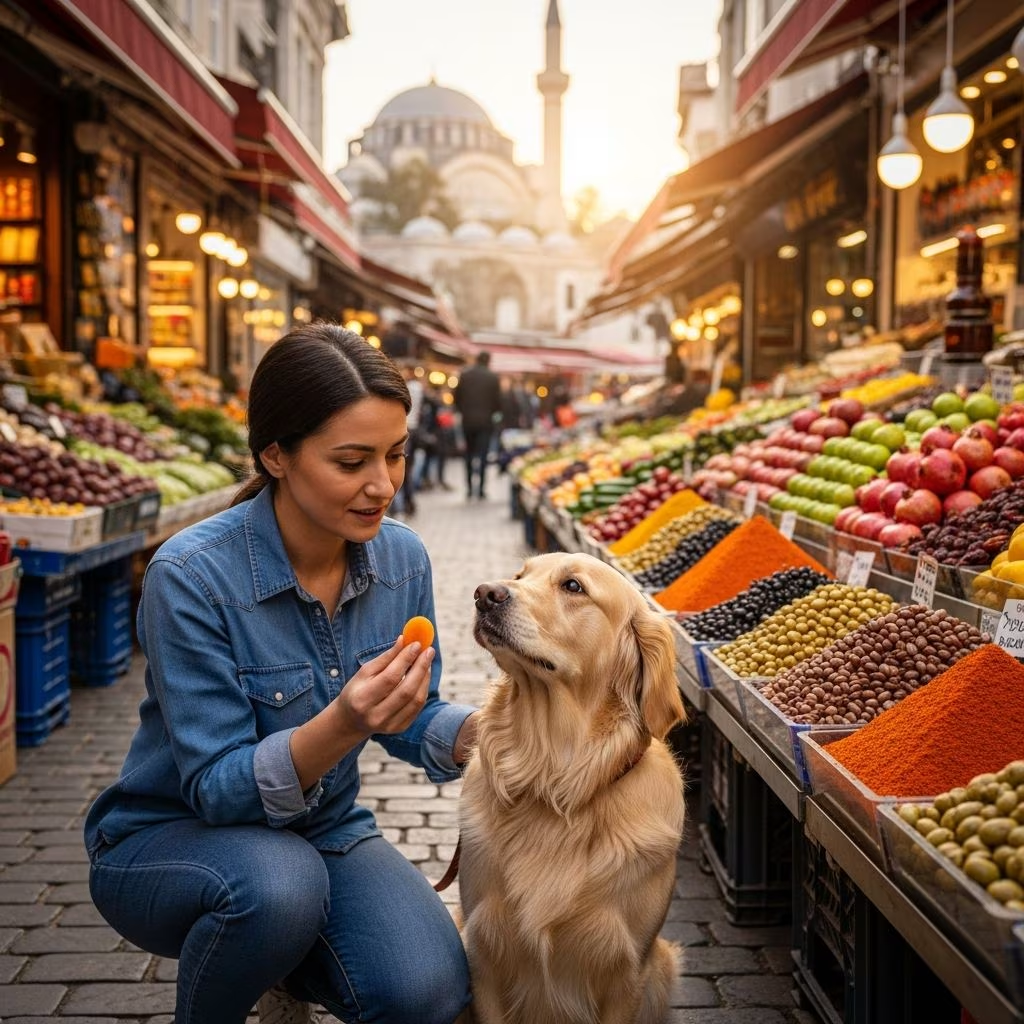
Plain, cooked turkey meat can be a healthy treat for dogs, providing high-quality protein and essential nutrients when offered in small amounts without skin, bones, or seasonings.
Nutritional Advantages of Turkey in a Dog’s Diet
Turkey stands out as a lean protein source that supports muscle maintenance and overall vitality in dogs. Rich in amino acids, it aids tissue repair and growth, making it suitable even for pups with sensitivities to other meats like chicken or beef.
- High-Quality Protein: Essential for building strong muscles and repairing body tissues.
- Low Fat Content: Helps manage weight, ideal for overweight dogs or those on restricted diets.
- Vital Vitamins: Contains B vitamins such as B6, B12, and niacin, which boost energy metabolism and nervous system health.
- Minerals for Wellness: Provides selenium for antioxidant protection, zinc for immune support, phosphorus for bone health, and potassium for heart function.
- Omega-3 Fatty Acids: Promote glossy coats and healthy skin.
- Tryptophan Boost: Supports serotonin production, potentially aiding mood regulation.
These nutrients make turkey a valuable occasional addition, but it should never replace a balanced commercial dog food formulated to meet all dietary needs.
Safe Preparation Methods for Feeding Turkey to Dogs
To ensure safety, always cook turkey thoroughly to an internal temperature of at least 165°F (74°C), eliminating risks from bacteria. Remove all skin, fat trimmings, and bones before serving.
| Do’s | Don’ts |
|---|---|
| Cook plain without salt, spices, butter, or oils | Feed raw turkey due to Salmonella and E. coli risks |
| Shred or chop into small, manageable pieces | Include skin or fatty parts that cause pancreatitis |
| Limit to 10% of daily calories as a treat | Offer bones that splinter and cause choking or blockages |
| Introduce gradually to monitor digestion | Add seasonings like garlic, onions, or gravy, which are toxic |
Start with tiny portions to check for allergies or tummy upset, especially in dogs with pre-existing conditions like diabetes or pancreatitis. Consult a vet for personalized advice.
Forms of Turkey to Avoid Entirely
Not all turkey products suit dogs. Processed varieties pose significant health threats due to hidden dangers.
- Turkey Bacon, Hot Dogs, Sausages, or Deli Meats: Loaded with sodium, preservatives, nitrates, and spices that lead to vomiting, diarrhea, dehydration, and hypertension.
- Seasoned or Smoked Turkey: Contains toxic additives like garlic powder or excessive salt, irritating the gut or causing poisoning.
- Raw Turkey Necks or Ground Turkey: High bacterial contamination risk; opt for cooked alternatives if using necks for chewing.
- Turkey Skin and Drippings: Excess fat triggers acute pancreatitis, a painful inflammation of the pancreas.
Even lean ground turkey should be extra-lean (under 2.5g saturated fat per serving) and unseasoned if used in homemade meals.
Portion Guidelines by Dog Size and Activity Level
Moderation prevents nutritional imbalances and obesity. Treats, including turkey, should not exceed 10% of daily caloric intake.
| Dog Size | Weight Range | Weekly Turkey Amount (cooked, plain) |
|---|---|---|
| Small | Under 20 lbs | 1-2 oz total |
| Medium | 20-50 lbs | 2-4 oz total |
| Large | 50-100 lbs | 4-8 oz total |
| Giant | Over 100 lbs | 8-12 oz total |
Adjust based on activity: active dogs may handle slightly more, while seniors or less active ones need less. Pair with veggies like green beans for fiber if using in meals.
Common Risks and Emergency Symptoms
Improper turkey can lead to serious issues. Watch for these signs after feeding:
- Gastrointestinal Distress: Vomiting, diarrhea from fat or bacteria.
- Pancreatitis: Severe abdominal pain, lethargy, loss of appetite.
- Choking or Obstruction: From bone fragments; symptoms include gagging, drooling, inability to poop.
- Bacterial Infection: Fever, weakness from Salmonella exposure.
- Salt Toxicity: Tremors, seizures from processed meats.
If symptoms appear, withhold food, offer water, and contact a vet immediately. Prevention is key through proper prep.
Incorporating Turkey into Homemade Dog Meals
For dogs on fresh diets, turkey makes an excellent base protein. Balance with 50% meat, 25% veggies, 25% carbs, plus supplements for calcium and omega oils.
Sample Recipe: Turkey Veggie Mash (serves small dog, 1 meal)
- 3 oz cooked turkey breast, shredded
- 1/4 cup steamed carrots
- 1/4 cup brown rice
- 1 tsp fish oil
Blend lightly, cool, and serve. Always vet-formulate long-term homemade diets to avoid deficiencies.
Holiday Safety: Turkey and Thanksgiving Tips
Thanksgiving turkey tempts many dogs. Keep the bird elevated, guests informed, and trash secured. Offer a small plain piece as a reward, not table scraps. Freeze leftovers in portioned bags for future treats.
Turkey for Dogs with Special Needs
- Allergies: Hypoallergenic alternative to common proteins.
- Weight Loss: Low-cal, filling option.
- Seniors: Easy-to-digest protein supports joint health.
- Puppies: Fine in moderation post-weaning, finely chopped.
Pregnant or lactating dogs benefit from extra protein, but monitor portions.
Frequently Asked Questions
Can dogs eat turkey bones?
No, cooked bones splinter easily, causing mouth injuries, choking, or intestinal blockages. Raw necks carry bacteria risks.
Is raw turkey okay for dogs?
No, it harbors pathogens like Salmonella and E. coli, dangerous for dogs and humans via zoonotic spread.
How much turkey can I give my dog daily?
Limit to 10% of calories; e.g., 1-2 tablespoons for a 20-lb dog. Treat sparingly.
Can turkey cause pancreatitis in dogs?
Yes, fatty skin or drippings are prime triggers. Stick to lean meat only.
Is turkey better than chicken for dogs?
Similar nutritionally; turkey may suit allergy-prone dogs as a novel protein.
Expert Tips for Long-Term Turkey Feeding
Rotate proteins to prevent sensitivities. Source human-grade turkey without antibiotics. Track weight and stool quality post-introduction. Annual vet checkups ensure dietary harmony.
References
- Can Dogs Eat Turkey? A Guide to Safety — Purina US. 2023-11-15. https://www.purina.com/articles/dog/feeding/can-dogs-eat/turkey
- Can Dogs Eat Turkey? Benefits and Safety — Nature’s Logic. 2024-05-20. https://natureslogic.com/blog/can-dogs-eat-turkey/
- Can Dogs Eat Turkey? — PetMD. 2024-08-10. https://www.petmd.com/dog/nutrition/can-dogs-eat-turkey
- Can Dogs Eat Turkey? — Taste of the Wild Pet Food. 2023-10-01. https://www.tasteofthewildpetfood.com/articles/can-my-dog-eat-that/turkey/
- Can Dogs Eat Turkey? — American Kennel Club. 2024-02-14. https://www.akc.org/expert-advice/nutrition/can-dogs-eat-turkey/



