
Is Turkey Safe for Dogs?
Discover if dogs can safely enjoy turkey, learn preparation tips, health benefits, and risks to keep your pup healthy during holidays.
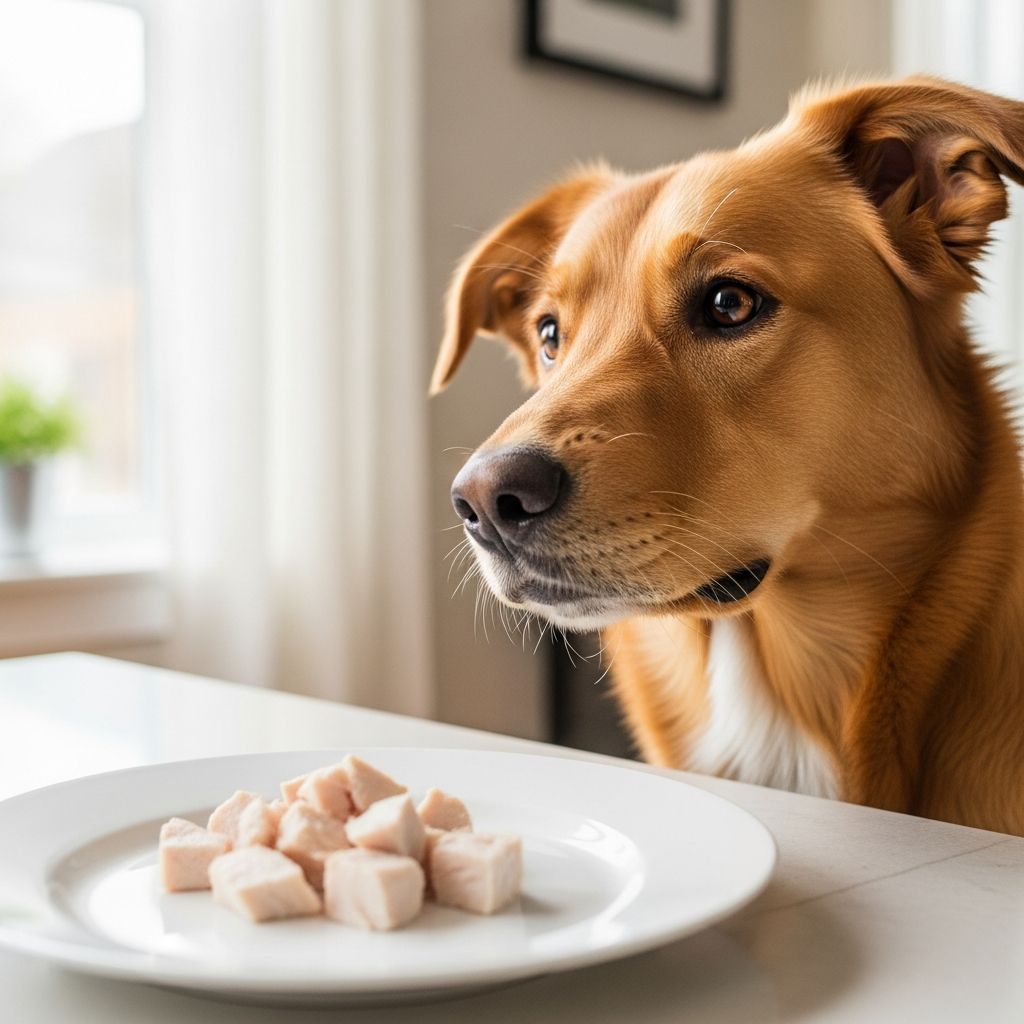
Turkey offers a lean source of protein that many dogs enjoy, making it a popular treat option, especially around holidays. When prepared correctly—plain, fully cooked, skinless, and boneless—it provides nutritional value without significant risks. However, improper preparation can lead to serious health problems, so understanding guidelines is essential for pet owners.
Nutritional Advantages of Turkey in a Dog’s Diet
Turkey stands out as a high-quality protein packed with essential nutrients that support canine health. It delivers complete proteins necessary for muscle maintenance, tissue repair, and overall growth. Key components include B vitamins such as B6, B12, and niacin, which aid in energy production and metabolic processes.
Additionally, turkey supplies minerals like selenium, an antioxidant that bolsters the immune system, zinc for skin health, phosphorus for bone strength, and potassium for heart function. The presence of omega-3 fatty acids promotes glossy coats and healthy skin, while tryptophan contributes to mood regulation through serotonin production. For dogs with allergies to common proteins like chicken or beef, turkey serves as a hypoallergenic alternative.
- High-quality protein: Builds and repairs body tissues.
- B vitamins: Support energy metabolism and nerve function.
- Selenium and zinc: Enhance immunity and skin integrity.
- Low fat content: Ideal for weight management.
- Tryptophan: Aids in serotonin production for better mood.
These benefits make turkey a valuable occasional addition, but it should never replace a balanced commercial dog food formulated to meet all nutritional needs.
Proper Preparation Methods for Safe Feeding
To ensure safety, always cook turkey thoroughly to an internal temperature of at least 165°F (74°C) to eliminate bacteria like Salmonella or E. coli. Serve only plain meat, removing all skin, fat trimmings, bones, and any seasonings. Cut into small, bite-sized pieces to prevent choking, particularly for smaller breeds.
| Do | Don’t |
|---|---|
| Fully cook plain turkey breast or ground meat | Feed raw turkey or undercooked portions |
| Remove skin, fat, and bones completely | Include gravy, butter, oils, or spices |
| Limit to 10% of daily calories | Offer large chunks that pose choking risks |
Ground turkey works well if selected lean varieties (93% lean or higher), providing about 2.5g of saturated fat per serving, which is safer than fattier options. Bake, boil, or grill without additives for the healthiest results.
Common Risks and Dangers to Avoid
While beneficial in moderation, certain turkey elements pose hazards. High-fat skin and drippings can trigger pancreatitis, an inflammation of the pancreas causing vomiting, diarrhea, and severe abdominal pain. Seasonings like garlic, onions, or excessive salt are toxic, potentially leading to gastrointestinal upset or hemolytic anemia.
Bones, whether cooked or raw, splinter easily, risking mouth injuries, intestinal blockages, or perforations. Processed forms such as turkey bacon, hot dogs, or deli meats contain high sodium, preservatives, and spices that upset digestion and contribute to obesity or hypertension. Raw turkey carries pathogens transmissible to humans and dogs alike, emphasizing the need for thorough cooking.
- Pancreatitis from fat: Symptoms include lethargy and refusal to eat.
- Bone splintering: Can cause internal bleeding or surgery needs.
- Toxic additives: Onions/garlic damage red blood cells.
- Processed meats: Excess salt leads to thirst and swelling.
Monitor for allergic reactions like itching or ear infections, especially with novel proteins, and discontinue if symptoms appear.
Turkey Necks and Alternative Cuts: What to Know
Turkey necks offer a chewy, protein-rich option when handled properly. Cooked necks provide glucosamine for joint health, but raw ones risk bacterial contamination. Supervise consumption to prevent gulping, and ensure they are from reputable sources free of additives.
Other cuts like dark meat contain more iron but slightly higher fat; opt for white meat for leaner profiles. Ground turkey suits picky eaters or soft-food needs, but always verify leanness to align with dietary goals.
Feeding Guidelines by Dog Size and Health Status
Portion control prevents nutritional imbalances or weight gain. Treats, including turkey, should not exceed 10% of daily caloric intake—roughly 10% of a complete diet.
| Dog Size | Weight (lbs) | Daily Calories (approx.) | Max Turkey per Day (oz) |
|---|---|---|---|
| Small | 10-20 | 400-600 | 0.5-1 |
| Medium | 20-50 | 600-1000 | 1-2 |
| Large | 50-100 | 1000-2000 | 2-4 |
| Giant | 100+ | 2000+ | 4+ |
Adjust for active seniors, puppies, or those with conditions like diabetes or obesity. Introduce gradually over days to check tolerance, starting with tiny amounts. Consult a veterinarian for dogs on special diets or with pancreatitis history.
Holiday Safety Tips for Turkey Lovers
Thanksgiving poses temptations with buffet scraps. Keep dogs away from tables, secure trash bins against raiding, and offer pre-portioned plain turkey as a reward. Educate family on dangers to avoid accidental feeding of risky parts. Freeze extras in meal-sized portions for future treats.
Frequently Asked Questions
Can dogs eat turkey cold?
Yes, cooled plain cooked turkey is safe and often preferred by dogs for its texture.
Is turkey better than chicken for dogs?
Both are lean proteins; turkey suits allergy-prone dogs as a novel protein alternative.
What if my dog ate turkey bones?
Monitor for vomiting or distress; contact a vet immediately if symptoms arise, as surgery may be needed.
Can puppies eat turkey?
In small amounts, yes, but ensure boneless and consult a vet for growing pups.
How often can I give turkey treats?
1-2 times weekly, within the 10% treat limit, to maintain balance.
Expert Recommendations and When to See a Vet
Veterinarians endorse plain turkey as an occasional treat but stress moderation and preparation. Signs warranting a vet visit include persistent vomiting, bloody stools, lethargy, or swelling post-consumption. Annual check-ups help tailor diets to individual needs.
Incorporate turkey into homemade meals only under professional guidance to ensure completeness. Commercial foods with turkey provide convenience and balance.
References
- Can Dogs Eat Turkey? A Guide to Safety — Purina US. 2024-10-15. https://www.purina.com/articles/dog/feeding/can-dogs-eat/turkey
- Can Dogs Eat Turkey? Benefits and Safety — Nature’s Logic. 2024-11-02. https://natureslogic.com/blog/can-dogs-eat-turkey/
- Can Dogs Eat Turkey? — PetMD. 2025-03-12. https://www.petmd.com/dog/nutrition/can-dogs-eat-turkey
- Can Dogs Eat Turkey? — Taste of the Wild Pet Food. 2024-09-20. https://www.tasteofthewildpetfood.com/articles/can-my-dog-eat-that/turkey/
- Can Dogs Eat Turkey? — American Kennel Club. 2025-01-08. https://www.akc.org/expert-advice/nutrition/can-dogs-eat-turkey/
- Can Dogs Eat Turkey? — VEG ER for Pets. 2024-12-05. https://www.veg.com/post/can-dogs-eat-turkey
Similar Articles








Read full bio of Sneha Tete




