

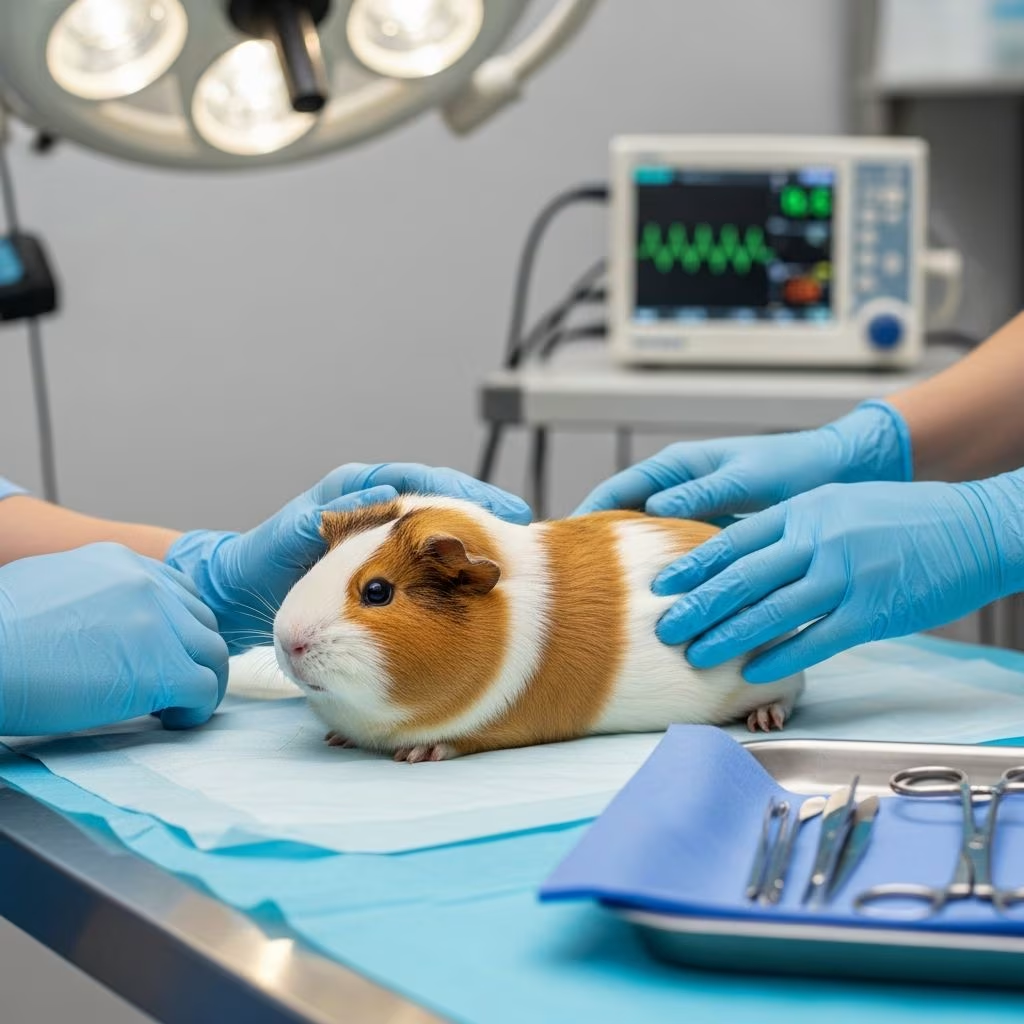
Is Spaying Guinea Pigs Safe? Risks and Benefits Explained
Spaying your guinea pig is an important health decision that requires careful consideration of both the benefits and risks involved. Unlike routine spaying procedures in cats and dogs, guinea pig spaying is a more specialized surgical procedure that demands expertise from an exotic animal veterinarian. Understanding what spaying entails, why it matters, and how to prepare for it will help you make an informed decision about your pet’s health and well-being.
What Is Spaying?
Spaying, or ovariohysterectomy (OVH), is a surgical procedure that removes a female guinea pig’s ovaries and uterus. This permanent form of birth control prevents pregnancy and eliminates the hormonal cycles that affect female guinea pigs’ behavior and health. The procedure is performed under general anesthesia by an exotic animal veterinarian through a single incision in the abdomen.
The surgery typically takes 30 to 60 minutes, depending on the individual guinea pig and the veterinarian’s experience. After the procedure, your guinea pig will need several weeks of careful post-operative care and monitoring to ensure proper healing and recovery.
Health Benefits of Spaying
Spaying provides significant health benefits that can extend your guinea pig’s lifespan and improve her quality of life. Understanding these advantages can help you appreciate why many exotic veterinarians recommend this procedure.
Prevention of Reproductive Diseases
Female guinea pigs are at exceptionally high risk for serious reproductive diseases as they age. One of the most common conditions is ovarian cysts, which can grow to significant sizes and cause considerable pain and illness. These cysts can lead to life-threatening complications if left untreated. Spaying completely eliminates the risk of ovarian cyst development since the ovaries are surgically removed.
Uterine cancer is another serious concern for unspayed female guinea pigs. Research shows that up to 60% of certain guinea pig breeds will develop uterine cancer by middle age if they remain unspayed. This condition is particularly dangerous because it often goes undetected until it reaches advanced stages. Spaying eliminates this risk entirely.
Elimination of Uterine Infections
Pyometra, a life-threatening infection of the uterus, poses a significant health risk to intact females. This condition causes the uterus to fill with pus and can result in rapid deterioration of your guinea pig’s health. If visible signs like bloody discharge appear around the vulva or in the urine, emergency veterinary care is required, as this condition can be fatal within hours to days. Spaying prevents pyometra from ever developing.
Reduction of Mammary Tumors
Female guinea pigs are prone to developing mammary gland tumors as they age. Spaying significantly reduces the incidence and risk of these tumors by eliminating the hormonal stimulation that promotes their growth. Early spaying provides the greatest protection against mammary disease.
Prevention of Pregnancy Complications
For female guinea pigs older than 8 months, pregnancy presents extreme dangers. As guinea pigs age, their pubic symphysis hardens, making natural childbirth difficult or impossible. This can lead to dystocia, a condition requiring emergency cesarean section with high mortality rates. Spaying eliminates these risks entirely.
Additionally, young or poorly nourished guinea pigs are at risk for pregnancy toxemia (ketosis), a metabolic emergency with poor prognosis for recovery. This serious condition occurs when nutritional demands of pregnancy overwhelm the mother’s metabolic capacity. Spaying prevents this life-threatening complication.
Surgical Risks and Considerations
While spaying offers substantial health benefits, it is important to understand that all surgery carries inherent risks, particularly for small animals like guinea pigs.
Anesthesia Concerns
Guinea pigs are small and particularly sensitive to anesthesia, making the surgical procedure riskier than comparable procedures in larger pets. Complications can include breathing difficulties, irregular heart rate, and adverse reactions to anesthetic agents. Working with an exotic animal veterinarian experienced in guinea pig anesthesia significantly reduces these risks. Your veterinarian will perform pre-operative bloodwork and physical examination to assess your guinea pig’s health status before anesthesia.
Surgical Complications
Potential surgical complications include excessive bleeding, infection at the surgical site, and incomplete healing. However, when performed by experienced exotic veterinarians using proper surgical techniques, these complications are relatively uncommon. The incision site must be kept clean and dry during the healing period to prevent infection.
Post-Operative Challenges
Guinea pigs have delicate digestive systems that can be significantly affected by surgical stress. Many guinea pigs experience appetite loss following surgery, which requires careful monitoring and sometimes syringe feeding to ensure adequate nutrition during recovery. Loss of appetite during recovery can lead to serious secondary complications if not addressed promptly.
Timing and Age Considerations
The age at which you spay your guinea pig is crucial for balancing surgical success and maximizing health benefits.
Recommended Age for Spaying
Most veterinarians recommend spaying female guinea pigs between 6 to 12 months of age. This timing allows for lower general anesthetic risks and better post-operative healing compared to spaying older animals. Additionally, spaying at this age prevents pregnancy-related complications and reduces the development of age-related reproductive diseases.
Considerations for Older Guinea Pigs
Spaying older guinea pigs carries increased anesthetic and post-operative risks, though the procedure can still be performed. Your veterinarian will assess your mature guinea pig’s overall health and may recommend bloodwork and additional pre-operative evaluation. The benefits of preventing serious reproductive diseases must be weighed against increased surgical risks in older animals.
Post-Operative Care and Recovery
Proper post-operative care is essential for successful recovery and preventing complications.
Immediate Post-Operative Period
During the first 24 to 48 hours after surgery, your guinea pig should be housed in a quiet, comfortable area with limited activity. Pain management medications prescribed by your veterinarian should be administered as directed. Monitor your guinea pig closely for signs of distress, excessive bleeding, or difficulty breathing.
Incision Care
The surgical incision requires daily inspection for signs of infection, excessive swelling, or opening. Keep the area clean and ensure your guinea pig does not lick or chew at the incision. Some veterinarians use absorbable sutures that do not require removal, while others may need suture removal at a follow-up appointment approximately 10 to 14 days post-operation.
Diet and Appetite Management
Offering your guinea pig’s favorite fresh vegetables and hay immediately after surgery may encourage eating. If your guinea pig refuses to eat, syringe feeding with critical care formula may be necessary. Return to normal diet gradually as appetite improves. Maintaining hydration is equally important during recovery.
Activity Restriction
Limit your guinea pig’s activity for the first two weeks following surgery to prevent incision complications. Avoid handling except when necessary, and prevent jumping or running until your veterinarian clears your pet for normal activity.
Cost Considerations
Spaying fees vary depending on geographic location, veterinary practice, and your guinea pig’s individual health status. Because the procedure must be performed by an experienced exotic veterinarian, costs are typically higher than traditional spaying procedures for dogs and cats. Additional expenses include pre-operative bloodwork, pain management medications, post-operative antibiotics if needed, and potential follow-up care for any complications. Despite the cost, many pet owners consider spaying a worthwhile investment in their guinea pig’s long-term health and longevity.
Alternatives to Spaying
If spaying concerns you or is not feasible for your situation, several alternatives exist for managing reproduction and housing guinea pigs.
Separate Housing by Gender
Keeping male and female guinea pigs in separate enclosures eliminates the risk of unwanted pregnancies. This approach requires adequate space and may limit social interaction between genders. However, it remains one of the safest alternatives when spaying is not an option.
Neutering Males Instead
Neutering male guinea pigs is a simpler, less invasive procedure than spaying females and poses lower surgical risks. If you want mixed-gender groups without pregnancy risks, neutering only the male allows females and males to cohabitate safely. Neutered males can live peacefully with female guinea pigs without contributing to overpopulation.
Same-Sex Pairings
Pairing female guinea pigs with other females, or males with other neutered males, eliminates breeding concerns entirely. Proper introduction techniques and compatible personalities are essential for successful same-sex housing.
Frequently Asked Questions
Q: At what age should I spay my female guinea pig?
A: Veterinarians typically recommend spaying between 6 to 12 months of age to maximize health benefits while minimizing anesthetic risks and ensuring optimal healing.
Q: Is spaying a guinea pig more dangerous than spaying a cat or dog?
A: Yes, spaying is generally riskier in guinea pigs due to their small size and sensitivity to anesthesia. However, an experienced exotic veterinarian can perform the procedure safely with appropriate precautions.
Q: How long is the recovery period after spaying?
A: Most guinea pigs recover within 2 to 3 weeks, though full healing of the incision may take 4 to 6 weeks. Activity restriction should continue until your veterinarian provides clearance.
Q: What are signs of post-operative complications I should watch for?
A: Monitor for excessive bleeding, incision swelling or discharge, signs of infection, refusal to eat, difficulty breathing, or lethargy. Contact your veterinarian immediately if you notice any concerning symptoms.
Q: Can I spay an older guinea pig?
A: Yes, but spaying carries increased risks in older guinea pigs. Your veterinarian will evaluate your pet’s overall health and may recommend pre-operative bloodwork to assess surgical candidacy.
Q: Is neutering a male guinea pig safer than spaying a female?
A: Yes, neutering males is generally a simpler procedure with lower surgical and post-operative risks compared to spaying females, making it an excellent alternative for mixed-gender groups.
Making the Decision
Deciding whether to spay your guinea pig is a personal choice that should involve consultation with your exotic animal veterinarian. Consider your guinea pig’s age, overall health status, your ability to provide post-operative care, and your long-term goals for your pet. For many guinea pig owners, the significant health benefits of spaying—particularly the prevention of life-threatening reproductive diseases—outweigh the surgical risks when performed by a qualified exotic veterinarian. Discuss all options, including alternatives like neutering males or separate housing, with your veterinary professional to determine the best choice for your individual guinea pig’s needs and your household circumstances.
References
- To Spay or Not to Spay Your Rabbit, Guinea Pig, or Rat — Lake Olympia Animal Hospital. 2024. https://lakeolympiaanimal.com/to-spay-or-not-to-spay-your-rabbit-guinea-pig-or-rat/
- Benefits of Female Guinea Pigs Sterilisation (Spay) — Vet Central Singapore. 2024. https://vetcentral.com.sg/blogs/news/benefits-of-female-guinea-pigs-sterilisation-spay
- Neutering and Spaying Guinea Pigs: The Risks and Benefits — Little Kingdom. March 22, 2025. https://www.youtube.com/watch?v=RqxfCvNsREw
- Important Reasons to Spay or Neuter Rabbits & Guinea Pigs — MedVet. 2024. https://www.medvet.com/spaying-neutering-rabbits-guinea-pigs/
- Spay & Neuter — Auckland Cavy Care. 2024. https://www.aucklandcavycare.org.nz/spay-and-neuter/
- Neutering Guinea Pig — Guinea Pigs Australia. 2024. https://guineapigsaustralia.com.au/blogs/news/all-you-need-to-know-about-neutering-guinea-pigs
- Why Spay or Neuter? A Smarter Choice for Your Rabbit, Guinea Pig — Bird & Exotics Veterinary. 2024. https://www.birdexoticsvet.com/post/spay-neuter-exotic-pets



