

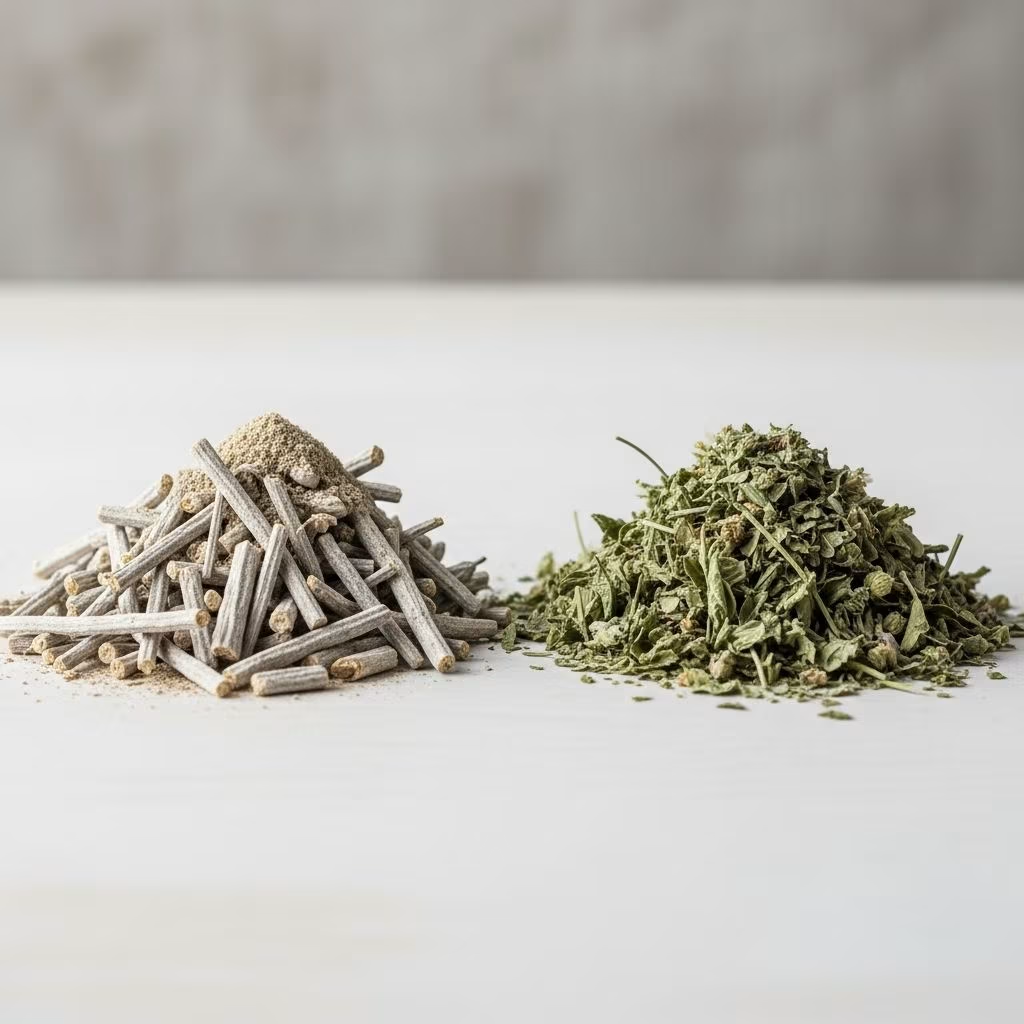
Silvervine and catnip are popular natural stimulants that elicit euphoric responses in cats, but silvervine often provides a stronger, longer-lasting effect, making it a superior choice for many felines, especially those unresponsive to catnip.
What Is Silvervine?
Silvervine, scientifically known as Actinidia polygama, is a deciduous climbing plant native to the mountainous regions of Asia, including Japan and China. Unlike the more familiar catnip, silvervine has been used for centuries in Eastern cultures as a feline stimulant. It features distinctive green and white variegated leaves and can grow impressively tall, reaching 12 to 20 feet in height with a spread of 8 to 10 feet.
The plant produces small, kiwi-like fruits on female vines, which are edible for humans but primarily valued for cats due to its stems, leaves, and fruit powder containing potent active compounds. These compounds trigger intense playful behaviors in cats, such as rolling, rubbing, licking, drooling, and vocalizing.
Silvervine is available in various forms, including powdered leaves, sticks, sprays, and toys, offering versatility for cat owners. Its rising popularity in Western countries stems from its effectiveness on cats that ignore catnip.
What Is Catnip?
Catnip (Nepeta cataria) is a perennial herb from the mint family, native to Europe and parts of Asia, now widely grown worldwide. It grows to a modest 2 to 3 feet tall and wide, with grayish-green leaves.
The key active compound in catnip is nepetalactone, an essential oil that stimulates about 68-75% of cats upon sniffing. Cats respond with bursts of energy, rolling, batting, and chasing, lasting 10-15 minutes before temporary immunity sets in.
Catnip comes in dried leaves, sprays, toys, and fresh plants, making it affordable and accessible. However, genetic factors mean 30-50% of cats lack sensitivity to it.
How Does Silvervine Affect Cats?
Silvervine binds to olfactory receptors in a cat’s nose, mimicking pheromones and triggering euphoria via compounds like actinidine, nepetalactol, and dihydroactinidiolide. Cats exhibit heightened playfulness, longer sessions of rolling and rubbing compared to catnip, often followed by relaxation or sleep.
A 2017 study found nearly 80% of cats respond to silvervine, with 75% of catnip-nonresponders reacting positively. Effects last longer—up to 30 minutes or more—and cats rarely develop tolerance as quickly.
Kittens under 8 months and pregnant females may show reduced or no response, similar to catnip.
How Does Catnip Affect Cats?
Catnip’s nepetalactone activates similar neural pathways, causing short bursts of hyperactivity, purring, and playful aggression. The response fades after 10-15 minutes due to olfactory fatigue, requiring a break of hours or days for renewal.
Not all cats react; sensitivity is hereditary and appears around 6-8 weeks of age. It’s safe, non-addictive, and doesn’t cause lasting high.
Silvervine vs. Catnip: Key Differences
Silvervine and catnip both delight cats but differ in potency, duration, and appeal. Here’s a comparison:
| Aspect | Silvervine | Catnip |
|---|---|---|
| Plant Size | 12-20 ft tall, climbing vine | 2-3 ft tall, bushy herb |
| Leaves | Green and white variegated | Grayish-green, heart-shaped |
| Fruit | Small, orange kiwi-like (females only) | None |
| Active Compounds | Actinidine, nepetalactol, dihydroactinidiolide | Nepetalactone |
| Response Rate | ~80% of cats | 68-75% of cats |
| Effect Duration | Longer (20-30+ min) | 10-15 min |
| Non-Responders | Works on many catnip non-responders | 30-50% unaffected |
Silvervine’s multiple compounds create a more intense, sustained reaction, while catnip offers quick, familiar fun.
Benefits of Silvervine for Cats
- Enrichment and Play: Promotes exercise, reducing boredom and obesity risks through extended play sessions.
- Stress Relief: Calms anxious cats during travel, vet visits, or home changes by inducing relaxation post-euphoria.
- Dental Health: Chew sticks clean teeth, reduce plaque, and massage gums.
- Broad Appeal: Effective for catnip-resistant cats, ideal for multi-cat homes.
- Safe and Natural: Non-toxic, no addiction; supports mental stimulation.
Benefits of Catnip for Cats
- Quick Stimulation: Ideal for short play bursts to burn energy.
- Affordability: Widely available and inexpensive.
- Training Aid: Encourages use of toys or scratching posts.
- Safe Fun: Harmless for most cats, enhancing welfare.
Potential Downsides and Safety
Both are safe when used moderately; overexposure may cause mild digestive upset if ingested excessively. Silvervine powder can be messy, scattering more than catnip. Avoid in kittens under 8 weeks, pregnant cats, or those with health issues—consult a vet.
No toxicity reports from reputable sources; effects are behavioral, not hallucinogenic.
How to Give Silvervine or Catnip to Your Cat
- Sprinkling: Dust on toys or scratchers; refresh weekly.
- Sticks/Pods: Let cats chew; replace when frayed.
- Toys: Infused mice or balls for batting.
- Frequency: 1-2 times weekly to prevent tolerance.
Observe your cat’s response and rotate to maintain interest.
Which Is Better: Silvervine or Catnip?
Silvervine edges out as better for most cats due to higher response rates (80% vs. 68%), longer effects, and dental benefits, especially for catnip non-responders. Catnip suits budget-conscious owners with responsive cats for quick sessions.
Test both: factors like age, genetics, and preference matter. Many cats enjoy variety.
Frequently Asked Questions (FAQs)
What percentage of cats respond to silvervine?
Approximately 80% of cats respond to silvervine, higher than catnip’s 68-75%.
Do all cats react to catnip or silvervine?
No, 30-50% lack catnip sensitivity due to genetics, but many respond to silvervine.
Is silvervine safe for kittens?
Kittens under 8 months may not react or have milder responses; safe but monitor.
Can cats overdose on silvervine or catnip?
No overdose risk; effects are temporary and non-addictive.
How long do effects last?
Silvervine: 20-30+ minutes; catnip: 10-15 minutes.
Final Thoughts
Whether silvervine or catnip, both enrich your cat’s life. Silvervine’s potency and versatility often make it the winner, but trial determines the best fit for your feline.
References
- Silvervine vs Catnip: Which Is Better for Your Cat? — SmarterPaw. 2023. https://smarterpaw.com/blogs/news/silvervine-vs-catnip-which-is-better-for-your-cat
- Silver Vine vs. Catnip: What Are the Differences? — A-Z Animals. 2023. https://a-z-animals.com/blog/silvervine-vs-catnip/
- Catnip vs Silvervine: Which Hit My Cat The Hardest — YouTube (PetMD insights referenced). 2023. https://www.youtube.com/watch?v=HNw70Denhqc
- Silvervine Plant: An Alternative to Catnip — PetMD. 2023-10-15. https://www.petmd.com/cat/general-health/silver-vine-plant-alternative-catnip
- Catnip, Silvervine or Valerian Root – What’s The Difference? — Meowy Janes. 2023. https://meowyjanes.com/catnip-silvervine-or-valerian-root-whats-the-difference/



