

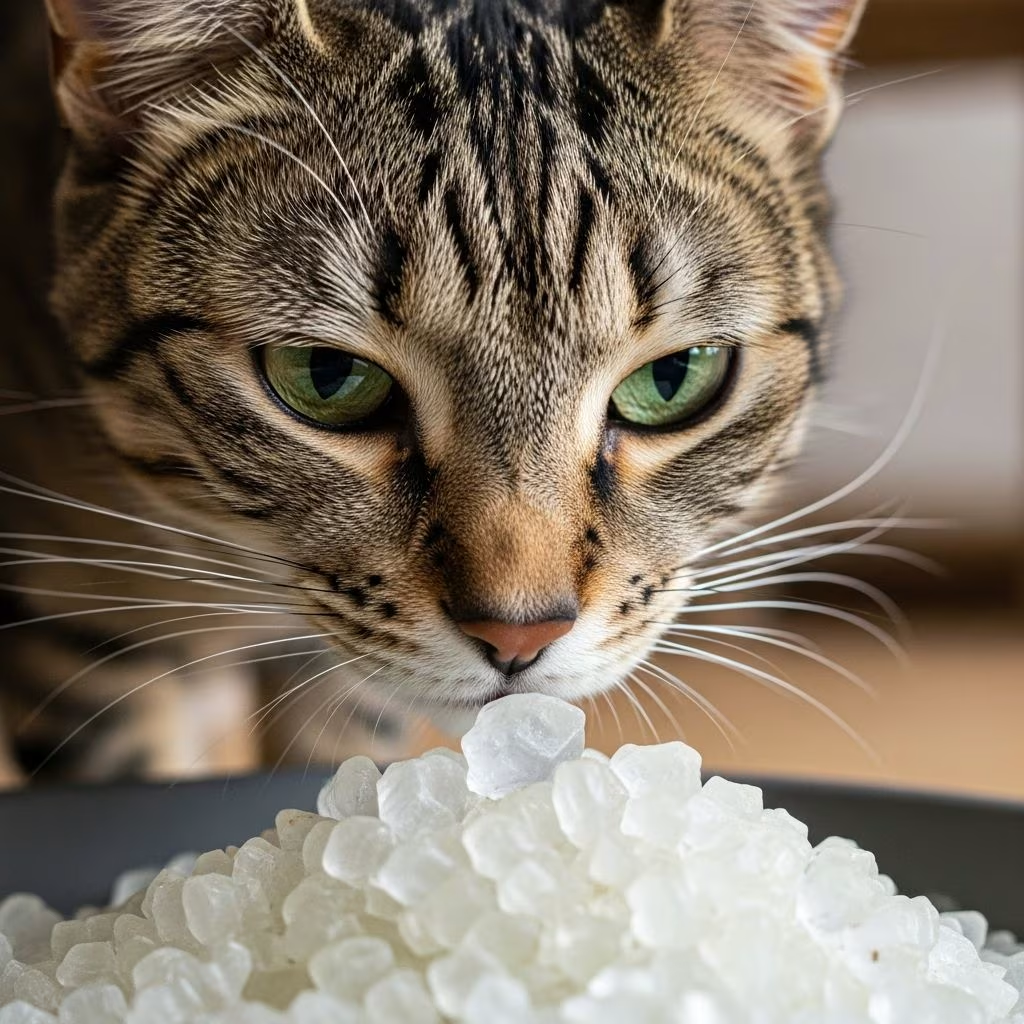
Silica cat litter, often marketed as crystal litter, has gained popularity among cat owners for its superior absorbency and odor control. But concerns about safety, particularly regarding silica dust and ingestion risks, prompt many to ask: Is silica cat litter safe for cats? The answer hinges on the type of silica used—amorphous silica gel, found in most crystal litters, is generally considered non-toxic and safe when used as directed, unlike the hazardous crystalline silica in some clay litters.
This article dives deep into the science, pros, cons, and practical advice to help you decide if silica litter suits your cat. We’ll cover what silica litter is, its safety profile, benefits and drawbacks, comparisons to other litters, and FAQs based on veterinary insights and pet health research.
What Is Silica Cat Litter?
Silica cat litter is made from silicon dioxide (SiO2), a naturally occurring compound derived from quartz sand. It’s processed into porous crystals or beads known as silica gel, which excel at absorbing moisture—up to 40 times their weight in some cases. Unlike traditional clay litters, silica litter doesn’t clump; instead, it traps urine within its structure, turning from clear to yellow or green as it saturates.
There are two critical forms of silica:
- Amorphous silica: Non-crystalline, porous form used in cat litters like PrettyLitter and crystal brands. It’s chemically stable, non-toxic, and safe for ingestion in small amounts.
- Crystalline silica: Found in some industrial dusts and low-quality clay litters. This form is hazardous, potentially causing silicosis—a lung disease from prolonged inhalation.
Reputable silica litters use only amorphous silica, confirmed safe by pet product standards and lacking the sharp, respirable particles of crystalline forms.
Is Silica Cat Litter Safe for Cats?
Yes, amorphous silica gel cat litter is safe for most healthy adult cats. Multiple sources affirm its non-toxicity: it doesn’t contain carcinogens, and accidental ingestion typically causes only mild GI upset like vomiting or diarrhea, not severe harm. The FDA recognizes silica gel as generally safe for desiccants in food packaging, underscoring its low risk profile.
Key safety factors:
- Low dust: Crystal litters produce 99% less dust than clay, reducing respiratory irritation for cats and owners with allergies or asthma.
- Non-expanding: Unlike clay litters with sodium bentonite that can swell in the gut, silica crystals don’t expand, minimizing obstruction risks.
- Ingestion tolerance: Cats may nibble crystals while grooming paws, but amorphous silica passes through the digestive system harmlessly in small quantities.
However, safety isn’t absolute. Kittens under 4 months, pregnant cats, or those with pre-existing conditions should avoid it due to higher ingestion risks. Always check labels for ‘amorphous silica gel’ and avoid products with crystalline silica.
Pros and Cons of Silica Cat Litter
Silica litter offers unique advantages but isn’t perfect for every household. Here’s a balanced breakdown:
| Pros | Cons |
|---|---|
| Superior Absorbency: Absorbs urine instantly, holding up to 500% its weight, keeping boxes drier longer. | Potential GI Upset: Ingestion can cause vomiting/diarrhea; not ideal for curious kittens. |
| Odor Control: Traps smells in pores, preventing ammonia release—lasts 2-4 weeks per fill. | Not Biodegradable: Inorganic; goes to landfills, less eco-friendly than pine or corn litters. |
| Low Dust & Lightweight: Easier on lungs, 50% lighter than clay for carrying. | Texture Issues: Hard crystals may deter paw-sensitive cats; tracking possible. |
| Easy Maintenance: Scoop solids only; stir daily to redistribute saturated crystals—no full changes for a month. | Higher Cost: Premium pricing, though longevity offsets for multi-cat homes. |
| Mold-Resistant: Inorganic nature prevents bacterial growth. | Not Flushable: Must trash; clogs plumbing. |
Silica Cat Litter vs. Other Types
How does silica stack up? Consider these comparisons:
- Vs. Clay (Clumping): Silica wins on dust (less respiratory risk), odor (better trapping), but clay clumps for easier scooping. Clay’s crystalline silica poses inhalation dangers.
- Vs. Pine/Wood: Pine is biodegradable and natural-smelling but less absorbent, requiring more frequent changes. Silica excels in low-maintenance.
- Vs. Corn/Wheat: Plant-based are flushable and eco-friendly but can mold and attract bugs. Silica is superior for odor in humid climates.
For multi-cat homes or odor-prone setups, silica shines. Texture-sensitive cats may prefer softer clay or paper alternatives.
Health Risks and Precautions
While safe overall, precautions mitigate minor risks:
- Respiratory: Minimal dust accumulation; safe for asthmatics vs. clay.
- Ingestion: Monitor kittens/seniors; provide alternatives if chewing occurs.
- Skin/Paw Irritation: Rare; rinse paws if needed. Larger crystals reduce tracking but may feel abrasive.
- Transition Tips: Mix with old litter gradually over 7-10 days to avoid box avoidance.
Vets recommend silica for low-dust needs but advise against for very young or ill cats.
How to Choose the Right Silica Litter
Select based on cat’s age, health, and preferences:
- Opt for 99% dust-free, amorphous silica-only brands like PrettyLitter.
- Grain size: Small for comfort, large for less tracking.
- Test small bags; observe usage.
- Multi-cat? Scented variants for extra odor control.
Pair with deep litter boxes (4-6 inches) and daily stirring/scooping routines.
Frequently Asked Questions (FAQs)
Is silica cat litter safe to breathe?
Yes, amorphous silica gel produces minimal, non-hazardous dust—safer than clay’s crystalline silica. Ideal for allergy sufferers.
Can cats get sick from eating silica litter?
Small amounts cause mild GI upset; severe issues rare. Not for kittens prone to ingestion.
Is crystal litter safe for kittens?
No, recommend non-clumping alternatives under 4 months due to chewing risks.
How often to change silica cat litter?
Scoop daily, full change every 2-4 weeks depending on cat count.
Does silica litter track less?
Low tracking with larger crystals, but stir to prevent scattering.
Conclusion: Safe with Smart Choices
Silica cat litter offers compelling benefits for odor control and ease, backed by its safe amorphous composition. Weigh pros against your cat’s needs and environmental priorities for the best fit.
References
- Is Silica Cat Litter Safe? — Dutch. 2024. https://www.dutch.com/blogs/cats/silica-cat-litter
- Is Silica Safe to Use in Cat Litter? — PrettyLitter. 2024. https://www.prettylitter.com/blog/is-silica-safe
- Is Crystal Litter Safe for Cats? Toxicity & Risks Explained — Lady N Pet. 2024. https://ladynpet.com/us/blog/crystal-cat-litter/
- Pros & Cons of Crystal (Silica) Cat Litter — Tuft & Paw. 2024. https://www.tuftandpaw.com/blogs/cat-guides/pros-cons-crystal-silica-cat-litter
- Crystal Cat Litter Isn’t Toxic — Boxiecat. 2024. https://boxiecat.com/blogs/litter-learning-center/crystal-cat-litter-isn-t-toxic
- Is Crystal Cat Litter Safe? — PrettyLitter. 2024. https://www.prettylitter.com/blog/cat-litter-crystals-the-facts



