

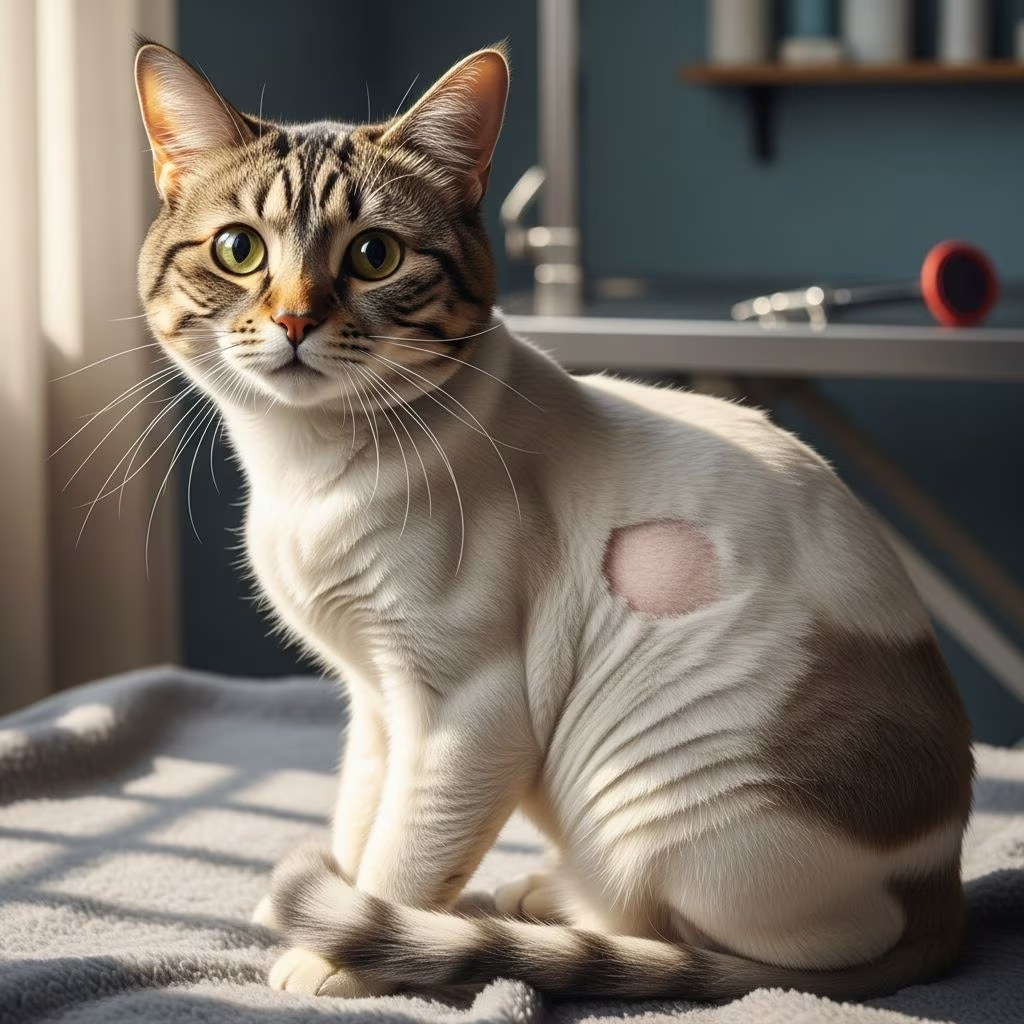
Shaving a cat is often considered a quick fix for matted fur or overheating, but it carries significant risks to their skin, coat regulation, and stress levels. While not always outright dangerous, it’s rarely the best option and should only be done by professionals under specific circumstances.
Understanding Feline Coat Anatomy
A cat’s coat serves critical functions beyond aesthetics. The double-layered fur—consisting of a dense undercoat and longer guard hairs—insulates against heat and cold, protects sensitive skin, and distributes natural oils for waterproofing. Removing this layer disrupts thermoregulation, as cats rely on evaporation from their paws, ears, and minimal panting rather than fur shedding for cooling.
- Undercoat role: Traps air for insulation, preventing overheating in summer.
- Guard hairs: Shield from UV rays and debris.
- Oil distribution: Self-grooming spreads sebaceous oils; shaving halts this process.
Disrupting these layers can lead to sunburn, skin infections, and uneven regrowth, where fur may grow back patchy or excessively thick.
When Might Shaving Become Necessary?
Shaving is typically reserved for severe cases like advanced matting from obesity, arthritis, or long-haired breeds such as Persians. Mats pull on skin, causing pain and ulcers if untreated. In medical scenarios, veterinarians may recommend a ‘lion cut’—shaving the body while leaving fur on the head, legs, and tail—to access wounds or reduce post-surgical stress.
| Condition | Shaving Indication | Risks if Untreated |
|---|---|---|
| Severe Matting | High | Skin ulcers, infections |
| Post-Surgery | Moderate | Healing delays |
| Overheating | Low | Myth—fur insulates |
| Regular Grooming | Avoid | Stress escalation |
Professionals assess temperament first; aggressive cats hate clippers, amplifying risks.
Risks and Downsides of Shaving Cats
Beyond physical harm, shaving induces psychological stress. Cats feel vulnerable without their coat, leading to hiding, aggression, or excessive grooming that worsens skin issues. Regrowth takes 4-6 months and can be itchier due to disrupted follicles.
- Skin vulnerability: Exposure to sun causes burns; insects target bare areas.
- Temperature imbalance: Loses cooling insulation, contrary to popular belief.
- Infection risk: Clippers can nick skin if not sanitized.
- Regrowth problems: Patchy fur, ingrown hairs.
Studies from veterinary sources emphasize that improper clipping contributes to most grooming injuries in felines.
Professional Grooming Safety Protocols
Certified groomers follow strict guidelines to minimize harm. Sessions last under 60 minutes to avoid stress spikes, using quiet clippers and forced-air drying for 100% dryness to prevent fungal growth.
- Pre-groom assessment: Check for acne, stud tail, fleas.
- No neck restraints: Avoid nooses; use positioning techniques.
- Tool selection: Clippers over shears to prevent cuts.
- PPE for handlers: Bite gloves, space muzzles for safety.
Clean environments are vital—disinfect tables to avoid paw absorption of toxins.
Safer Alternatives to Full Shaving
Most matting responds to non-invasive methods. Regular brushing with slicker or de-shedding tools removes loose fur, preventing 80% of issues proactively.
- Deshedding shampoos: Degrease without conditioners, which cause re-matting.
- Clipper dematting: Target mats only, sparing healthy fur.
- Professional brushing: High-velocity dryers blow out undercoat.
- Claw trims: Reduce scratches during home sessions.
For summer, provide cool environments over shaving—fans, shaved ice mats work better.
Home Grooming Tips for Cat Owners
Start young with positive reinforcement. Use cat-specific tools and limit sessions to 10-15 minutes.
| Tool | Purpose | Frequency |
|---|---|---|
| Slicker brush | Daily detangling | 5-7x/week |
| Nail clippers | Safety trimming | Every 2 weeks |
| Comb | Undercoat removal | 3-4x/week |
| Quiet clippers | Spot dematting | As needed |
Avoid baths unless medically advised; cats self-clean effectively. Trim claws first to protect yourself.
Recognizing When to Seek Professional Help
Signs include urine clumps in fur, painful skin, or refusal to be touched. Vets rule out allergies or hyperthyroidism causing overgrowth. Long-haired breeds need bi-monthly pro visits.
- Mats larger than quarters.
- Fleas or acne present.
- Cat overweight, can’t groom self.
Common Myths About Cat Shaving Debunked
Myth 1: Shaving cools cats in heat. Fact: Fur insulates; shave risks sunburn.
Myth 2: All matted cats need shaving. Fact: Brushing suffices for most.
Myth 3: Home shaving is easy. Fact: Pros prevent 90% of injuries.
FAQ
Can I shave my cat at home?
Not recommended unless experienced; risks cuts and stress. Opt for pros.
How long does cat fur take to grow back after shaving?
4-6 months, varying by breed and age.
Is a lion cut safe for cats?
Yes, when done professionally for medical needs.
Why does my cat’s fur mat so easily?
Diet, age, or health issues; consult vet.
What if my cat hates grooming?
Use treats, short sessions; sedation only via vet.
Long-Term Coat Health Strategies
Feed omega-rich diets for shiny fur. Annual vet checks catch issues early. Breeds like Maine Coons need tailored plans—dematting rakes over clippers.
Consistent routines build trust; cats sensing confidence groom better. Track progress with photos to adjust techniques.
References
- 5 Cat Grooming Do’s and Don’ts That Prevent Injuries — National Cat Groomers Institute. 2023-01-15. https://nationalcatgroomers.com/blogs/cat-grooming-training/cat-grooming-dos-and-donts
- Cat Grooming Safety in Pet Salons — Retro Stylist Wear. 2024-05-20. https://retrostylistwear.com/blogs/news/cat-grooming-safety-in-pet-salons
- Summer Grooming and Coat Care Safety Tips for Cats — VCA Animal Hospitals. 2023-06-10. https://vcahospitals.com/resources/conditions-cat/skin-coat/summer-grooming-and-coat-care-safety-tips-for-cats
- Cat Grooming Tips — ASPCA. 2024-02-28. https://www.aspca.org/pet-care/cat-care/cat-grooming-tips
- Feline Bathing Tips — Frank Rowe & Son. 2023-11-05. https://www.frankroweandson.com/blog/feline-bathing-tips/



